Projects
Ending violence. Advancing rights. Empowering women to lead change.
The Women’s Rights and Gender Equity Programme of AAB works to challenge patriarchy, eliminate gender-based violence and child marriage, and advance the rights of women and girls across Bangladesh. Recognising the persistent discrimination, violence, and economic exclusion faced by women—despite existing legal frameworks—the programme supports transformative actions that promote safety, dignity, and equal opportunities.
Through a rights-based and feminist approach, the programme strengthens women’s socio-economic, cultural, and climate justice, promotes gender-responsive and inclusive public services, and supports women’s leadership at household, community, and national levels. It prioritises combating harmful practices, empowering women economically, addressing unpaid care work, and creating safer cities, communities, and workplaces.
By working with communities, institutions, and movements, ActionAid Bangladesh aims to build a more just, equitable, and violence-free society where women and girls can realise their full potential.
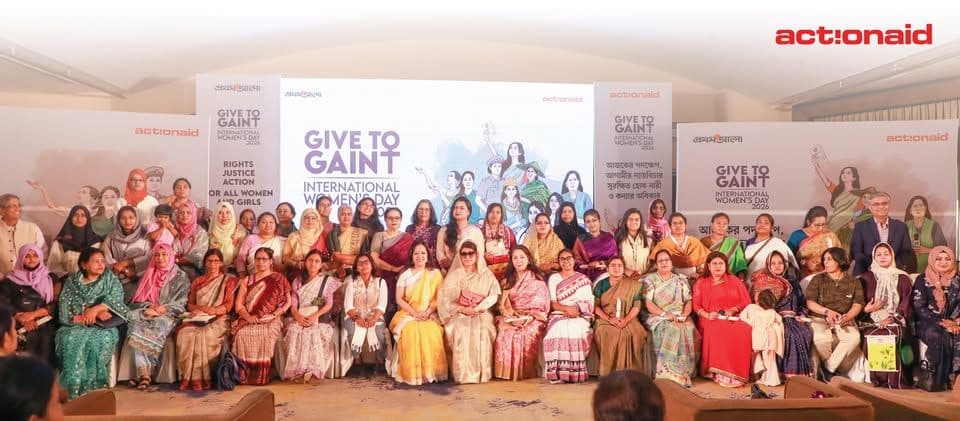
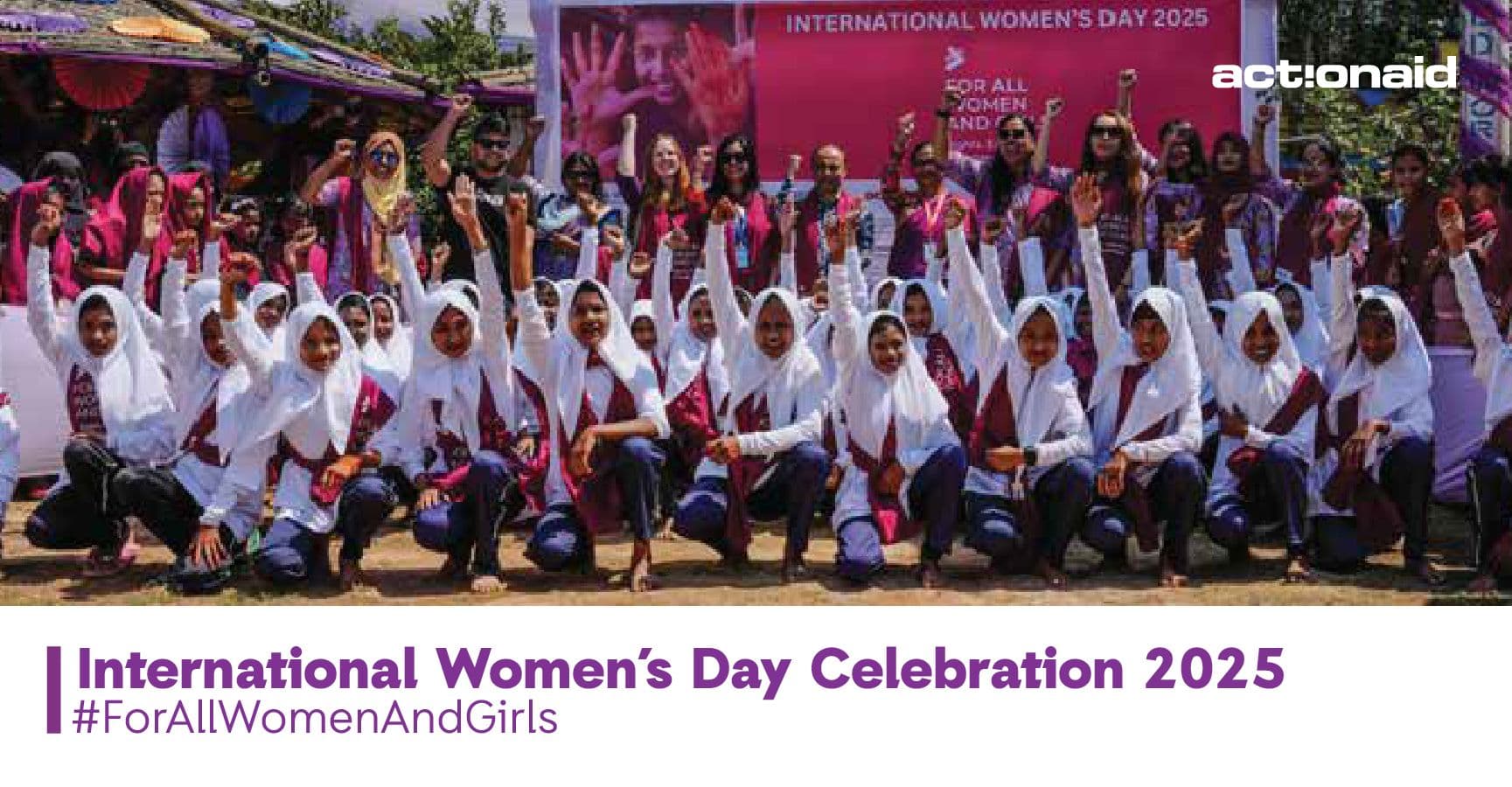
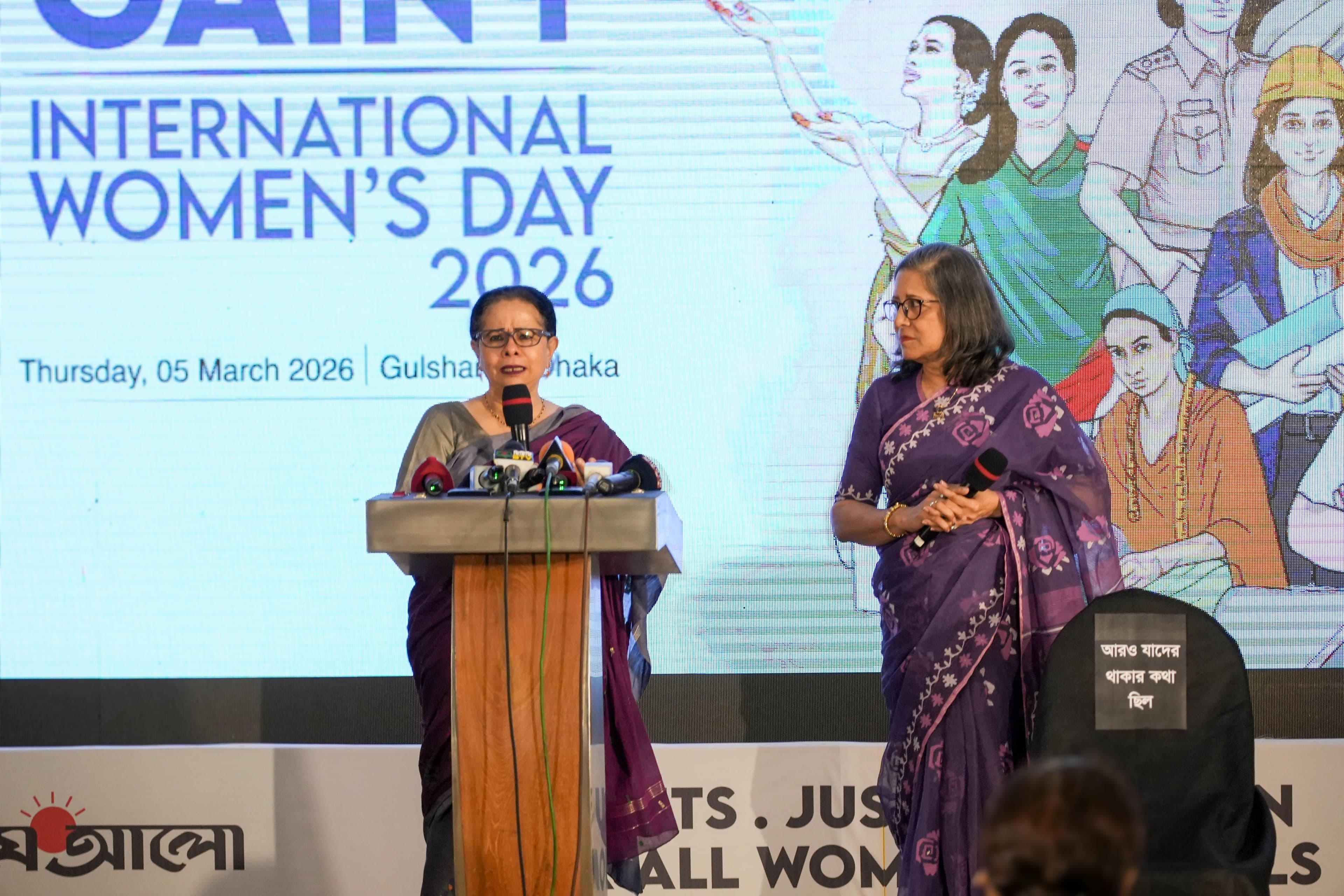
International Women’s Day 2026 is observed under the global theme “Give to Gain,” highlighting the transformative power of reciprocity, solidarity, and collective support in advancing women’s rights and leadership. The theme underscores that investing in women’s empowerment through recognition, inclusion, and shared responsibility strengthens societies and fosters a more just and interconnected world. In this context, and following the 13th National Parliament Election of Bangladesh, ActionAid Bangladesh (AAB) plans to celebrate International Women’s Day 2026 by centring women’s political participation, representation, and leadership. The celebration will focus on celebrating women who entered politics, understanding the challenges they faced, and capturing the learning from their journeys to inspire future women leaders. Globally and in Bangladesh, women in politics continue to face discrimination, violence, tokenism, and exclusion from decision-making processes. Yet women persist, navigating resistance, developing learning and strategies through experience, and paving the way for other women to follow. International Women’s Day 2026 serves as a critical moment to amplify this collective resilience and determination. No matter how entrenched sexism may be or how discouraging political environments become, women refuse to retreat. Instead, they rise together, claiming their mandate and advocating for the rights and empowerment of all women and girls. Available secondary data from media reports and election analyses suggest that women’s participation as candidates in Bangladesh’s national parliamentary elections has historically remained low, though a gradual increase is visible over time. In the early national elections following independence, the number of female candidates contesting general seats was minimal and not systematically documented. More consistent data become available from the 1990s onwards. During the 5th and 6th National Parliament Elections in the 1990s, the number of female candidates reportedly remained below 40. In the 7th and 8th National Parliament Elections (2001 and 2008), the number showed a modest rise, fluctuating roughly between 40 and 50 candidates. A decline was observed in the 9th National Parliament Election (2014), when fewer than 30 women reportedly contested general seats. The 10th and 11th National Parliament Elections marked a gradual increase again, with approximately 60–70 female candidates in 2018 and close to 90–100 candidates in the subsequent election cycle. For the upcoming 13th National Parliament Election, media reports indicate that around 109 women have filed nomination papers, suggesting a potential increase compared to previous elections. However, even with this increase, women are expected to constitute only around 4-5 percent of the total candidates, highlighting the persistent under-representation of women in Bangladesh’s electoral politics despite numerical growth over time. Against this backdrop, AAB will organise an event to celebrate women who have entered politics, document the challenges they faced and the learning gained from their journeys, and translate these experiences into inspiration and guidance for future women leaders. Objectives The objective of the event is to recognise and celebrate women political leaders and activists who have challenged patriarchy and social stigma, while reinforcing the importance of women’s leadership in fostering inclusive, democratic, and accountable governance. It also seeks to highlight the challenges, learning, and leadership journeys of women who participated in the 13th National Parliament Election and to use their shared experiences to inspire and encourage other women and girls to engage in politics in the future, in line with the “Give to Gain” ethos. Programme Focus The discussion sessions aim to both celebrate women’s participation in electoral politics and critically explore the historical legacy and current state of women’s engagement in political leadership and national policymaking processes. The session will examine the structural, social, and political factors that continue to constrain women’s political empowerment, while also highlighting enabling conditions, strategies, and success stories that have supported women’s political journeys despite persistent gender inequalities. Importantly, the discussions will create a dedicated platform for women candidates to share their lived experiences, challenges, learning, and aspirations, with the objective of inspiring future women leaders and strengthening collective advocacy for inclusive political participation. The event will include the screening of a series of short audio-visual contents that capture the journeys, experiences, and reflections of women engaged in politics and public leadership. Participants Female MP Nominees of the 13th National Parliament Election, government bodies (MOWCA, policymakers, local government representatives), INGOs, development partners, embassies, civil society organizations (CSOs): Women's rights groups, youth organizations, community leaders; media partners (digital platforms, newspapers, influencers), private sectors and community members.
Read More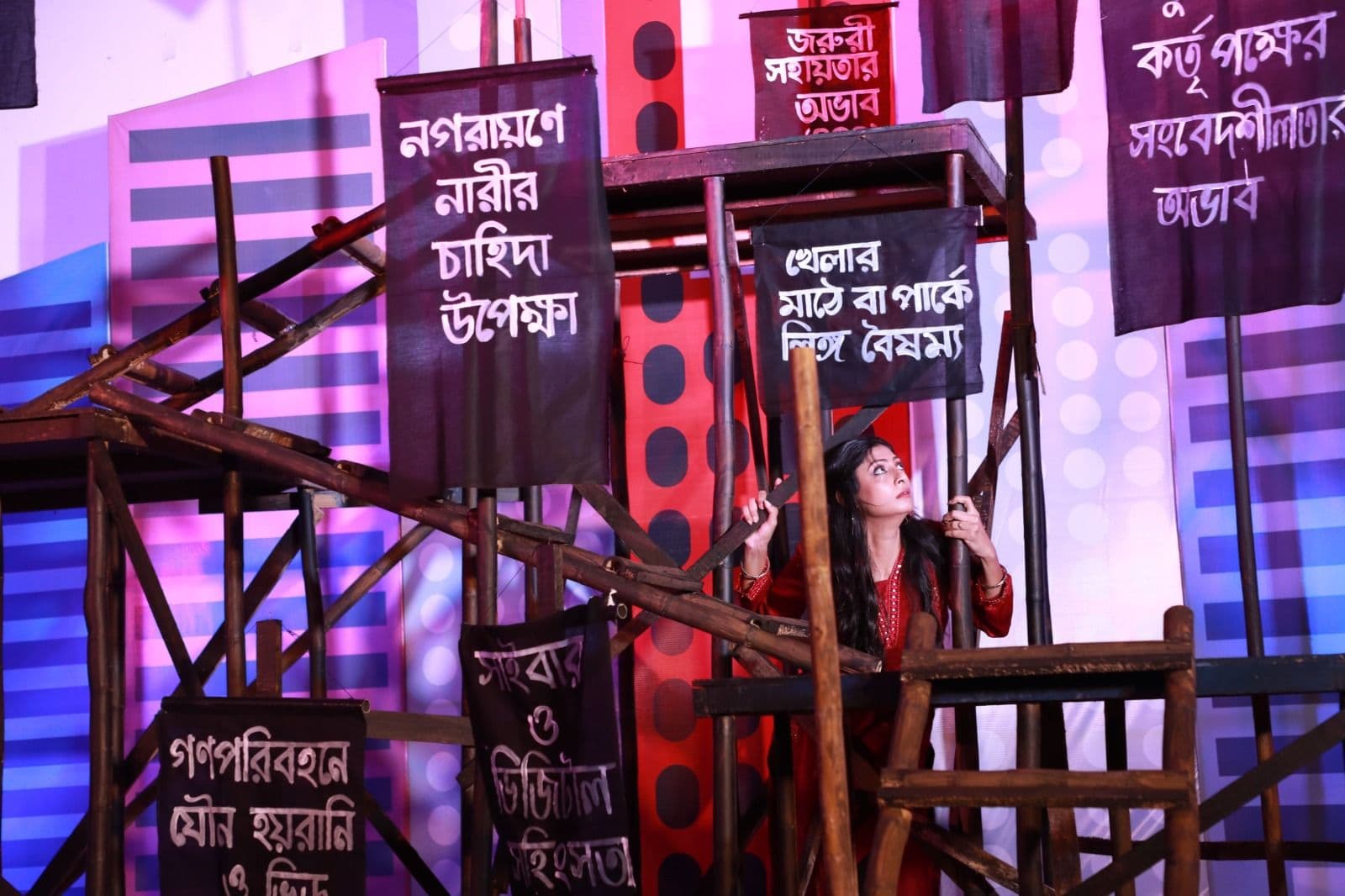
ActionAid Bangladesh has launched its 16 Days of Activism campaign, calling for safer cities for women and girls. As part of the global observance, a day-long programme was organised today, Wednesday, at the Bangladesh Shilpakala Academy in Dhaka under the theme "Safe City, Fearless Women". The programme opened with a live outdoor performance and an installation series entitled "Stories of Courage" in the academy's open courtyard, highlighting women's stories of resilience. This was followed by an indoor theatrical production, "Echoes of Her Life", staged at the Chitrashala Auditorium. The play portrayed real-life experiences of harassment and insecurity faced by women in public transport, public spaces, and service institutions, leaving a strong emotional impact on the audience. Marium Neesa, Lead of the Women's Rights and Gender Equity Team at ActionAid Bangladesh, presented the situation of women's safety in both online and offline spaces in the city. During an interactive discussion between the performances, speakers called for strict enforcement of laws, gender-sensitive urban planning, and improvements in social values to reduce violence against women. They emphasised the need to challenge patriarchal mindsets and integrate awareness into the education curriculum as part of preventive measures. Speakers also reaffirmed commitments to creating women-friendly public spaces and public transport, stressing that swift legal action is essential in responding to complaints of harassment. Referring to findings from ActionAid Bangladesh's Safe City Campaign research, Country Director, Farah Kabir, said: "Our research shows that in 2021 and 2022, online violence against women stood at 63 per cent. As a result, 42 per cent of women reduced their online presence. In addition, 63 per cent of women move outside with fear or anxiety, and 22 per cent face harassment in public transport. These findings prove that women are not fully safe in either online or offline spaces." She added: "Violence continues because of tolerance and lack of accountability," urging all, regardless of gender, to work together against violence. Professor Tania Haque of the University of Dhaka identified cultural violence and its social acceptance as key factors behind rising incidents. She said urban communities must not remain silent witnesses and must raise their voices against harassment. Dr Prakash Kanti Chowdhury, Joint Secretary of the Ministry of Women and Children Affairs, said: "Violence will not decrease unless men and boys are engaged as allies through positive transformation. Government and civil society must prioritise preventive action." S M Shafiqur Rahman, Chief Urban Planner of Dhaka North City Corporation, reaffirmed the commitment to gender-sensitive planning to ensure women's safety in urban design. Deputy Police Commissioner of Dhaka Metropolitan Police, Mosammat Farhana Yasmin, urged citizens to report incidents promptly, saying long-term state-level planning, increased recruitment of women police officers, and specialised training are essential to provide effective support for survivors. Speaking at the discussion, Sharmin Islam, Gender Team Lead at UNDP, urged the government to strengthen CCTV surveillance in public spaces and increase gender budgeting. "Violence is rising because of a culture of impunity, so incorporating gender sensitivity into the mainstream curriculum is crucial as a preventive measure," she said. The inaugural ceremony was also attended by filmmaker Fakhrul Arefeen Khan; Jasmine Ara, Assistant Director at the Ministry of Women and Children Affairs; government policymakers, urban planners, civil society representatives, and other distinguished guests. The 16-day campaign is part of ActionAid Bangladesh's Safe City Campaign. From 25 November to 10 December, various local-level initiatives will be undertaken across cities to help build a sustained movement against violence. Source:
Read More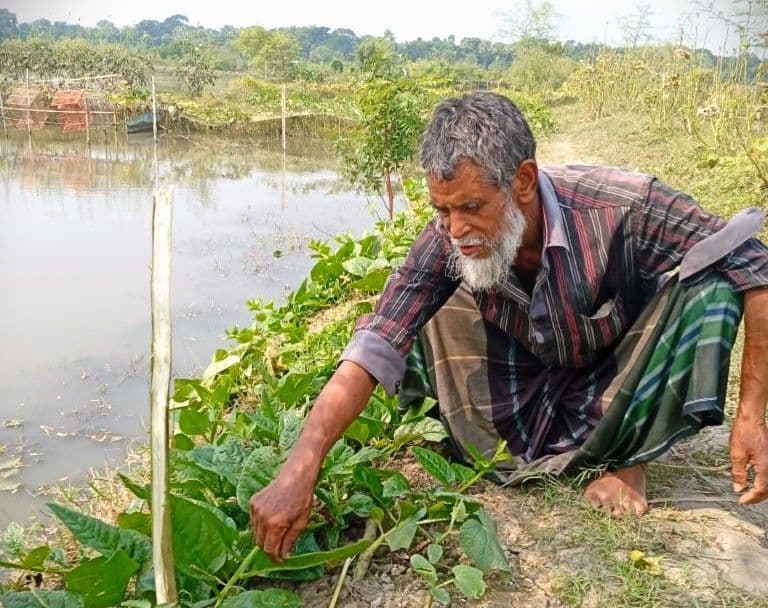
Sixty year old Ahed Ali, from Marka village in Kaliganj, Satkhira, grew up in a family struggling with poverty. With limited access to education, he left school early to support his father, a day labourer. Despite hardships, he remained active and cheerful, enjoying cricket, football, and kabaddi in his youth. Later, he became a van driver to support his family. In the early 2000s, Ahed faced a life altering incident when he was attacked during a land dispute, leaving him with severe burn injuries. The trauma shook his confidence. “At that time, I felt my whole life had collapsed,” he recalls. Support arrived when the Executive Director of Swadesh, Madhab Chandra Dutta, ensured immediate medical care and legal assistance. Ahed later joined several psychosocial support sessions and lifeskills training offered by Swadesh, helping him regain emotional strength. “Their support slowly brought me back to myself,” he says. When the SBGN Network, supported by ActionAid Bangladesh, was established, Ahed joined through Swadesh. He received training in fish farming and later a financial grant of 10,000 BDT, which became the turning point in rebuilding his livelihood. With this support, he began small-scale fish cultivation in his family pond, gradually expanding it as his confidence and income grew. Today, in 2025, Ahed manages a 3-bigha fish farm, cultivates seasonal vegetables on 20 decimals of land, and earns 30,000–40,000 BDT annually, with hopes of reaching 80,000–100,000 BDT this year. “My life has completely changed. I now stand on my own feet,” he says proudly. He dreams of expanding his fish farm further and feels confident because, as he puts it, “If Swadesh and ActionAid continue to stand beside me, I believe I can achieve even more.” Ahed’s story is one of resilience, empowerment, and rising through disruption, transforming adversity into opportunity through sustained community support, capacity building, and his own determination.
Read More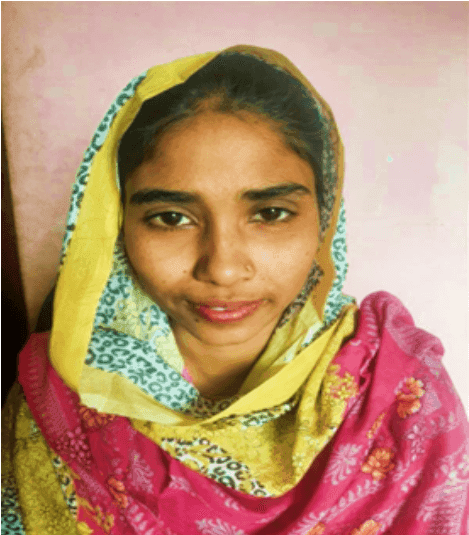
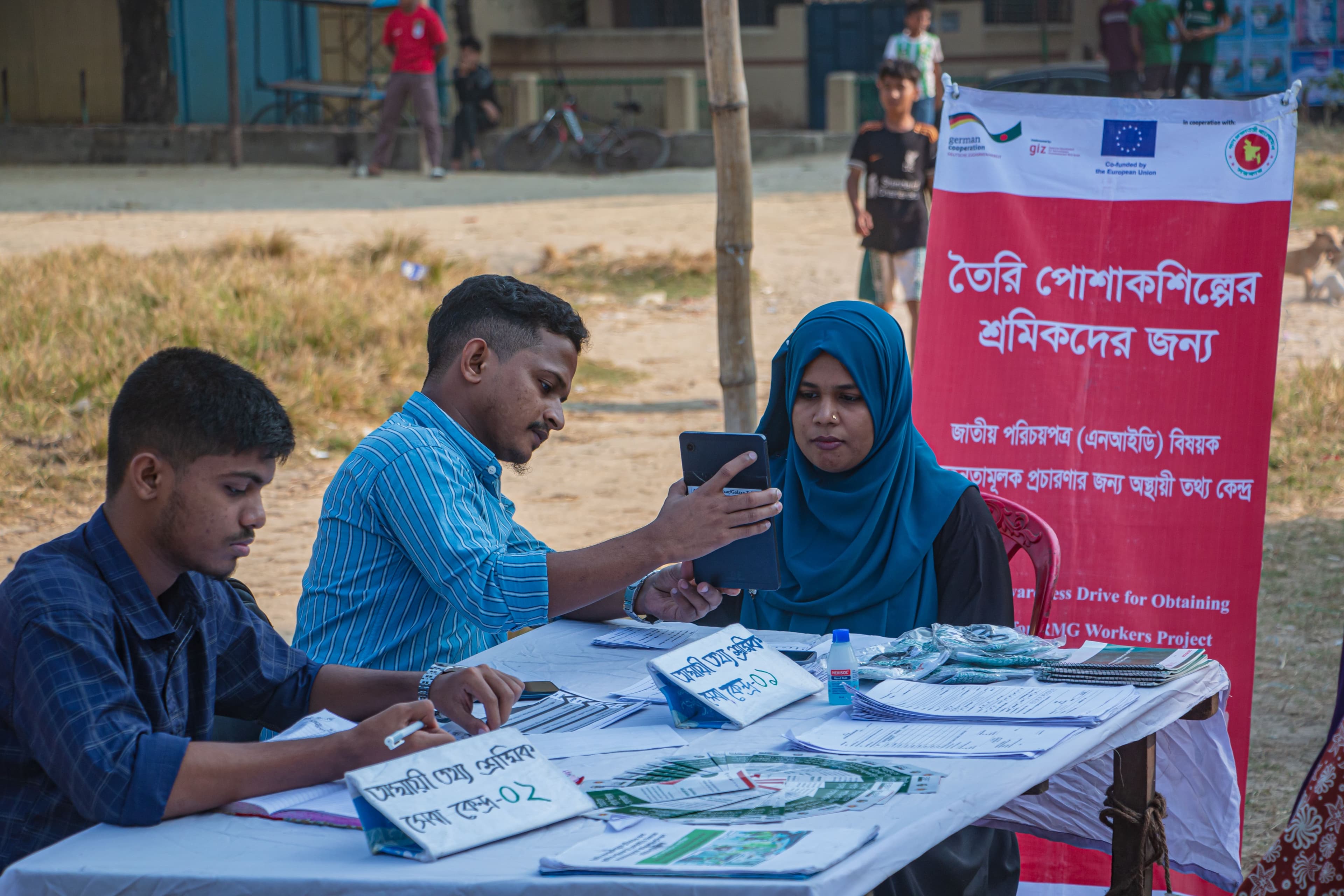
In Narayanganj, 27-year-old Sumana Begum works in the ready-made garment sector to support her family. Originally from Manikganj, Sumana grew up with four sisters and two brothers in a family where poverty was a daily reality. Married at just 16 due to financial pressure, Sumana moved to Narayanganj with her husband in search of work. She found a job in a small garment factory and soon proved herself to be skilled and hardworking. However, without a National Identity card, she remained trapped in low-paid, insecure jobs and was unable to access better opportunities, despite her dedication and experience. Sumana’s situation began to change through a simple conversation at her workplace. One of her coworkers, who had attended an orientation session under the Odhikar Project, shared what she had learned about the importance of having a valid and accurate National Identity Card (NID). Through this peer-to-peer exchange, Sumana was able understand how an NID directly affects employment opportunities, access to social protection, and essential services. She also learned about the Workers’ Support Centre, where workers receive free guidance and assistance to resolve NID-related challenges. Encouraged and filled with new hope, Sumana visited the Workers’ Support Centre, where project staff took the time to listen to her story and understand her challenges. They guided her step by step through the entire process, providing a clear list of required documents and practical support at every stage. Within ten days, Sumana collected the necessary documents from her home district and, with the assistance of the project team, completed her online NID application, verification, and biometric enrolment. Shortly afterward, she received her National Identity Card and now she works for a renowned factory. What once felt uncertain has given way to stability and dignity, allowing her to look ahead with confidence and hope. Reflecting on her journey, She said, “I didn’t know how to apply for an NID before. After coming here, the sisters explained everything clearly and helped me with the online application. The day I received my NID card was unforgettable for me. Now I can work in a better garment factory. Without this support, it would not have been possible.”
Read More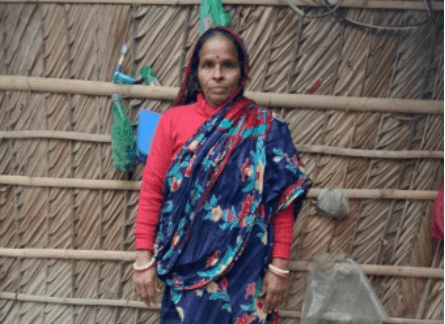
Anila Mollick is a 40-year-old woman living in Madurpalta village under Sundarban Union of Mongla Upazila in Bagerhat district. She is a housewife and has also been working as a matchmaker in her community for the last 15 years. During this long time, she arranged many marriages. In the past, she did not consider the legal age of the bride and groom while arranging marriages. A few days before, Anila arranged the marriage of a 13-year-old girl named Shyamoli. When Anila received an offer to find a bride for a groom, she selected Shyamoli from her community. Shyamoli was a student of class seven and the second daughter of her family. She had an elder sister who was also attending school. Shyamoli’s father was blind and unable to work. Her mother alone managed the family expenses and the educational costs of the children, which was very difficult for her. Anila suggested Shyamoli’s mother marry off her daughter, saying that Shyamoli was not very attentive to her studies. At first, Shyamoli’s mother refused. However, due to continuous pressure and persuasion from Anila, the mother finally agreed to the marriage. After marriage, Shyamoli faced many serious problems. Because of her young age, she had no knowledge about managing a family or handling marital responsibilities. Soon, her husband started demanding dowry to buy a motorbike. He threatened to divorce Shyamoli if the dowry was not paid. He also physically abused her. Shyamoli shared her suffering with her mother. Her mother took a loan from a local cooperative and somehow managed money to buy a motorbike for her son-in-law. However, the violence did not stop. The husband again demanded more money to start a business and continued beating Shyamoli. When Shyamoli refused to bring more money from her parents, she was forced to leave her husband’s house. After a few days, her husband divorced her. Later, Anila Mollick participated in a Value Clarification Session organized by JJS at Sundarban Union Parishad. In the session, she learned about the legal age of marriage, the laws related to child marriage, and the punishment for arranging or supporting child marriage. She also learned about the harmful impacts of early marriage, such as domestic violence, dowry-related abuse, early divorce, health risks, and loss of education. After returning home, Anila reflected deeply on her past actions. She remembered the early marriages she had arranged and realized that none of those couples were living happy married lives. She clearly understood why Shyamoli could not continue her conjugal life. For the first time, Anila felt deep sadness and guilt for her role in Shyamoli’s suffering. She strongly regretted her past actions and promised herself that she would never again arrange any marriage involving underage children. A few days later, Anila received another offer to arrange the marriage of a 15-year-old girl. This time, she immediately refused. She explained to the girl’s guardians the dangers of early marriage and the future problems the girl might face. She also informed them about the marriage law and the legal punishment for child marriage. Even though the guardians offered her a large amount of money, Anila remained firm and refused to arrange the marriage. Initially, the guardians agreed to wait until their daughter reached the legal age. However, after some days, Anila learned that the girl had been married secretly in another place to a 40-year-old man. This news deeply saddened Anila. She realized that despite her strong effort, she failed to stop the child marriage. She felt helpless and disappointed that she could not protect the girl’s future. Despite this failure, Anila did not give up. She continues to share her knowledge with community members, neighbors, and other matchmakers. She advises parents not to marry off their daughters early and encourages them to ensure education, safety, and a secure life for their children. This case study shows that value clarification sessions can bring positive change in mindset, but stopping child marriage also requires strong community support, law enforcement, and continuous follow-up. Anila Mollick’s story highlights both the success and challenges in preventing child marriage at the community level.
Read More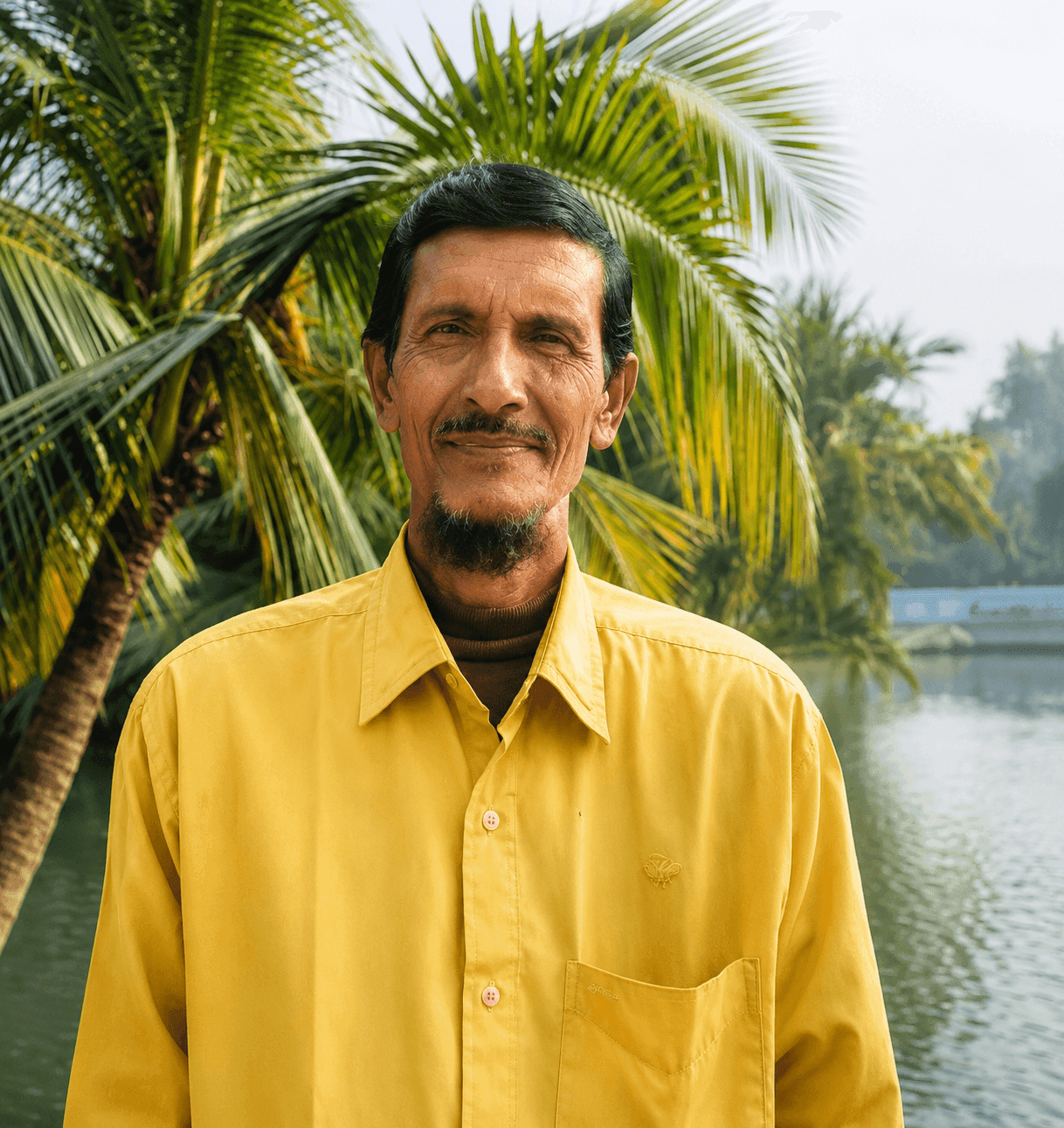
Shahjahan Sheikh is a local matchmaker living in Chondrakhali village of Rampal Upazila under Bagerhat district. For many years, he has been working as a matchmaker in his community. He prefers this work over other jobs because people respect him for this role and he also earns some money from arranging marriages. Although his income is small, it helps him support his family. In the past, Shahjahan Sheikh arranged marriages without considering the legal age of the bride and groom. That time, he was mainly focused on earning money and did not contemplate the harmful effects of child marriage. He never considered whether the couple were mentally, physically, or socially ready for marriage. By 17th November 2025, Shahjahan Sheikh participated in a Value Clarification Session organised by the SHOMBHABANA Project at Rampal Upazila Parishad. Implemented by JJS, this initiative is funded by the Embassy of the Kingdom of the Netherlands in Bangladesh, with technical support from UNFPA Bangladesh. Through this session, he learned about the legal age of marriage, the laws related to child marriage, and the punishments for arranging or supporting child marriage. He also learnt about the negative impacts of early marriage, such as health risks, early pregnancy, domestic violence, school dropouts, poverty, and lack of decision-making capacity. After returning home, Shahjahan Sheikh reflected deeply on what he had learned. He recalled many of the marriages he had arranged in the past where the couples were underage. He realised that most of those couples were not living happy married lives. Many young girls were suffering from poor health due to early pregnancy. Some couples were facing domestic violence and family conflicts. Many had to stop their education and were forced to work as day labourers, leading to a life of poverty. Due to lack of education and life skills, they also faced difficulties in managing their families. When he compared these couples with those he had married at a legal and mature age, he found a clear difference. The adult couples were more educated, financially stable, healthier, and living more peaceful family lives. This realisation made him feel deeply sad and guilty about his past actions. He strongly regretted arranging child marriages and promised himself that he would never again arrange any marriage before the legal age. A few days later, Shahjahan Sheikh received an offer to arrange the marriage. At the first Shahjahan check the birth certificate of the girl and found that the age is 17 year 154 days. This time, he immediately refused because the under ages of the girl. He explained to the girl’s guardians the dangers and long-term problems of early marriage. He talked about health risks, early childbirth, loss of education, and family violence. He also informed them about the marriage law and the legal punishment for child marriage. Even though the guardians offered him a large amount of money, Shahjahan Sheikh remained strong in his decision and refused the offer. After listening to his explanation, the guardians understood the risks and finally decided to wait until their daughter reached the legal age for marriage. By preventing this child marriage, Shahjahan Sheikh felt proud and satisfied. He realized that he had done a noble and responsible act. Now, he actively shares his knowledge with friends, neighbors, and other matchmakers in his community. He advises parents not to marry off their daughters early and encourages them to ensure education, safety, and a secure future for their children.
Read More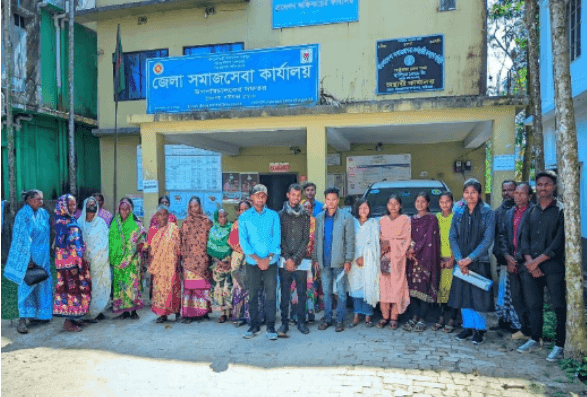
Abalamban actively participated in activities related to both community mobilization and resource mobilization under the SUSHIL Project. Their engagement in advocacy efforts, particularly targeting government service providers such as the Department of Social Services, reflects a strong focus on mobilizing public resources for marginalized groups. Additionally, their outreach efforts on connecting grassroots and indigenous communities with relevant social protection mechanisms are clear examples of community mobilization. Abalamban received multifaceted support from the SUSHIL Project, which significantly enhanced their technical and institutional capacity, enabling them to effectively advocate for the rights of indigenous communities. As part of this support, they participated in a range of issue-specific advocacy workshops focused on human rights, minority and indigenous rights, land rights, the rights of persons with disabilities (PWDs), and women’s rights. They also took part in various capacity-building training programs aimed at strengthening organizational development and enhancing technical and leadership skills. In addition, Abalamban actively engaged in district-level legal structures, including attending District Legal Aid Committee (DLAC) meetings and participating in research dissemination events on legal and rights-based issues. Their involvement extended to public outreach and awareness-building efforts through roadshows, campaigns on rights and inclusion, and public hearings on community grievances. Through these interventions, Abalamban was equipped with the knowledge, tools, and networks necessary to successfully mobilize government resources for 33 underprivileged indigenous students in Gobindaganj, Gaibandha Among the 17 civil society organizations under the Sushil Project in Gaibandha, Abalamban is one of the leading ones. Inspired by the Sushil Project and through advocacy efforts, Abalamban secured one-time grants of 3,000 takas each for a total of 33 underprivileged indigenous students from five villages in Gobindaganj Upazila, Gaibandha District, via the Department of Social Services in Gaibandha. In the six unions of Gobindaganj, nearly 6,000 indigenous people from the Santal, Orao, Mahali, and Malpahari communities reside. Among them, the Santal community is the largest. Fieldwork revealed that most of these indigenous families live at or below the poverty line. Due to differences in language, dietary habits, and lifestyle, they have limited interaction with the broader community. Many individuals in these communities are too shy or unaccustomed to ask for help, which has led to significant gaps in their access to government benefits. Through Abalamban’s outreach, they were able to establish contact with various government service providers. In this scenario - Abalamban, being a local NGO, with connections to ground realities, were able to provide vital support to the indigenous communities of Gobindaganj through advocacy with local government service providers and community awareness-building. As a partner organization under the SUSHIL Project, Abalamban worked actively to bridge gaps between marginalized indigenous groups and public institutions. In the case of the 33 underprivileged indigenous students mentioned in the story, Abalamban played a key advocacy role by engaging directly with the Department of Social Services in Gaibandha. Their intervention as advocates led to the successful disbursement of one-time educational grants to these students.
Read More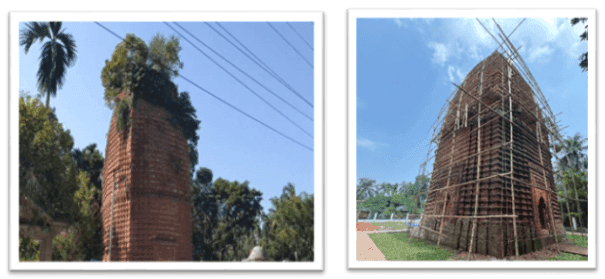
Nestled in the Jatrapur Union of Bagerhat Sadar Upazila lies Kodla Math, an ancient religious and cultural structure. Once a proud symbol of local heritage and history, this nearly century-old monument had long been neglected—abandoned to time, overgrown with shrubs, its walls cracked, bricks collapsing, and steadily vanishing from public memory. Though many locals were aware of its historical and tourism value, no visible action had been taken to preserve or restore it. This began to change through the SUSHIL Project, jointly implemented by ActionAid Bangladesh and led by the Bangladesh Institute of Journalism and Electronic Media (BIJEM). Under this initiative, young people were trained in op-ed writing, podcast production, and, most importantly, in raising local issues to the national spotlight. The training gave rise to a cohort of empowered citizen journalists, who now use facts, images, and videos to boldly present pressing local concerns. One such trained youth was Israfill Sardar, who took it upon himself to highlight the deteriorating condition of Kodla Math. Using only his mobile phone, he captured the current state of the site through video and photos and produced a powerful awareness video, featuring the historical significance of the structure and the urgent need for its preservation. Israfill shared the video on several social media platforms including Praner Bagerhat, the BIJEM training group, and others. The content quickly went viral, drawing attention from hundreds of viewers. People began commenting and sharing the post, collectively demanding restoration from the authorities. This digital momentum reached the local administration, which soon conducted an on-site visit. Shortly afterward, restoration efforts officially began. The conversation around Kodla Math grew stronger—sparking public awareness, a sense of responsibility, and community involvement. Locals who had once remained silent now actively joined efforts to save the monument. Thanks to a single video content, a century-old structure was rescued from the verge of destruction. With restoration underway, Kodla Math now stands as both a preserved historical site and a revitalized tourist attraction, contributing to Bagerhat’s rich cultural identity and growing tourism industry. The entire episode underlines a critical lesson: when given training and opportunity, even an ordinary young person can initiate extraordinary social change. The “Capacity Building of Young Op-ed Writers, Video Content Creators, and Youth Organizers” component of the SUSHIL Project is not merely a training activity, it is a platform for real, effective, and impactful civic engagement. Through this initiative, youth are not only learning how to produce fact-based digital content but also taking ownership of their community’s challenges and stepping up to create change. This collaboration between ActionAid Bangladesh and BIJEM under the SUSHIL Project has sparked an inspiring narrative—one where information, technology, and accountability converge to bring about tangible, positive transformation in society. The revival of Kodla Math is a shining example of what empowered youth can achieve when given the right tools and voice.
Read More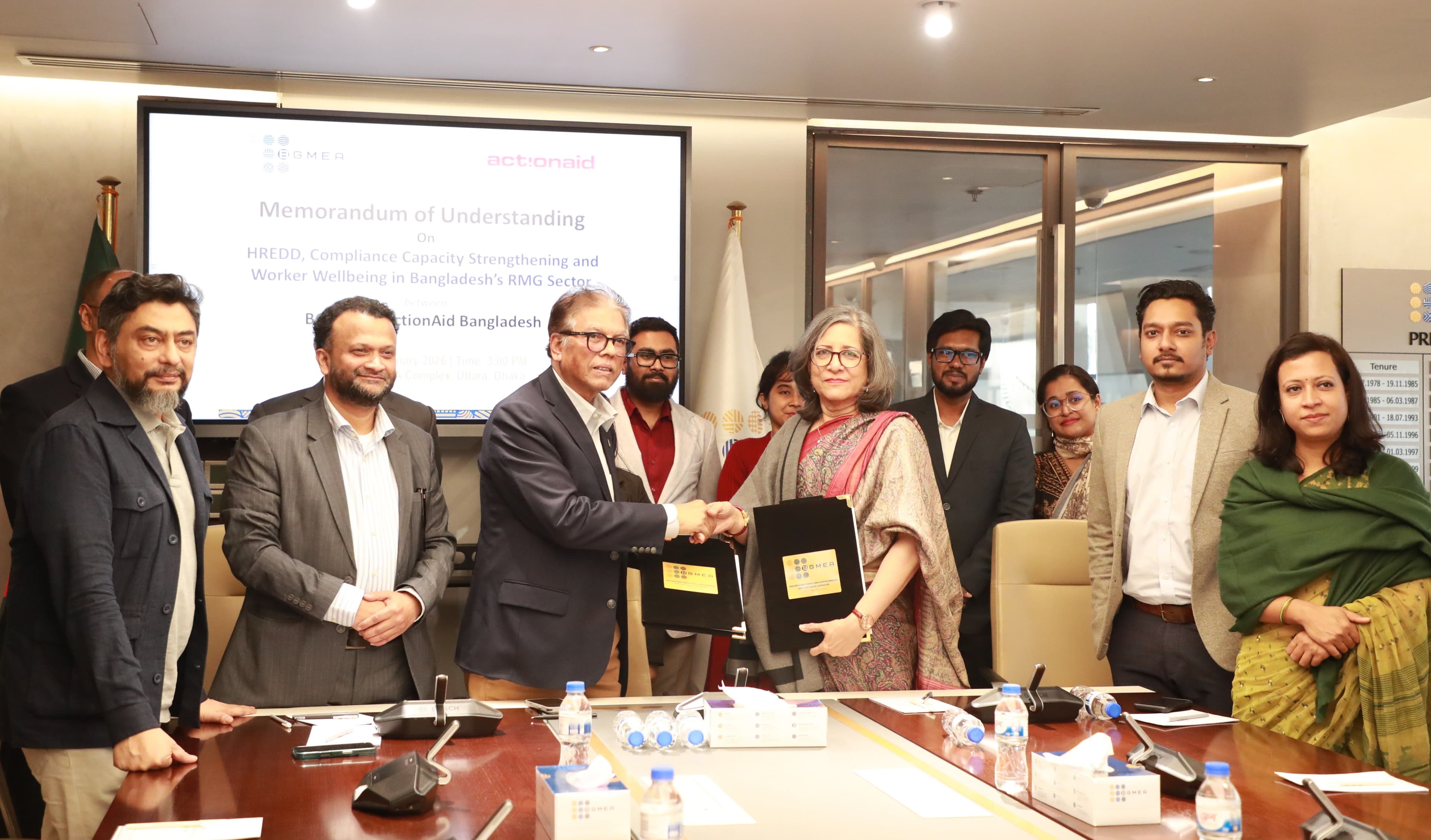
The Bangladesh Garment Manufacturers and Exporters Association and ActionAid Bangladesh have signed a Memorandum of Understanding on Tuesday to work as strategic partners in advancing the sustainable transformation of Bangladesh’s readymade garment sector. According to a press release, the partnership aimed to ensure human rights and environmental due diligence, strengthen compliance capacity, and improve the overall quality of life of garment workers. Under the MoU, ActionAid Bangladesh would support the implementation of BGMEA’s Sustainable Strategic Vision 2030 as a strategic partner. Inamul Haq Khan, senior vice president of the BGMEA, and Farah Kabir, country director of ActionAid Bangladesh, signed the MoU on behalf of their organization at the BGMEA Complex in the capital’s Uttara. According to the MoU, the key areas of collaboration would include promoting women’s leadership in factories, ensuring a decent work environment, creating a harassment- and discrimination-free workplace, and raising workers’ awareness of their rights. They would also work to reduce carbon emissions through energy-efficient technologies, encourage green industrialisation, and ensure occupational health, mental well-being, and access to social protection schemes for workers. The both signatories would focus on enhancing workforce skills, and introducing specialised monitoring tools and training aligned with international standards like the EU Corporate Sustainability Due Diligence Directive, the press release added. The MoU would also work to strengthen coordination among factory owners, workers, and buyers through regular reviews to maintain transparency. Speaking at the ceremony, Inamul Haq Khan said that Bangladesh’s garment industry is no longer merely a production hub but has emerged as a trusted global partner in sustainable and ethical business practices. He expressed hope that the partnership with ActionAid Bangladesh would further strengthen human rights and environmental standards in garment factories and elevate Bangladesh’s reputation and competitiveness in international markets. Farah Kabir said that sustainable growth of the garment industry is only possible by ensuring workers’ rights and environmental sustainability. She noted that the organisation aims to build an inclusive ecosystem with all stakeholders where transparency and human rights remain top priorities. The MoU would remain effective for five years, from January 2026 to December 2030. Under the agreement, ActionAid Bangladesh would provide financial support for the implementation of the initiatives, while BGMEA would ensure infrastructure and logistical support across its member factories. BGMEA vice president Md Rezwan Selim, directors Nafis-Ud Doula, Sheikh Hossain Muhammad Mustafiz and Rumana Rashid, along with senior officials of ActionAid Bangladesh, were also present at the signing ceremony. Source:
Read More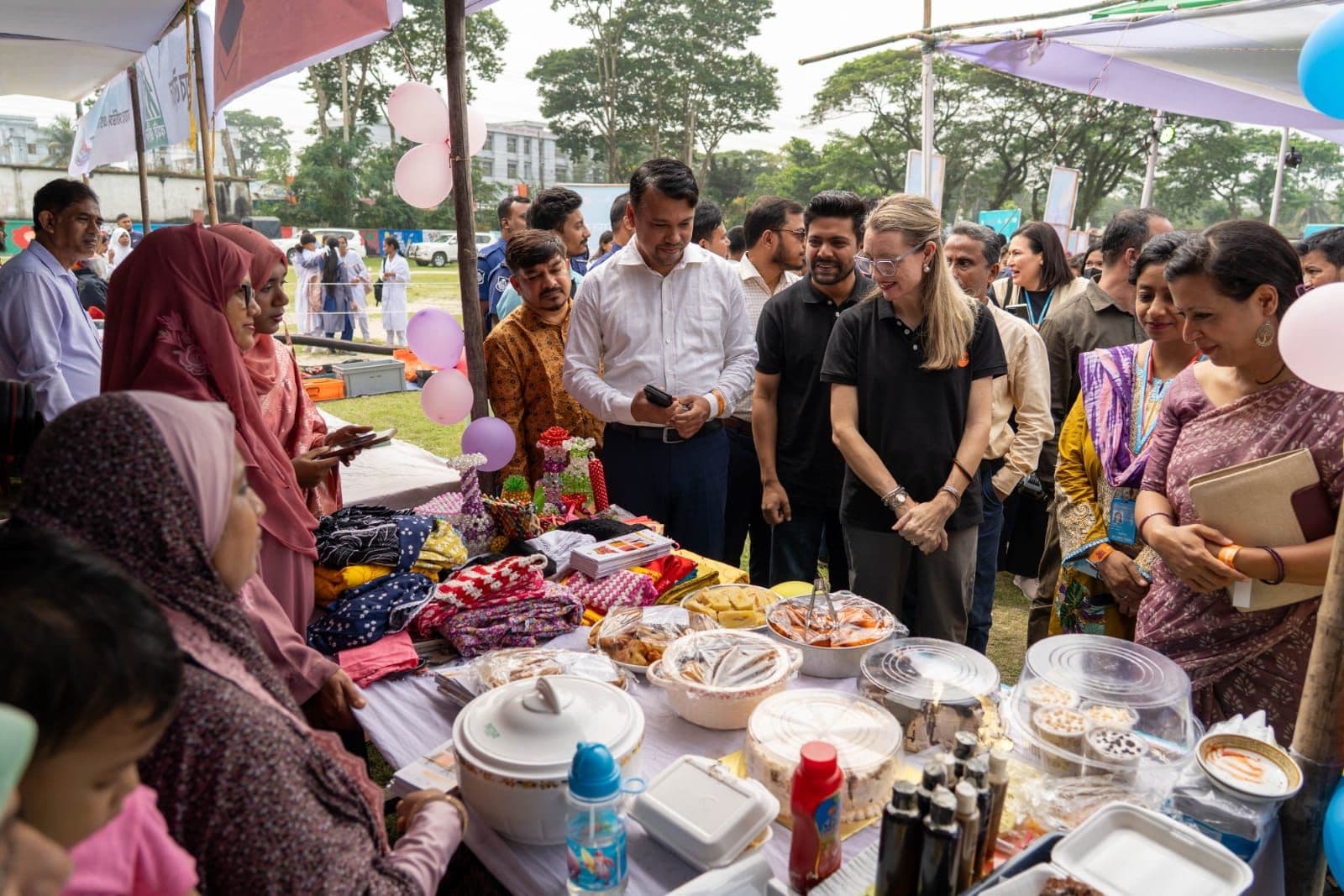
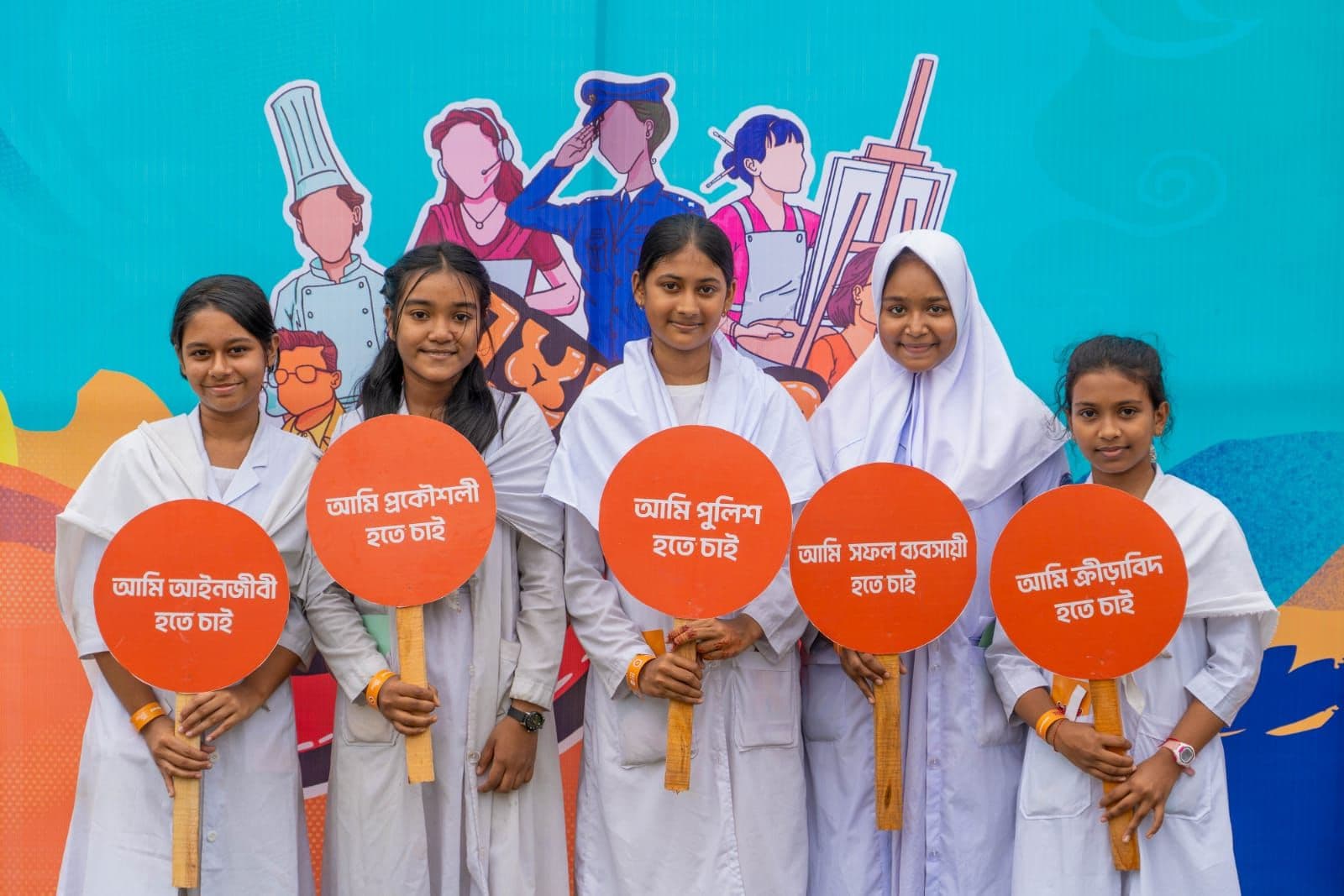
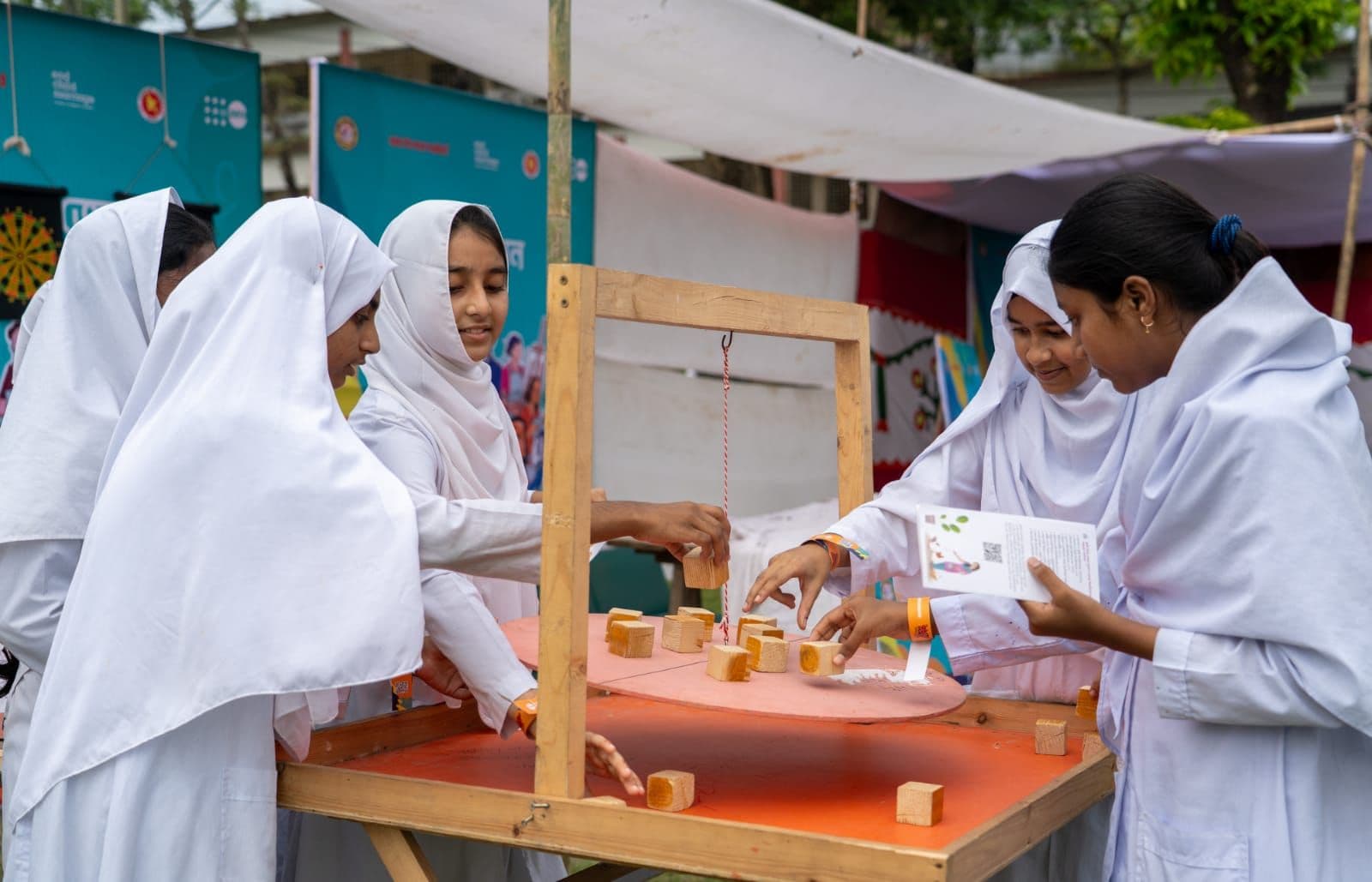
A “Career Festival” was held on Tuesday, 4 November, at Begumganj Pilot Government High School to raise awareness among adolescents about preventing child marriage and promoting education, dreams, and life opportunities. Organized under the leadership of Sagorika Samaj Unnayan Sangstha, the event was graced by UNFPA Representative Catherine Breen Kamkong as the chief guest, along with local administration officials, ActionAid Bangladesh representatives, women affairs, social welfare, and youth development officers, teachers, and students. Speakers highlighted that child marriage leads to increased risks of violence, maternal mortality, and child health complications, emphasizing collective responsibility to prevent child marriage and support girls’ education and aspirations. Read more:
Read MoreActionAid Bangladesh has launched its 16 Days of Activism campaign, calling for safer cities for women and girls. As part of the global observance, a day-long programme was organised today, Wednesday, at the Bangladesh Shilpakala Academy in Dhaka under the theme "Safe City, Fearless Women". The programme opened with a live outdoor performance and an installation series entitled "Stories of Courage" in the academy's open courtyard, highlighting women's stories of resilience. This was followed by an indoor theatrical production, "Echoes of Her Life", staged at the Chitrashala Auditorium. The play portrayed real-life experiences of harassment and insecurity faced by women in public transport, public spaces, and service institutions, leaving a strong emotional impact on the audience. Marium Neesa, Lead of the Women's Rights and Gender Equity Team at ActionAid Bangladesh, presented the situation of women's safety in both online and offline spaces in the city. During an interactive discussion between the performances, speakers called for strict enforcement of laws, gender-sensitive urban planning, and improvements in social values to reduce violence against women. They emphasised the need to challenge patriarchal mindsets and integrate awareness into the education curriculum as part of preventive measures. Speakers also reaffirmed commitments to creating women-friendly public spaces and public transport, stressing that swift legal action is essential in responding to complaints of harassment. Referring to findings from ActionAid Bangladesh's Safe City Campaign research, Country Director, Farah Kabir, said: "Our research shows that in 2021 and 2022, online violence against women stood at 63 per cent. As a result, 42 per cent of women reduced their online presence. In addition, 63 per cent of women move outside with fear or anxiety, and 22 per cent face harassment in public transport. These findings prove that women are not fully safe in either online or offline spaces." She added: "Violence continues because of tolerance and lack of accountability," urging all, regardless of gender, to work together against violence. Professor Tania Haque of the University of Dhaka identified cultural violence and its social acceptance as key factors behind rising incidents. She said urban communities must not remain silent witnesses and must raise their voices against harassment. Dr Prakash Kanti Chowdhury, Joint Secretary of the Ministry of Women and Children Affairs, said: "Violence will not decrease unless men and boys are engaged as allies through positive transformation. Government and civil society must prioritise preventive action." S M Shafiqur Rahman, Chief Urban Planner of Dhaka North City Corporation, reaffirmed the commitment to gender-sensitive planning to ensure women's safety in urban design. Deputy Police Commissioner of Dhaka Metropolitan Police, Mosammat Farhana Yasmin, urged citizens to report incidents promptly, saying long-term state-level planning, increased recruitment of women police officers, and specialised training are essential to provide effective support for survivors. Speaking at the discussion, Sharmin Islam, Gender Team Lead at UNDP, urged the government to strengthen CCTV surveillance in public spaces and increase gender budgeting. "Violence is rising because of a culture of impunity, so incorporating gender sensitivity into the mainstream curriculum is crucial as a preventive measure," she said. The inaugural ceremony was also attended by filmmaker Fakhrul Arefeen Khan; Jasmine Ara, Assistant Director at the Ministry of Women and Children Affairs; government policymakers, urban planners, civil society representatives, and other distinguished guests. The 16-day campaign is part of ActionAid Bangladesh's Safe City Campaign. From 25 November to 10 December, various local-level initiatives will be undertaken across cities to help build a sustained movement against violence. Source:
Read More