Projects
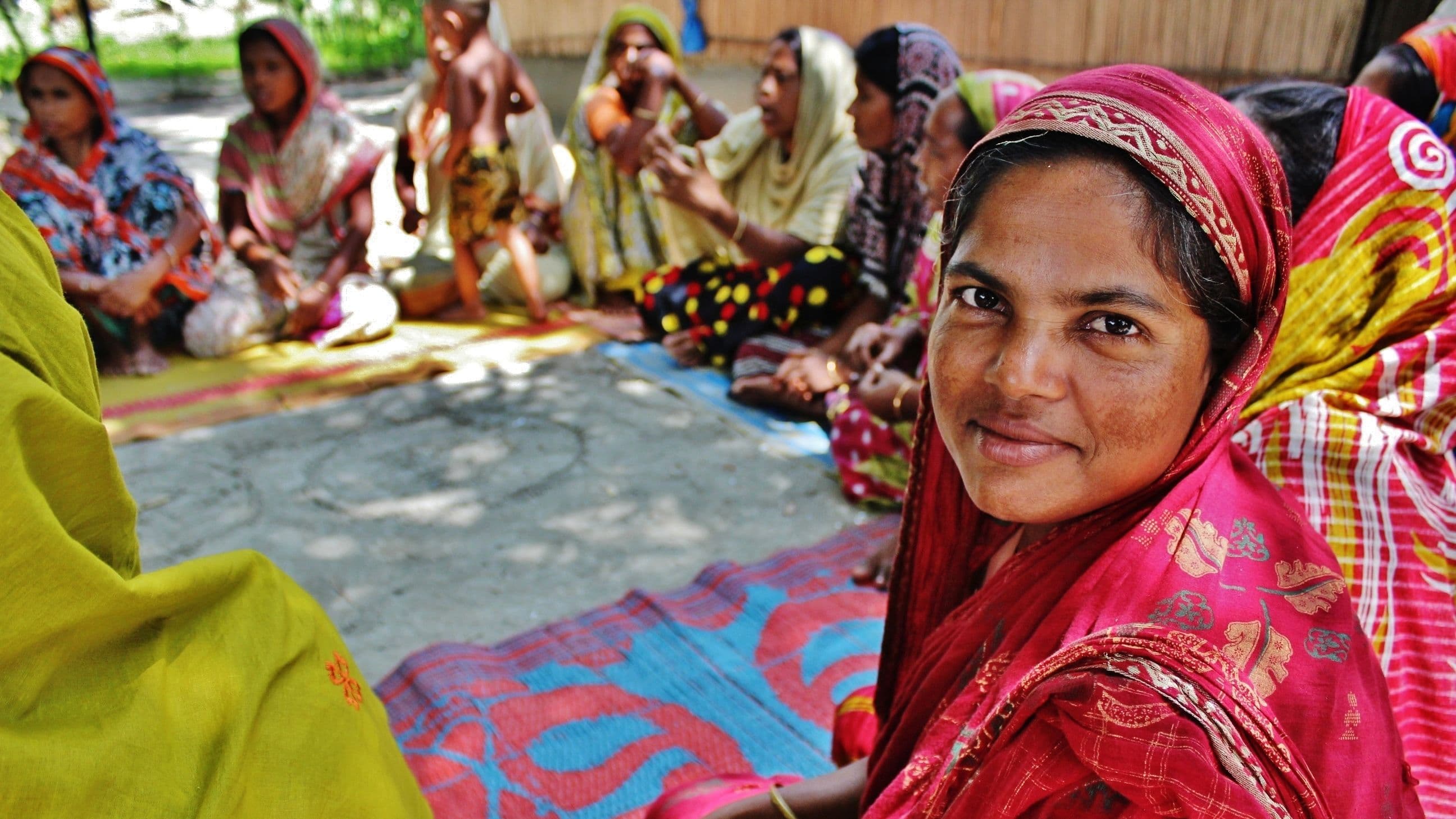
ActionAid Bangladesh’s Humanitarian Response Programme delivers timely, rights-based support to communities affected by disasters, climate shocks, and displacement. Grounded in a feminist and locally led approach, the programme prioritizes the leadership, safety, and resilience of women, girls, and marginalized groups.
From rapid emergency response during floods, cyclones, and humanitarian crises to long-term recovery and resilience building, ActionAid works alongside communities to ensure access to food, safe shelter, clean water, and protection services. The programme is particularly active in climate-vulnerable coastal regions and in the Rohingya refugee response in Cox’s Bazar, where it supports women-led initiatives, safe spaces, and essential services.
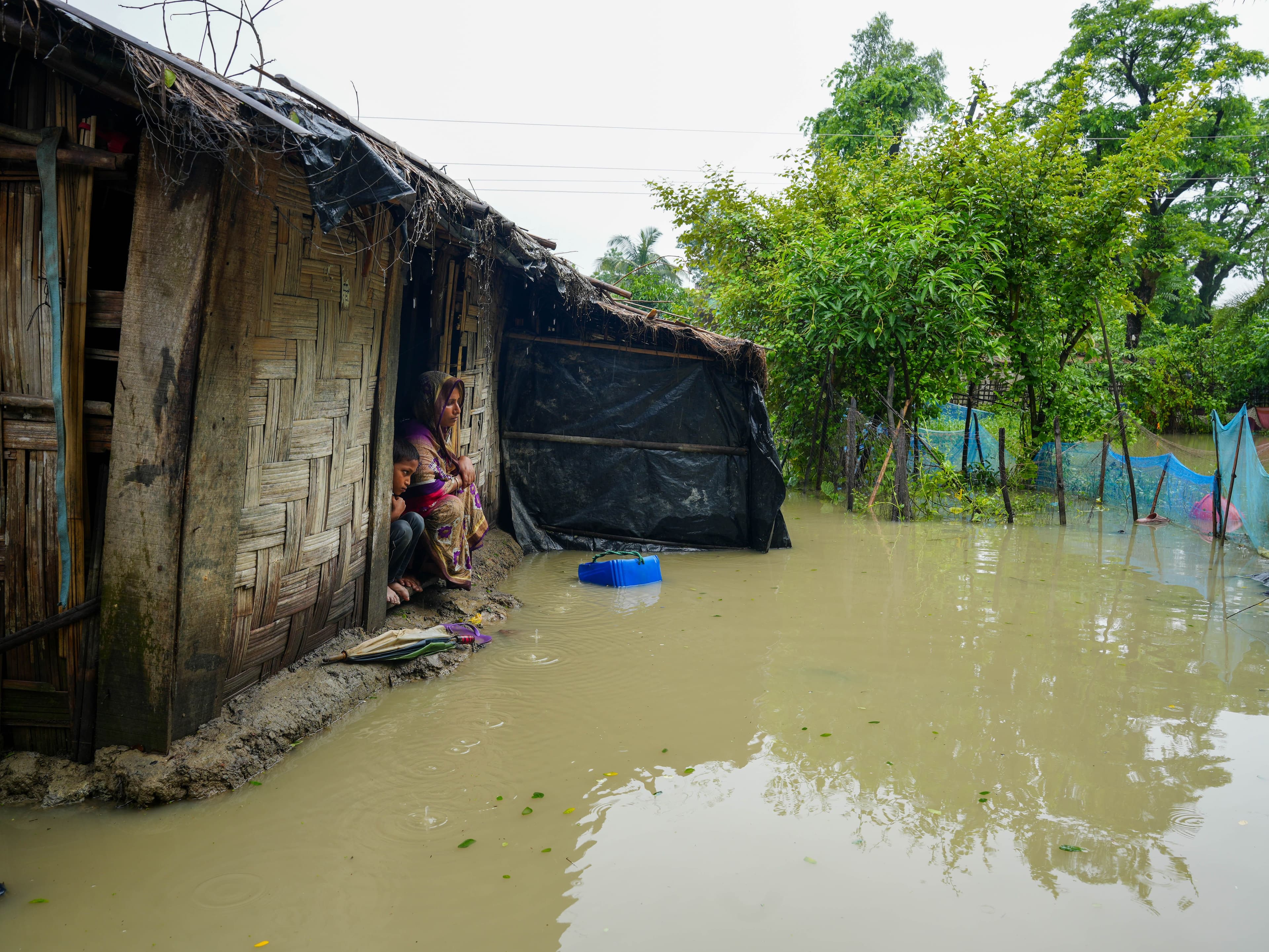
“I Don’t Know What We Will Eat or Where We Will Stay” These were the words of Mariam* from Pekua Upazila in Cox’s Bazar, where recent flooding has left thousands of families struggling to cope with the loss of food, income, and safe shelter. “These past few days have been very hard for my children. We don’t always have enough food, and they often fall asleep after spending hours hungry. Floodwater entered our home and ruined everything. Now I don’t know what we will eat or where we will stay with the children.” These were the words of Mariam* from Pekua Upazila in Cox’s Bazar , where recent flooding has left thousands of families struggling to cope with the loss of food, income, and safe shelter. When ActionAid staff visited her community, floodwater still surrounded her home. Knee-deep water covered the yard and had already reached the veranda. Mariam is the mother of five children, all of whom depend on her daily care and support. Her husband, the family’s sole breadwinner, works as a mason. However, continuous rain and flooding have left him without work for the past ten days. “Life was already difficult before the flood,” Mariam said. “Now there is no work and very little food at home. Some days, if I can feed the children even one meal, I feel grateful.” Like many families in the area, they were caught off guard by the speed of the flooding. Water entered their home overnight, damaging household belongings, food supplies, and cooking facilities. Floodwater submerged the family’s kitchen and clay stove, forcing them to set up a temporary cooking corner inside their living space. With no savings to rely on, Mariam borrowed money from a neighbour to buy rice and lentils so the family could continue having at least one meal a day. Mariam navigates floodwater outside her home in Pekua, where days of heavy rain left many families struggling to access basic necessities and continue their daily lives. Many families remained in their damaged homes during the emergency. Community members said they were reluctant to move to the local cyclone shelter, which they described as being in a deteriorated condition. “For the last three days, we have survived on rice and lentils,” Mariam said. “Only one meal a day.” During the visit, two of her children lay asleep on a bed nearby. Mariam explained that hunger had become part of their daily reality. “They cried for food all morning. Since we eat only once a day, they had rice and lentils at noon and then fell asleep. It is becoming a daily routine.” Like many coastal communities in Pekua, families largely depend on daily wage labour, fishing, and salt cultivation. With floodwater remaining for days, many households lost their income and were forced to borrow money simply to meet their basic needs. The floods have also intensified existing challenges around safe water and sanitation. Several households share communal latrines, and many families purchase drinking water because there is no tube well in the community. Flooding has further limited access to clean water and sanitation facilities, increasing health risks and making it difficult for women and girls to maintain privacy and dignity. A communal latrine stands surrounded by floodwater in Pekua. Limited access to safe sanitation and clean water remains a major challenge for affected families. “There is water everywhere, but not clean water that we can use,” Mariam explained. “Keeping the children clean and bathing them has become very difficult.” Women in the community also spoke about overcrowded living conditions, concerns for children’s safety, and the challenges of accessing sanitation facilities, particularly at night. With homes surrounded by water and schools closed, many parents remain anxious about their children’s wellbeing. Throughout the visit, Mariam spoke with a smile that seemed at odds with the difficulties surrounding her. As she described hunger, damaged walls, and uncertainty about the days ahead, she continued to speak warmly about her children. Behind that smile, however, was the weight of ensuring five children had enough to eat and a safe place to sleep. Across Cox's Bazar's coastal communities, many families are facing similar struggles. In a region where flooding has become an almost annual reality, families are left wondering how many more times they can rebuild their homes, restore their livelihoods, and start over again. For Mariam, and for countless women like her along this coast, this has become the seventh season, not marked on any calendar, but as predictable as the monsoon, and far harder to prepare for. It doesn't end when the floodwater recedes. It lingers in the debt still owed to a neighbour, in the children who ask when they'll eat again, in the quiet work of holding a family together with almost nothing. * Name changed to protect identity.
Read Moreটানা ভারী বর্ষণে সৃষ্ট আকস্মিক বন্যায় কক্সবাজারের টেকনাফ উপজেলার হ্নীলা ও হোয়াইক্যং ইউনিয়নের শত শত পরিবার পানিবন্দি হয়ে পড়েছে। ঘরবাড়ি প্লাবিত হওয়া, কাঁচা সড়ক ক্ষতিগ্রস্ত হওয়া এবং নলকূপ ও স্যানিটেশন ব্যবস্থা পানির নিচে তলিয়ে যাওয়ায় এলাকায় নিরাপদ পানীয় পানির তীব্র সংকট দেখা দিয়েছে। এ অবস্থায় স্থানীয় যুব নেতৃত্বাধীন সংগঠন SHAY (Support for Humanitarian Aid Youth Society), JYDA Bangladesh ও Youth Peacebuilders যৌথভাবে ActionAid Bangladesh-এর সহায়তায় জরুরি মানবিক সহায়তা কার্যক্রম শুরু করেছে। Read More:
Read Moreসাম্প্রতিক বন্যায় ক্ষতিগ্রস্ত কক্সবাজার জেলায় পেকুয়া উপজেলার ৪৫০টি পরিবারকে নগদ অর্থ সহায়তা প্রদান করেছে একশনএইড বাংলাদেশ। চলমান জরুরি বন্যা প্রতিক্রিয়ার অংশ হিসেবে মগনামা ইউনিয়ন পরিষদ মাট ও রাজাখালী ইউনিয়নের এয়ার আলী খাঁন আদর্শ উচ্চ বিদ্যালয় মাটে আয়োজিত পৃথকভাবে ক্ষতিগ্রস্ত পরিবারের নারীদের হাতে প্রতি জনকে ৪,০০০ টাকা করে নগদ সহায়তা তুলে দেওয়া হয়। Read More:
Read More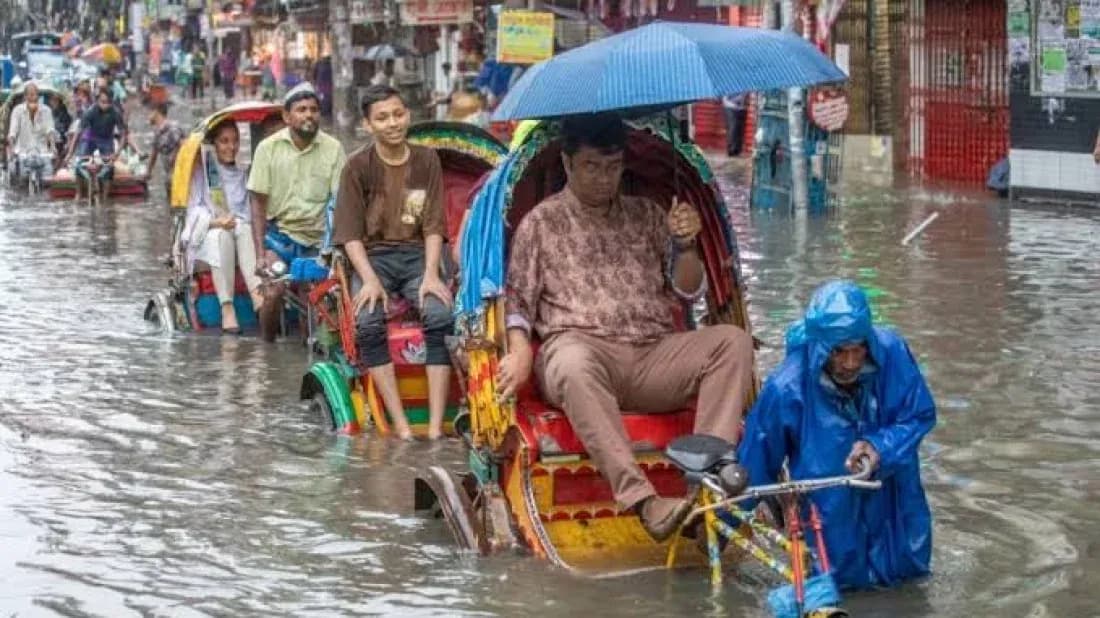
Another monsoon. Another flood. Another round of gridlocked roads, waterlogged streets, and communities wading waist-deep through their own neighbourhoods. It is not just déjà vu -- it’s a sign of failure. Despite decades of development promises and crores spent, Dhaka once again finds itself drowning -- literally and institutionally. This is not a weather problem. It is a political and planning problem. The warning signs are clear. So is the neglect Dhaka receives over 2,060 mm of rain annually, most of it concentrated within just a few months. Flash floods now form within 30 to 60 minutes of heavy rainfall. This isn’t some freak occurrence -- it’s a predictable outcome of climate change, poorly managed urban growth, and environmental neglect. Yet, even with this data, we continue to treat these floods as isolated shocks, not as chronic symptoms of a failing urban system. A recent Buet study confirms that rainfall intensity is rising. So why are our responses still stuck in the past? A 2024 RDRC study found that restoring just 15 of the city’s encroached canals could reduce waterlogging by a staggering 80%. The technical solutions exist. The barriers are political and administrative. And while funds flow -- over Tk730 crore spent in just four years on drainage cleaning and desilting -- the results are marginal. So where is the impact? Where is the coordination? Most importantly, where is the accountability? Who’s in charge? Apparently, no one. Dhaka’s water crisis is not just about rain -- it’s about governance gridlock. RAJUK enforces building codes. WASA manages stormwater drains. DNCC and DSCC are tasked with maintaining roads and infrastructure. BWDB oversees embankments. Did these bodies meet before the monsoon? Did they develop a joint action plan? Are they answering to the public they’re meant to serve? Or are they passing the buck yet again while the city sinks? This institutional fragmentation isn’t just frustrating -- it’s deadly. And while officials blame each other, it’s the poor, the elderly, women, and slum dwellers who pay the price. They lose homes, jobs, health, and dignity in silence. From crisis management to anticipatory action We need to stop treating climate impacts like natural disasters and start treating them like the man-made emergencies they are. It’s time to shift from disaster response to anticipatory planning. That means investing in real-time hazard databases, rainfall-runoff modelling, and nature-based infrastructure that works with the ecosystem, not against it. Wetlands and ponds aren’t empty spaces -- they are the city’s lungs and drainage basins. Reclaim them. Rainwater harvesting is another low-hanging fruit we continue to ignore. Despite policy proposals, enforcement is lacking. Community-led rooftop harvesting projects have shown promise -- what they need now is scale, support, and public funding. Offer tax rebates. Build public infrastructure. Mandate implementation. The private sector can also step up. Some forward-looking garment factories are already leading with rainwater harvesting systems. These are not CSR gimmicks -- they’re climate-smart investments. Dhaka’s resilience and its economy don’t have to be at odds. Resilience must be people-centered Infrastructure and technology alone won’t solve this crisis. We must centre our efforts on people -- especially those most affected. Disaster risk reduction must be feminist and intersectional. Women, people with disabilities, informal workers, and slum dwellers are not just victims of climate breakdown -- they are often the first responders. Yet they remain excluded from decision-making processes. At ActionAid Bangladesh, we’ve piloted models that work: Community-led disaster response systems, school-based rainwater recharge, climate-resilient housing, and participatory risk mapping. Girls and women in these communities are organizing and innovating daily. Their contributions must not be sidelined -- they should be at the forefront of our strategies. From projects to power-sharing This is not just a call for better policies -- it’s a call for a fundamental shift in how we govern this city. We must move from top-down, project-based approaches to long-term, inclusive systems. From reactive bureaucracy to collaborative governance. And from fragmented planning to shared responsibility. Enforce building codes. Reclaim natural drainage canals. Equip ward commissioners with the power and resources to lead local resilience. Institutionalize community-led risk assessments. These are not radical ideas -- they are long overdue necessities. This political moment -- when an interim administration oversees national affairs -- is a chance to act boldly. Let Dhaka be a model of reform, not a monument to mismanagement. Let rain be a resource, not a threat Dhaka doesn’t lack rainfall. It lacks vision. It lacks coordination. And it sorely lacks accountability. We must stop viewing the monsoon as a curse and start managing it as a resource. Rain should not bring fear -- it should bring life. But that requires planning, political will, and the courage to prioritize people over profit and power. The next flood is not a matter of if, but when. The question is: Will we wait once again to rediscover our urgency? Or will we rise -- together -- to build a Dhaka that is truly livable and resilient? The time to act was yesterday. The next best time is now. Farah Kabir is Country Director, ActionAid Bangladesh.
Read More