Civil Society-Led Transformation Toward Climate Resilience
 Timeline:January 1, 2026 – December 31, 2028
 Location: Shyamnagar, Satkhira, Pekua, Cox'sbazar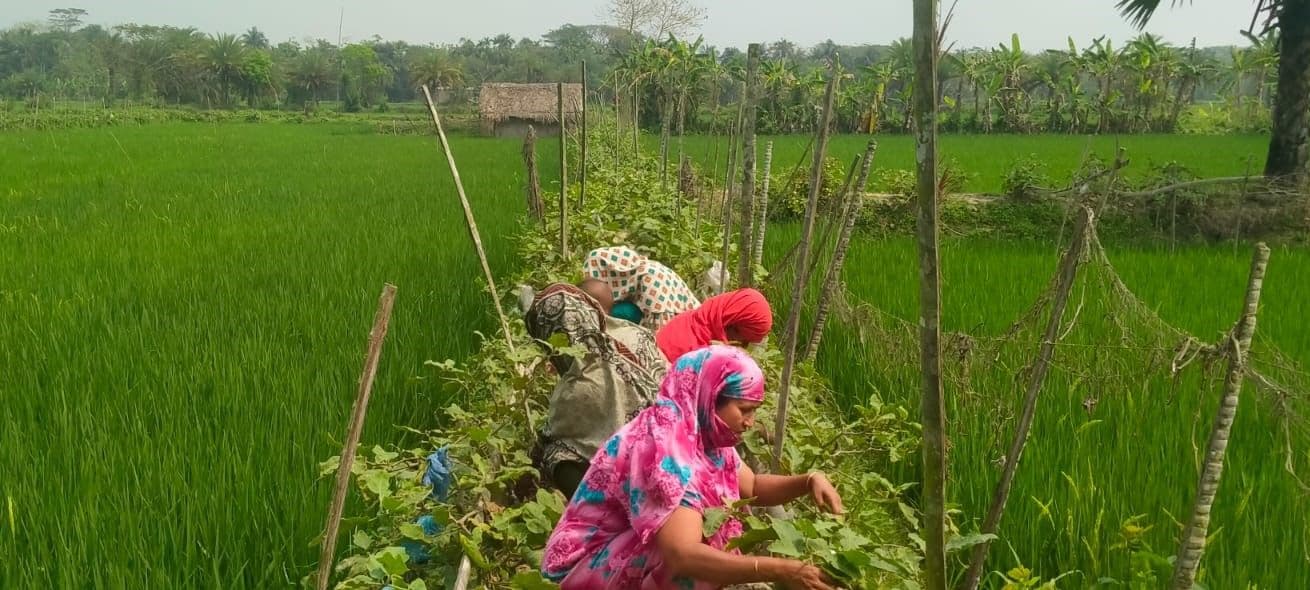
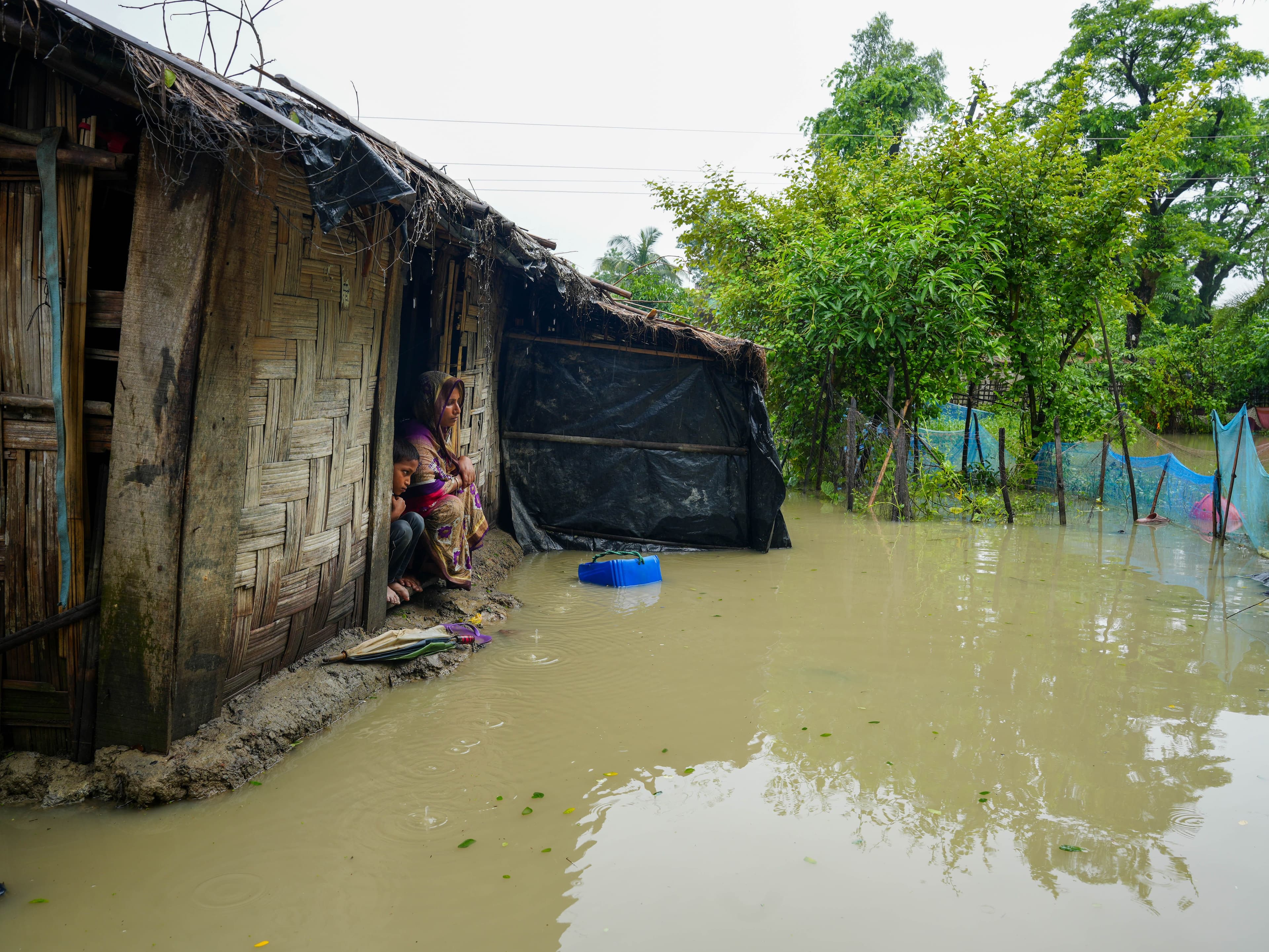
This is a multi-country project being implemented in Bangladesh and Vietnam to address climate vulnerabilities among the most marginalised communities in both countries. The project aimed to develop grassroots civil society actors as the first responders during crises through supporting them engaging in long-term decision-making processes.
This project addresses that gap by shifting the focus from participation to leadership. The initiative positions civil society actors, particularly women- and youth-led organisations, as drivers of democratic governance, accountability, and social transformation, rather than mere implementers.
Through cross-country collaboration, the initiative also promotes South–South learning, enabling locally grounded solutions to inform broader policy and advocacy spaces.
Strengthening Civil Society Capacity
The project focuses on long-term institutional strengthening of civil society organisations by:
• Enhancing governance, transparency, and accountability systems
• Building technical expertise in gender-responsive climate adaptation and disaster risk reduction
• Strengthening advocacy and policy engagement capacities.
• Supporting diversified funding approaches to improve financial independence.
This approach ensures that CSOs remain sustainable, independent, and influential beyond the project period.
Expanding Civic Space and Enabling Environment
The initiative contributes to a more open and inclusive civic space by:
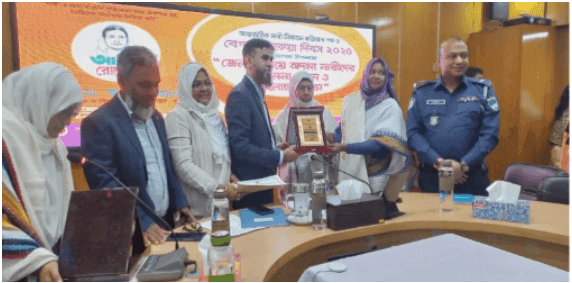
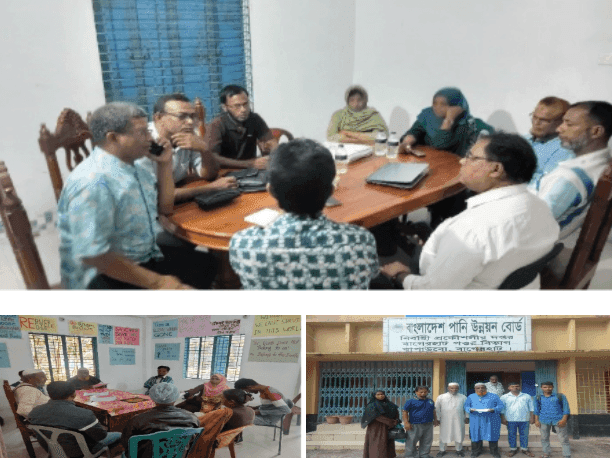
• Creating platforms for dialogue between civil society, government, and policymakers
• Strengthening networks and coalitions to amplify collective voices
• Supporting grassroots advocacy for accountability and inclusive governance
• Promoting the integration of community-led solutions into policies and planning
These efforts help foster a more pluralistic and participatory civil society ecosystem.
Local Ownership and Inclusive Leadership
Local ownership is central to the project design:
• Women- and youth-led groups will design, implement, and monitor interventions
• Decision-making processes will be decentralized and participatory
• Inclusion of minorities and persons with specific needs will be prioritized
This ensures that interventions are context-specific, relevant, and sustainable.
Integrated Approach to Climate Resilience
The project adopts a nexus approach that links:
• Climate adaptation
• Disaster risk reduction (DRR)
• Gender equality
• Livelihood resilience
By integrating these areas, the project strengthens communities’ mitigative, adaptive, and transformative capacities, moving beyond short-term responses toward long-term resilience.