Water security is a matter of economic stability, public financing and geopolitical risk.
Conflicts and ongoing instability in West Asia disrupted global energy markets, driving up fuel prices. In the global south, this situation has direct implications for water systems that rely on energy for pumping, treatment, irrigation, and distribution. As energy prices go up, water services become less affordable and reliable, which makes homes, farms and cities less safe.
Adding to this bizarre global scenario, climate change is intensifying heatwaves, floods, droughts and rainfall variability, making water systems more fragile and expensive to maintain, particularly in already resource-constrained settings.
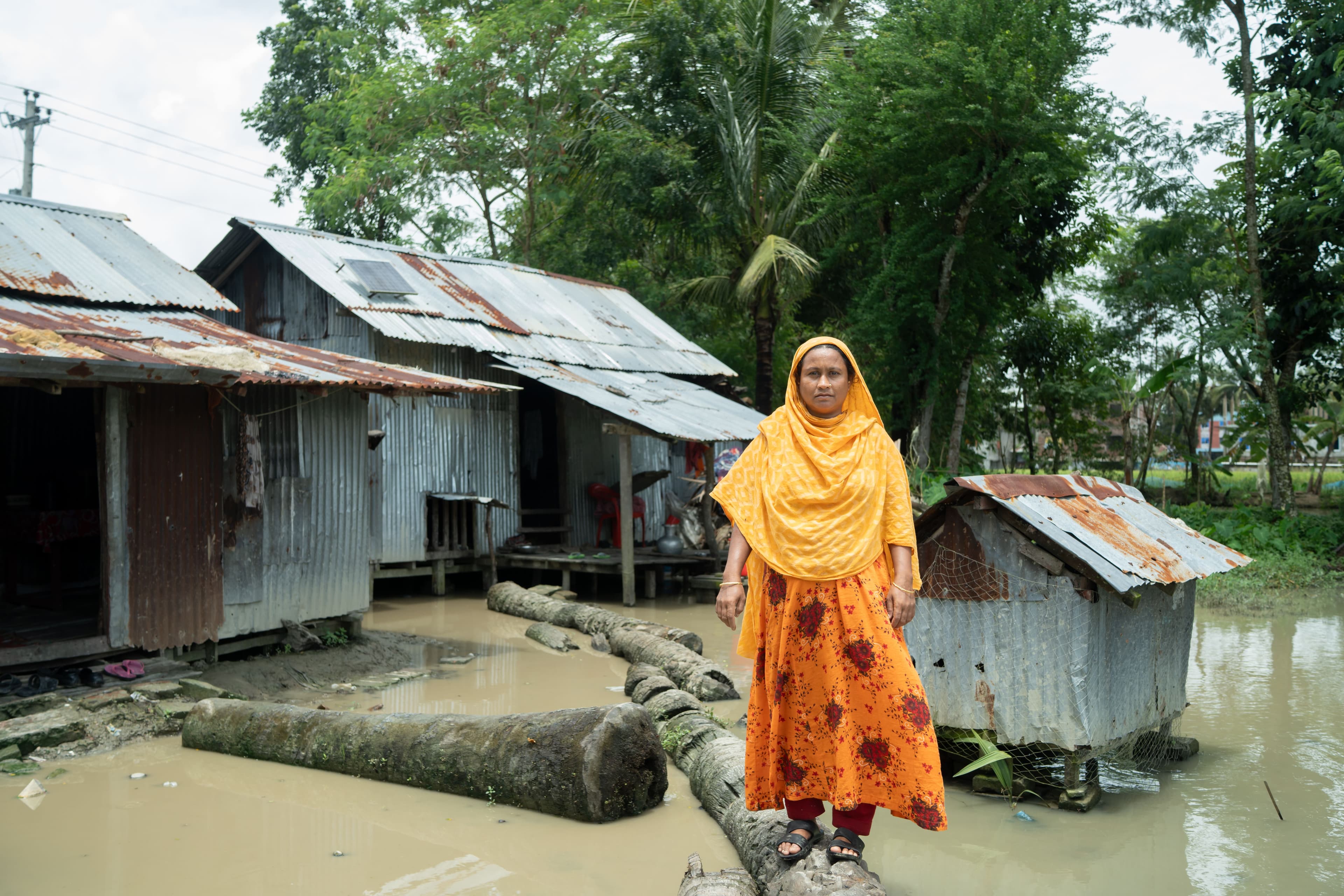
Across regions, water challenges differ. In Bangladesh, salinity intrusion is causing unavoidable stress, whereas groundwater depletion is prevalent in parts of South Asia and Africa, and urban water stress is increasing in rapidly growing cities. Ecological diversity requires differentiated, locally appropriate policy responses rather than uniform approaches.
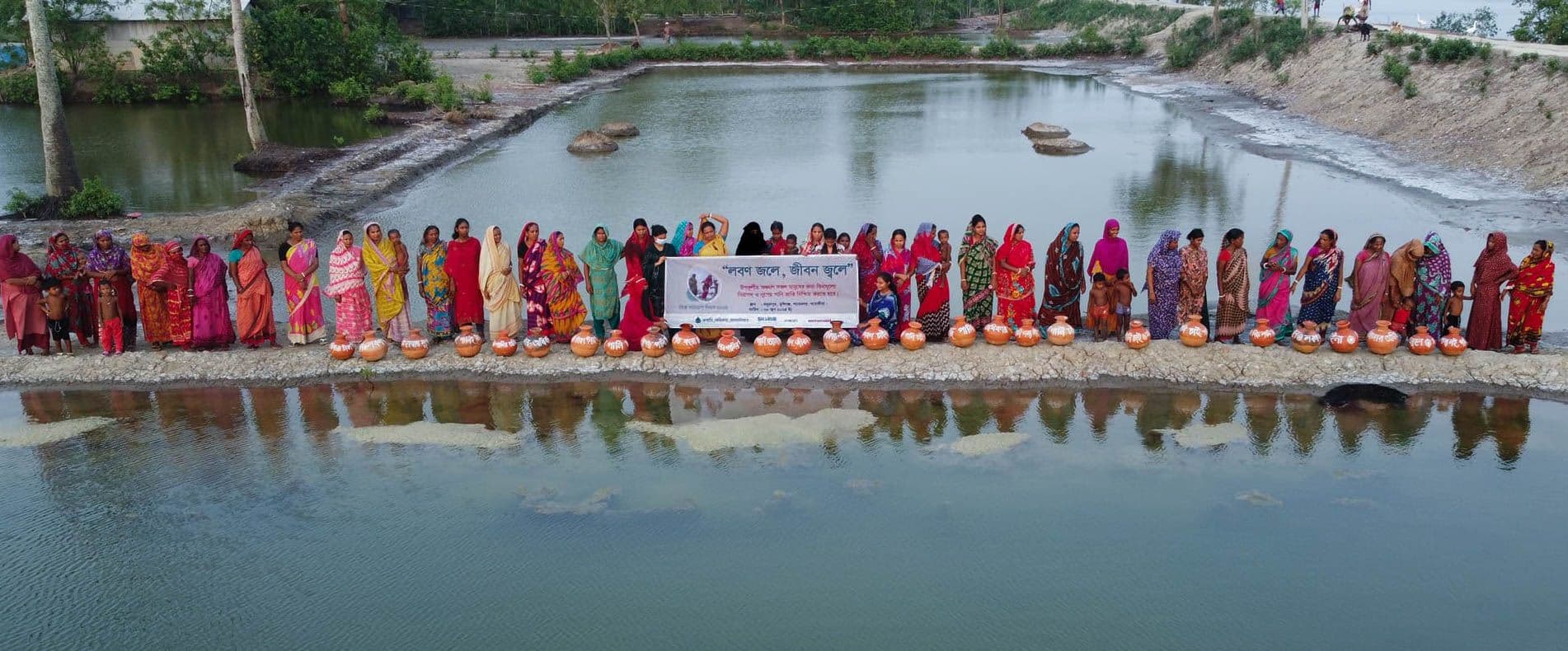
From Bangladesh to Kenya, Ethiopia to Nepal, programmes supported by ActionAid International demonstrate that when women are meaningfully included in decision-making, water systems perform better. Women-led community groups have strengthened rainwater harvesting, improved maintenance of local infrastructure, reduced conflict over scarce resources and increased accountability in water management. These are clear evidence of improved governance and service delivery.
In Bangladesh, women’s leadership in community-based water management helped improve access to safe drinking water and reduced the burden of water collection, particularly in climate-affected and underserved areas. These experiences highlight a critical policy insight: inclusive participation is not only equitable; it is effective.
For policymakers, three priorities stand out:
- Integrate water and energy planning to address rising costs and strengthen resilience amid global energy volatility
- Invest in decentralised, climate-resilient infrastructure, including solar-powered systems, rainwater harvesting, and locally managed storage
- Institutionalise women’s participation in water governance at all levels— community committees to national policy frameworks
- Prioritise locally led, community-driven solutions in climate and development financing mechanisms, especially in vulnerable regions.
Water security depends on the ability of governments to coordinate across sectors, manage external shocks and ensure inclusive governance. This requires infrastructure investment, institutional reform and sustained political commitment. In a world shaped by climate change, energy transitions and geopolitical instability, water systems must be treated as critical national infrastructure. Ensuring their resilience will require bringing women from the margins to the centre of water decision-making.
Farah Kabir, Country Director, ActionAid Bangladesh