Camp Coordination and Camp Management
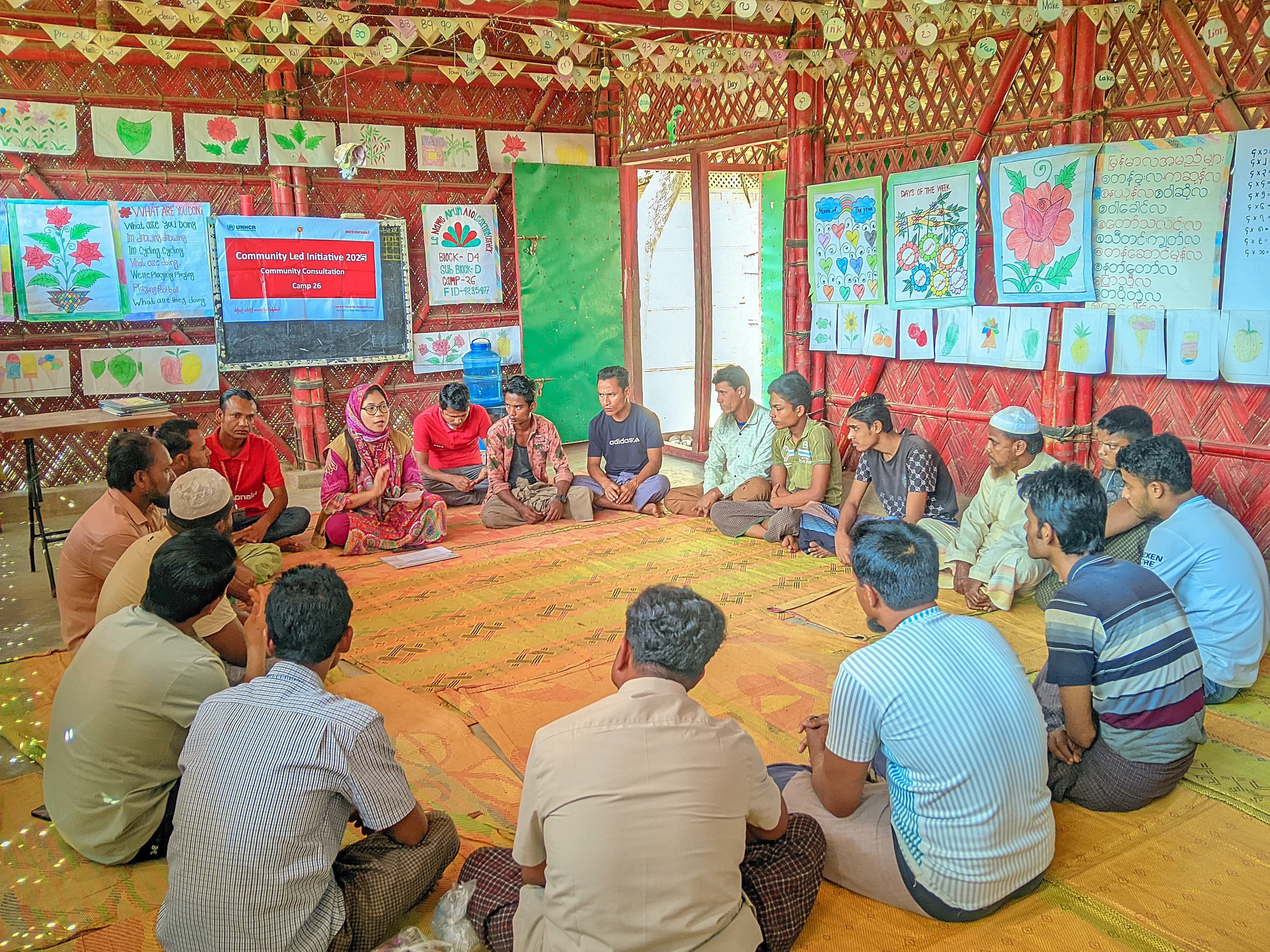
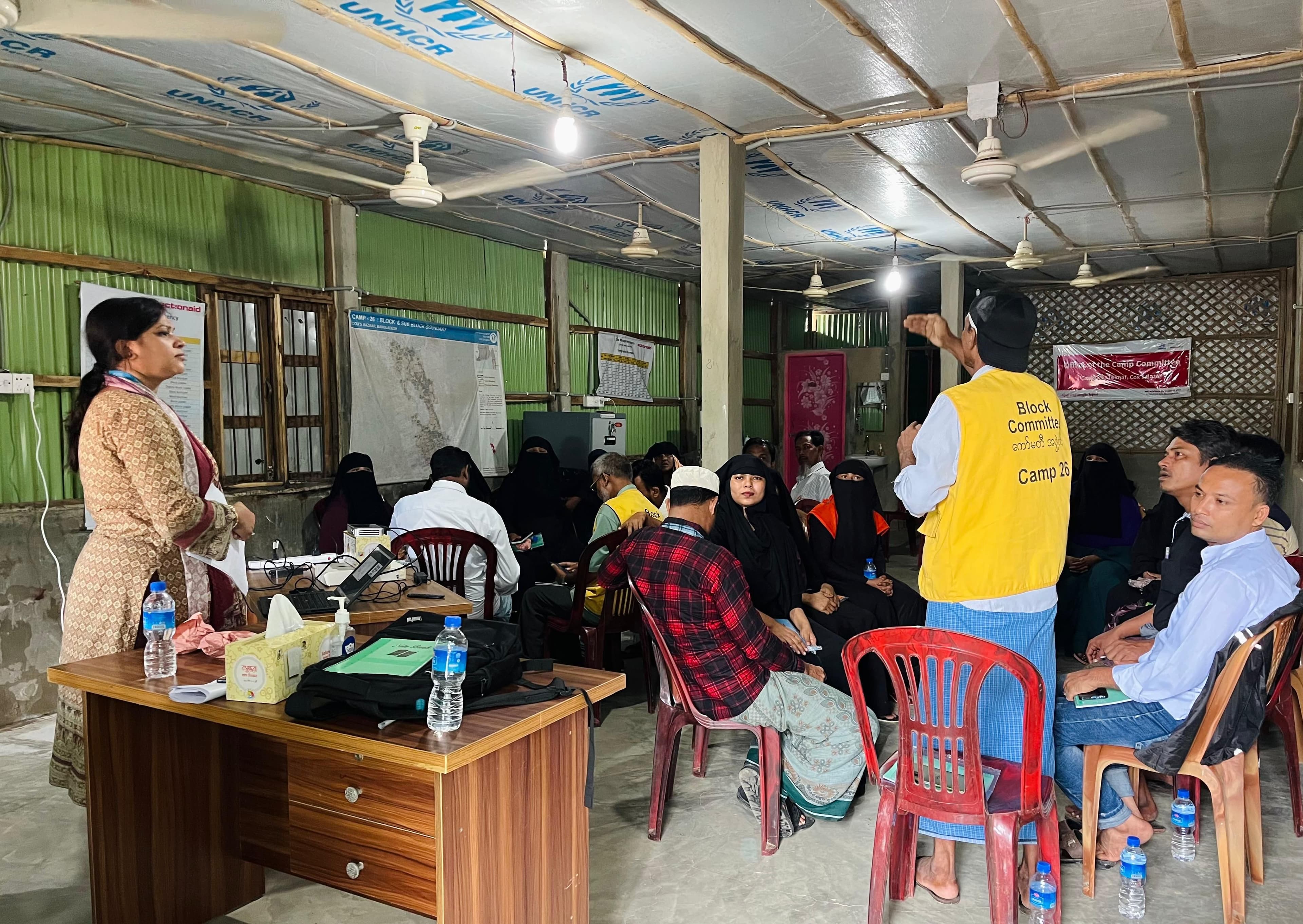
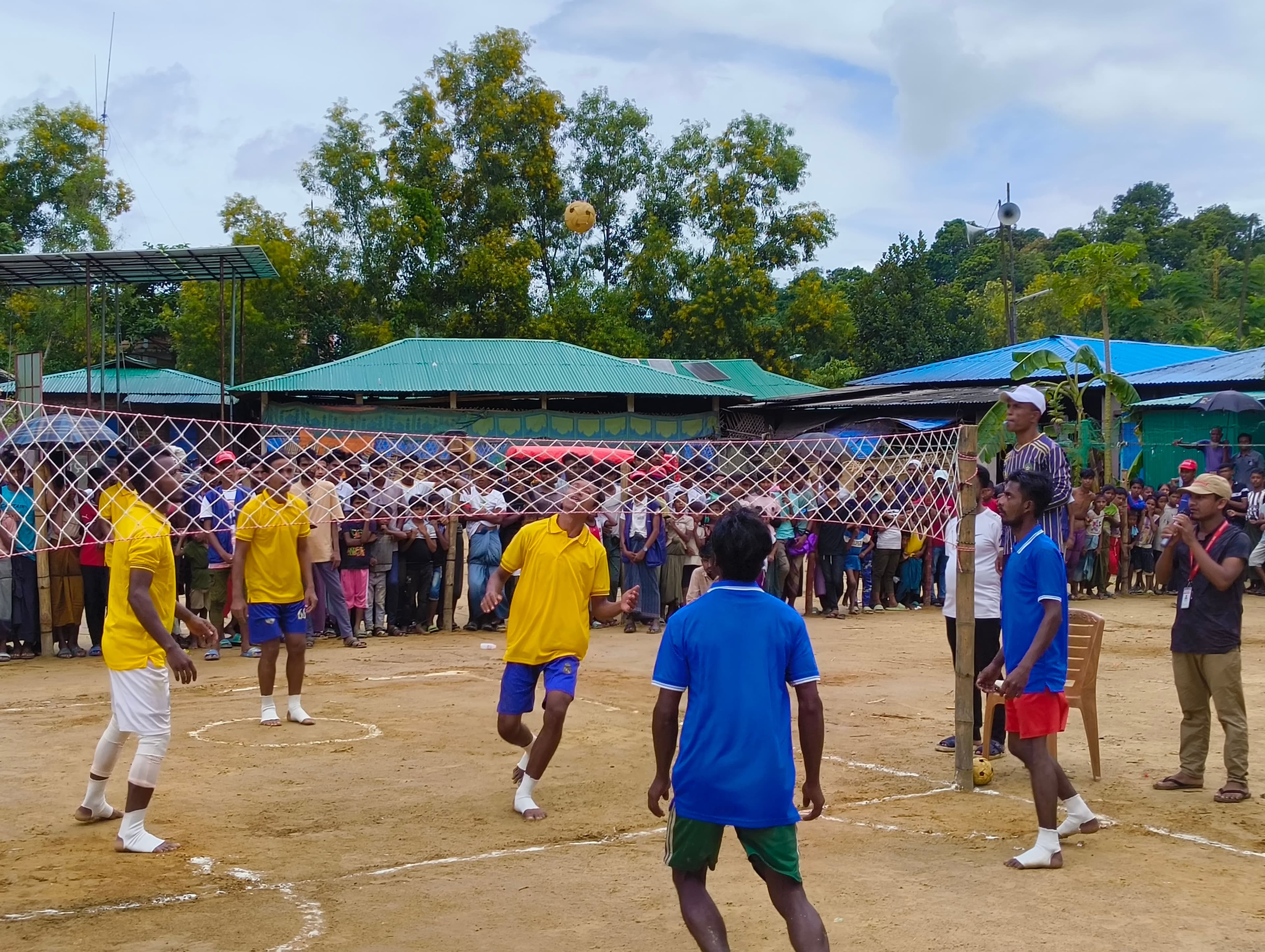
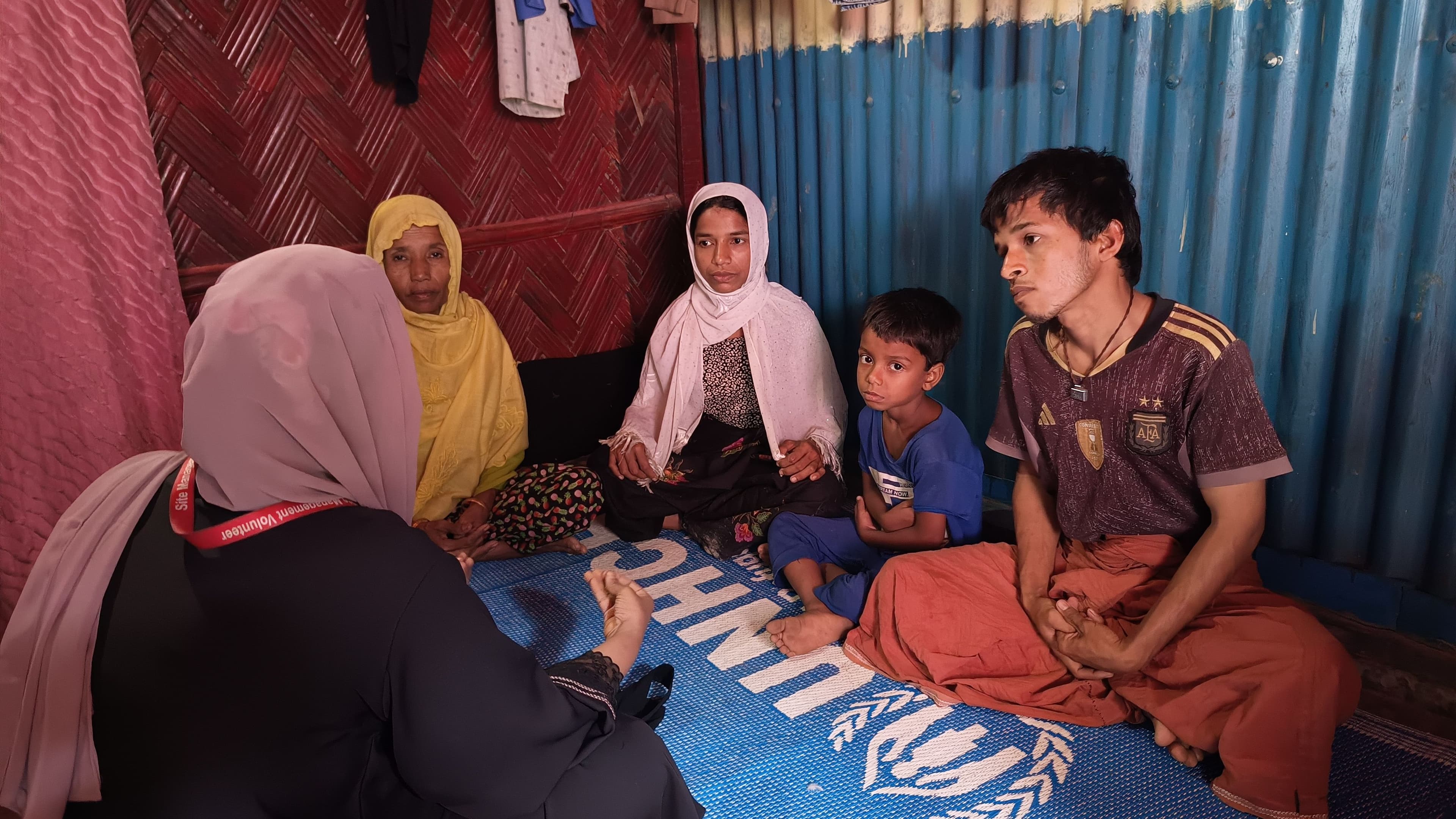
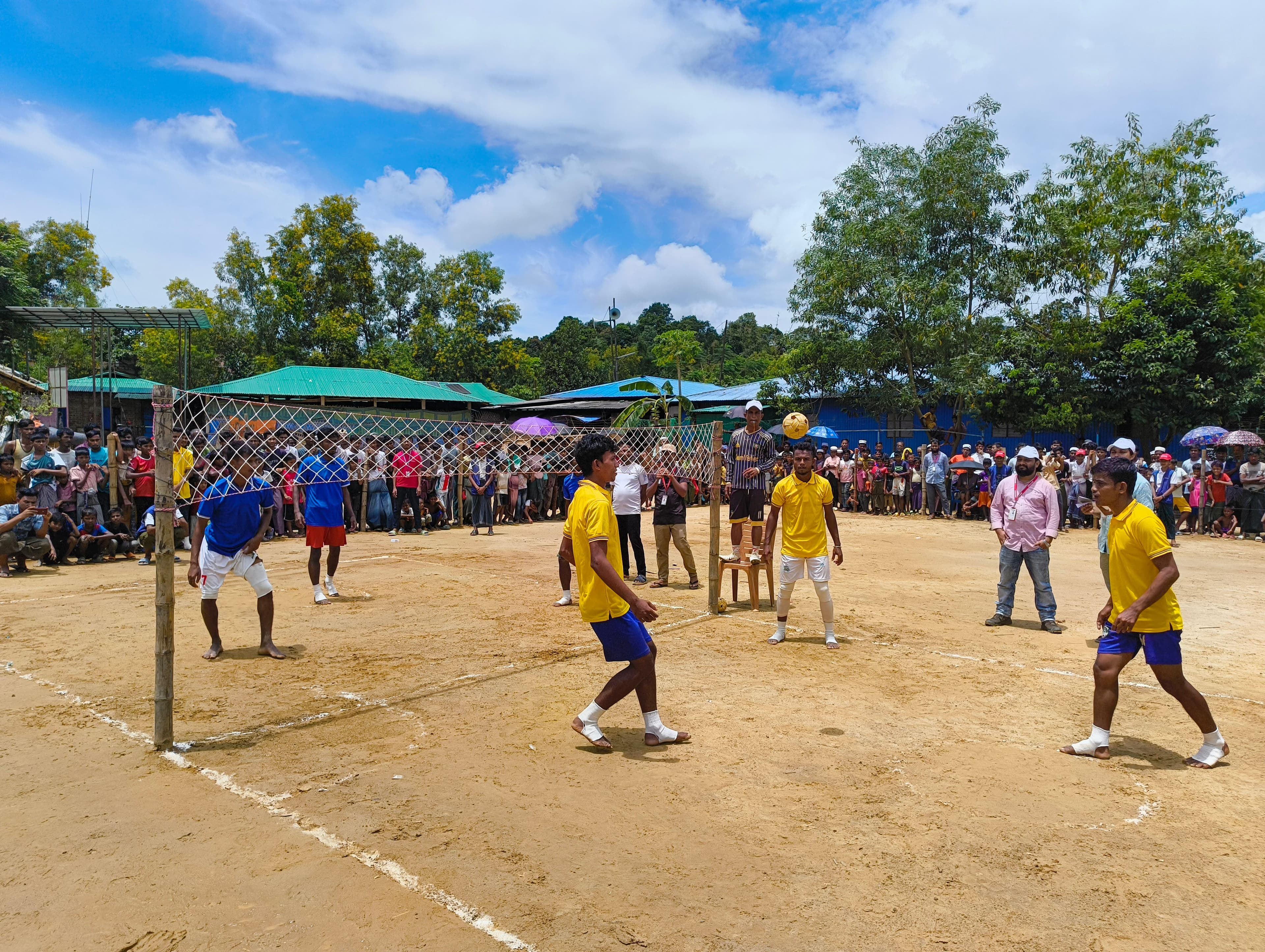
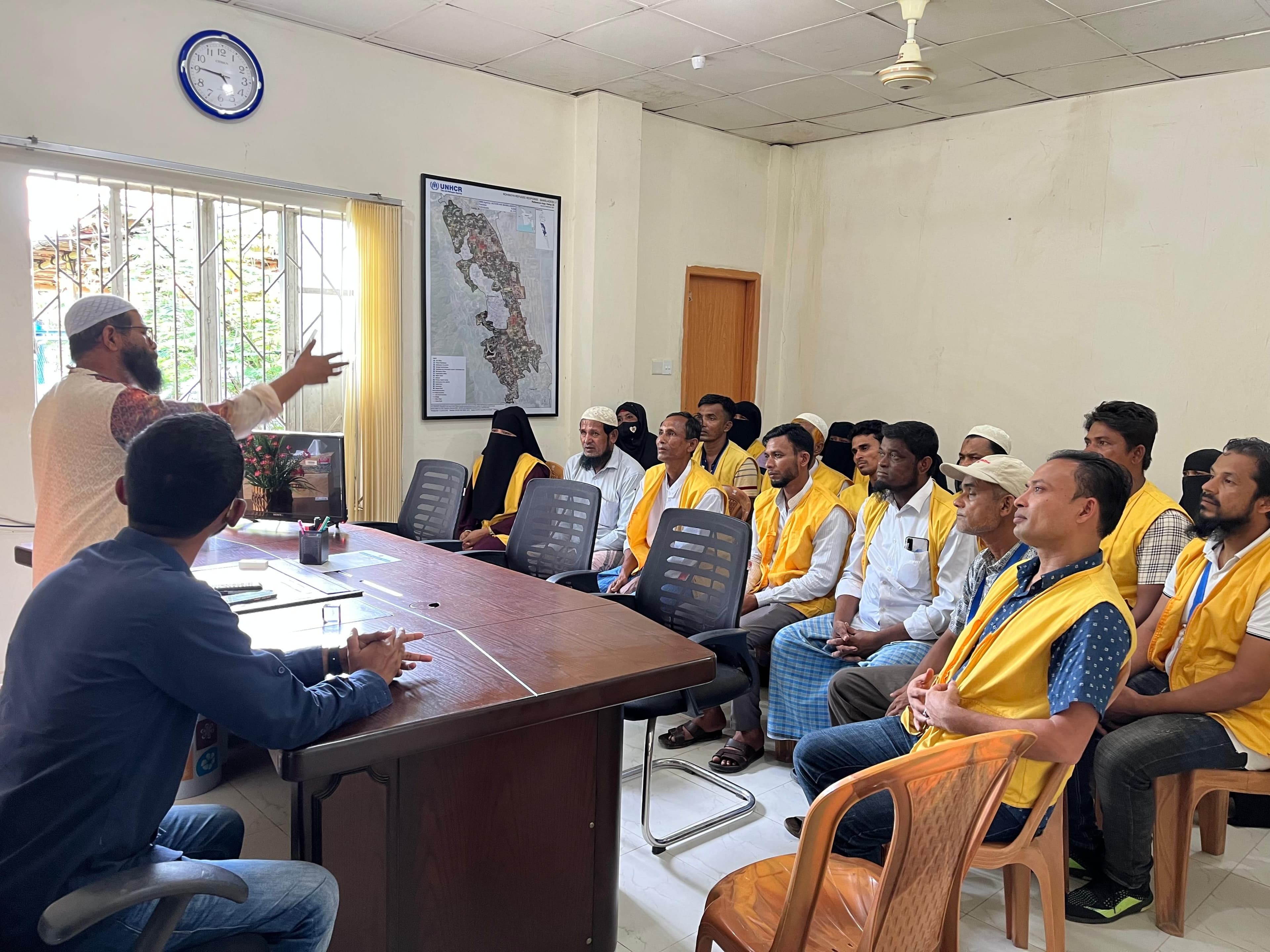
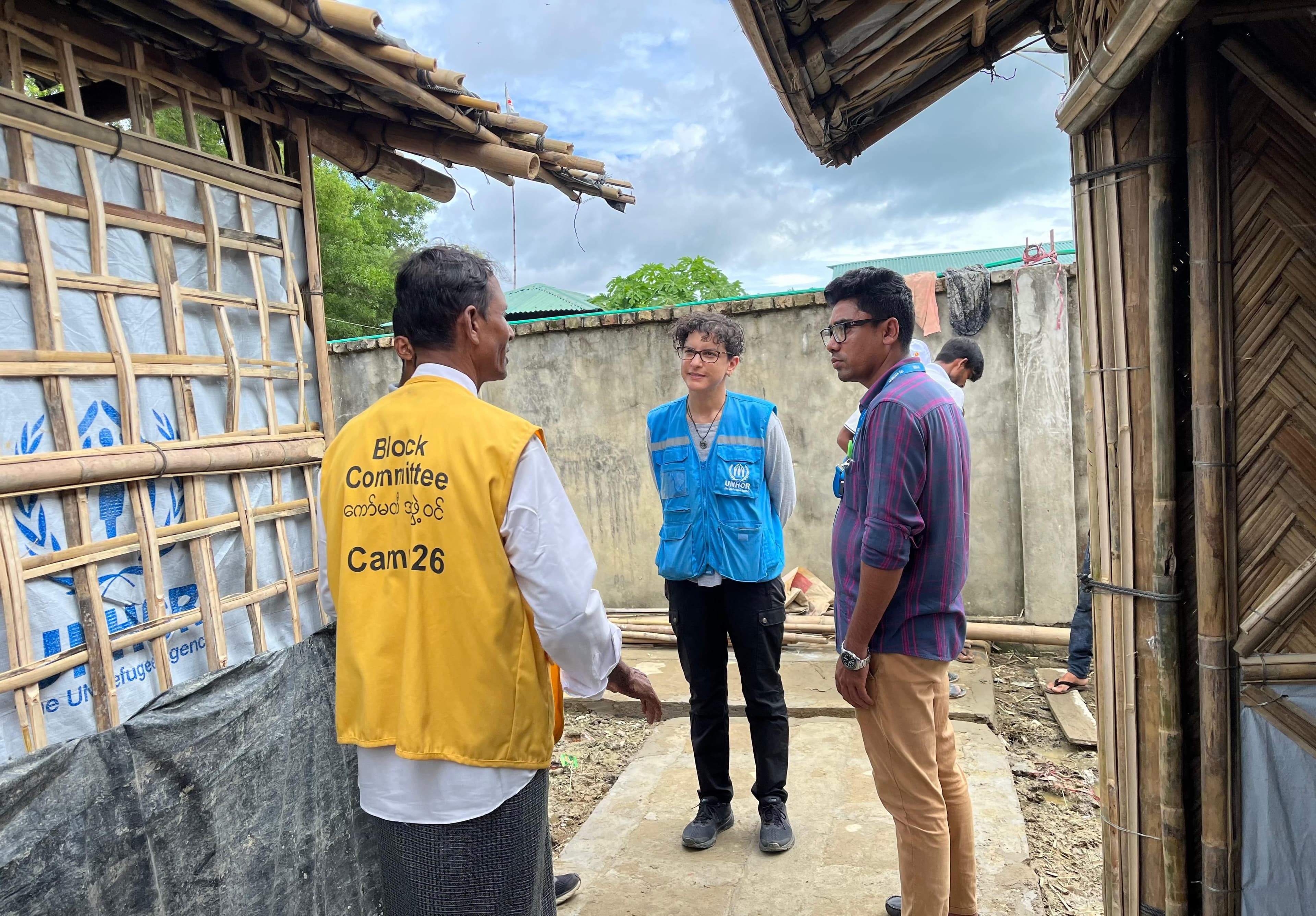
The Camp Coordination and Camp Management (CCCM) Project focuses on maintaining safe, organised, and dignified living conditions for Rohingya refugees in Camps 21, 26, 27, and Nayapara Registered Camp. Working closely with the Camp-in-Charge (CiC), UNHCR, and sector partners, the project facilitates regular camp-level and sector coordination meetings where operational gaps, protection concerns, and service delivery challenges are discussed openly. The presence of CiCs in these meetings ensures that community members can directly raise their needs and concerns, strengthening accountability, transparency, and collective problem-solving.
Community participation remains at the core of the project approach. Through thematic groups, camp committees, neighbourhood group meetings, and Disaster Management Committees (DMCs), refugees are actively involved in planning and decision-making processes. Special attention is given to Age, Gender, and Diversity (AGD) considerations to ensure that women, men, youth, elderly persons, and individuals with specific needs are meaningfully included. Updated camp profiles, service maps, and site risk assessments support evidence-based planning and coordinated action among partners.
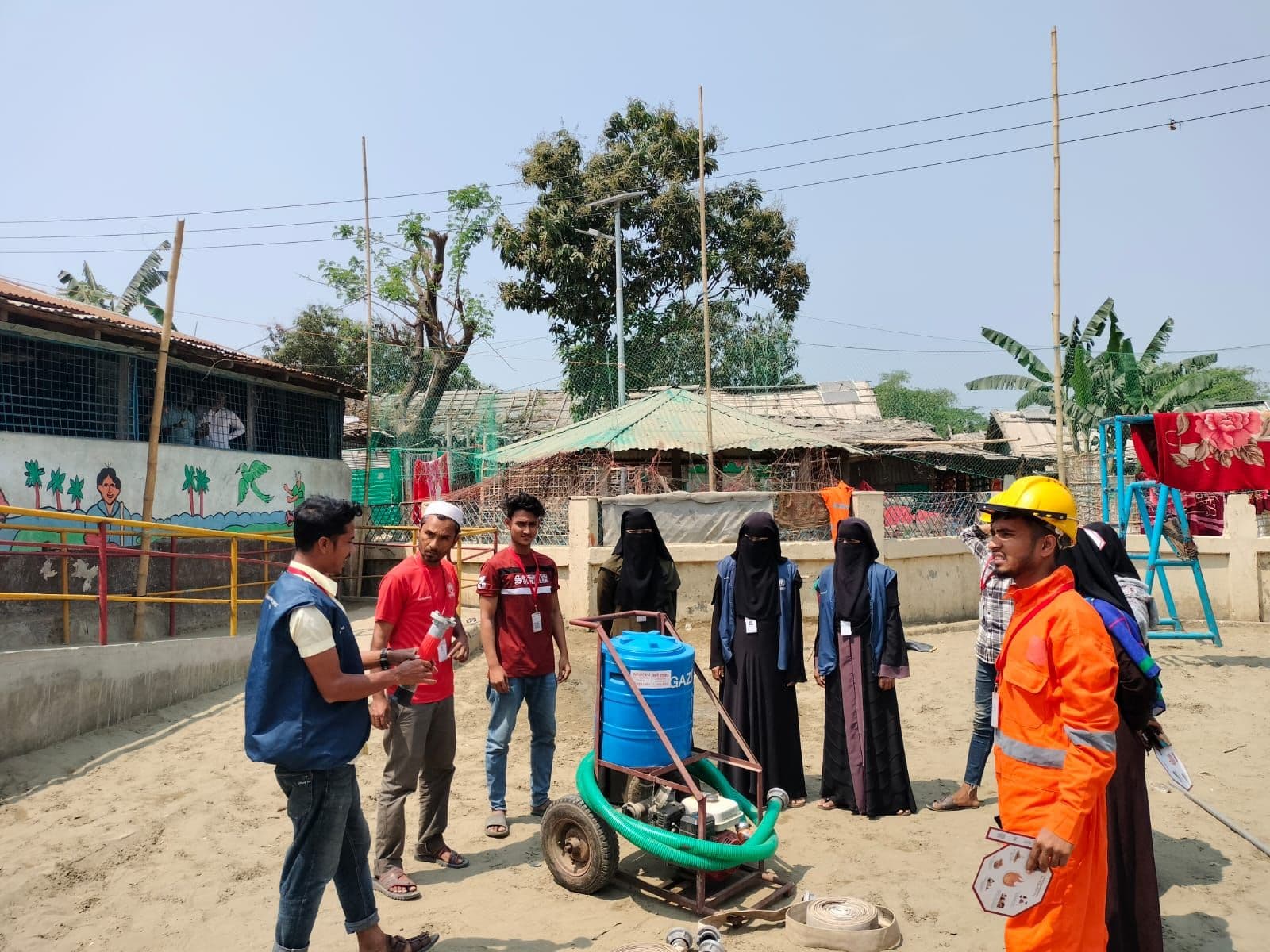
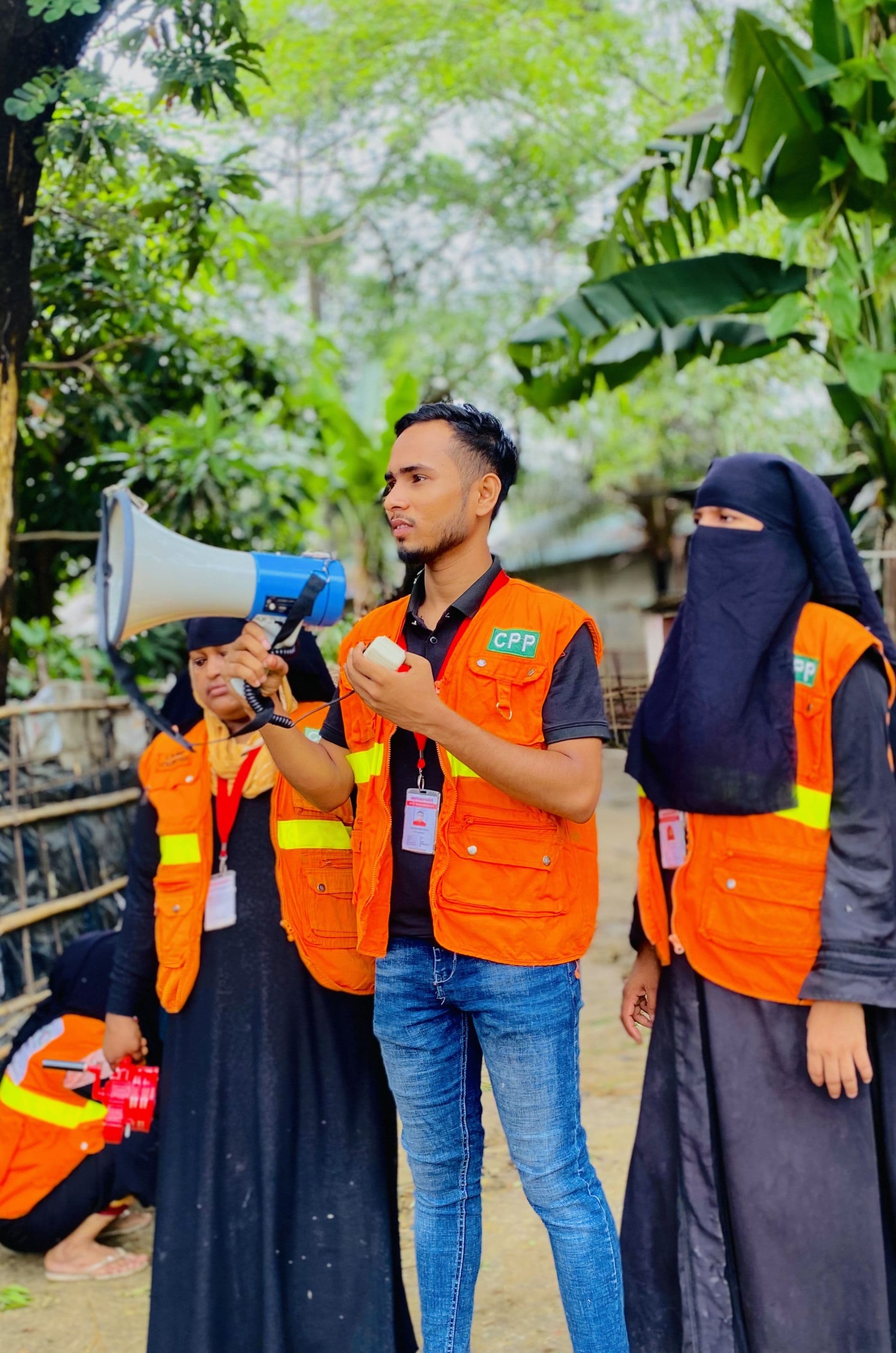
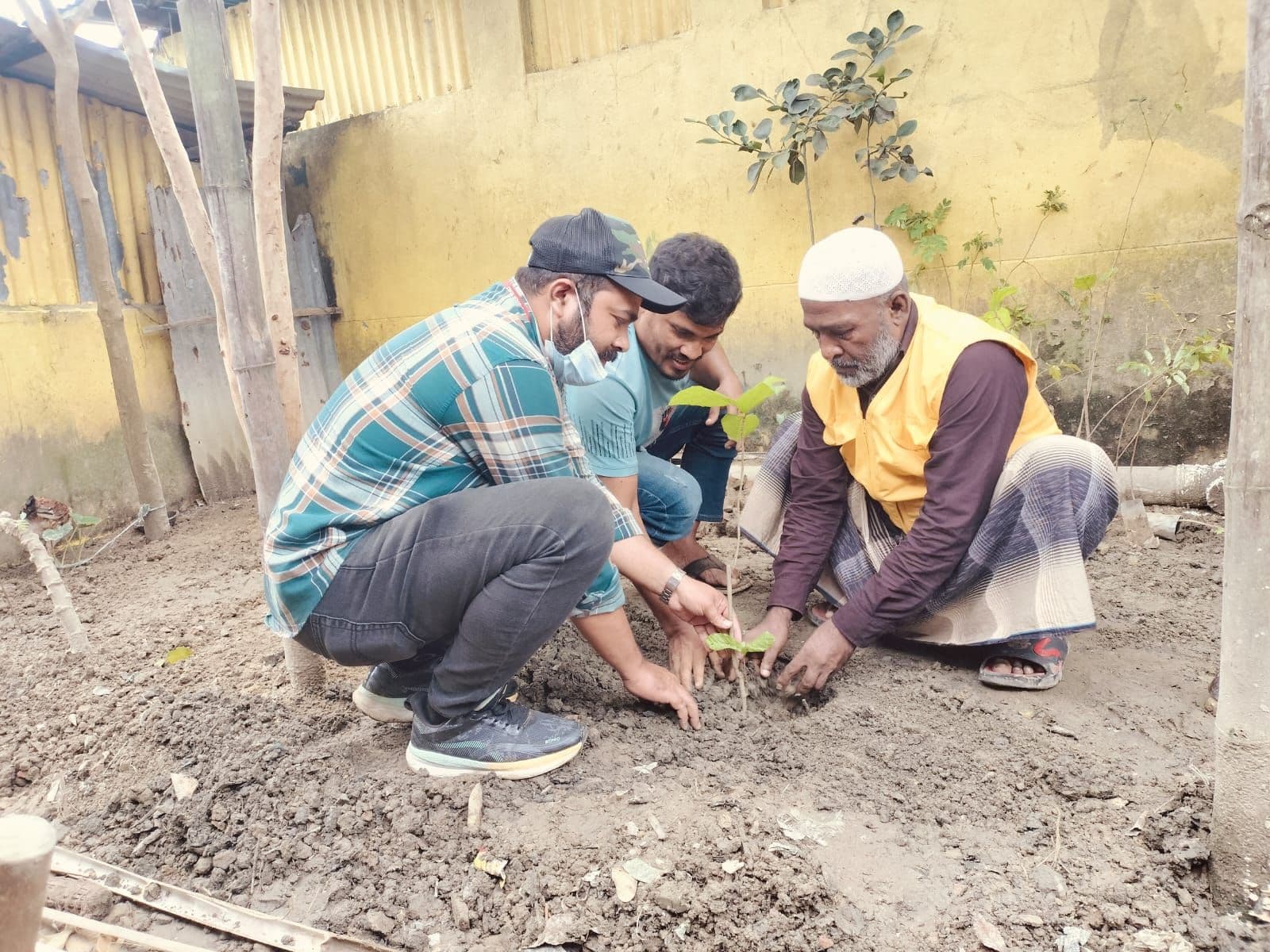
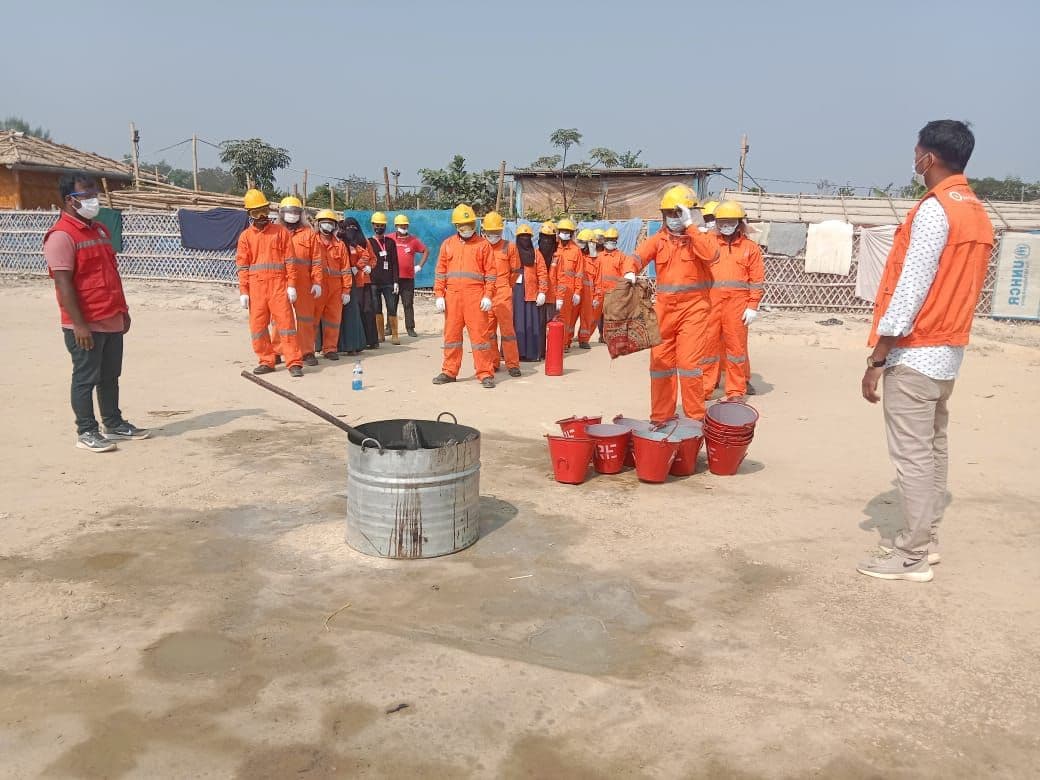
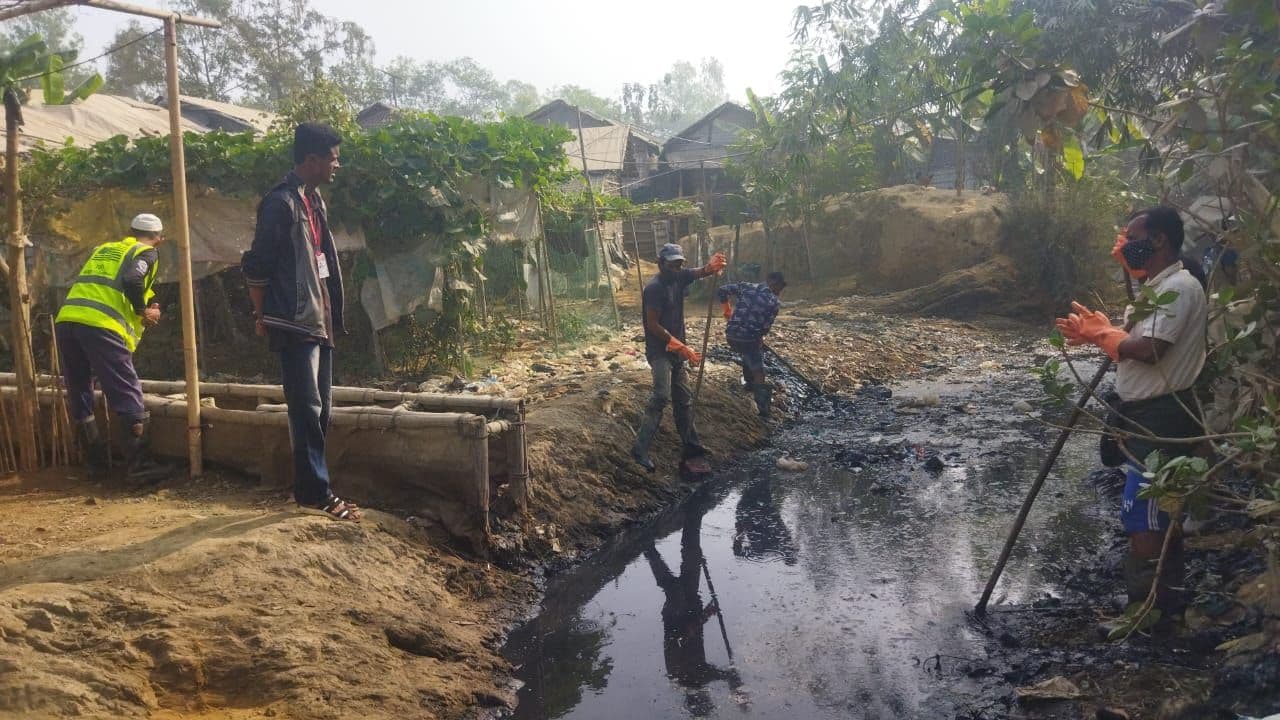
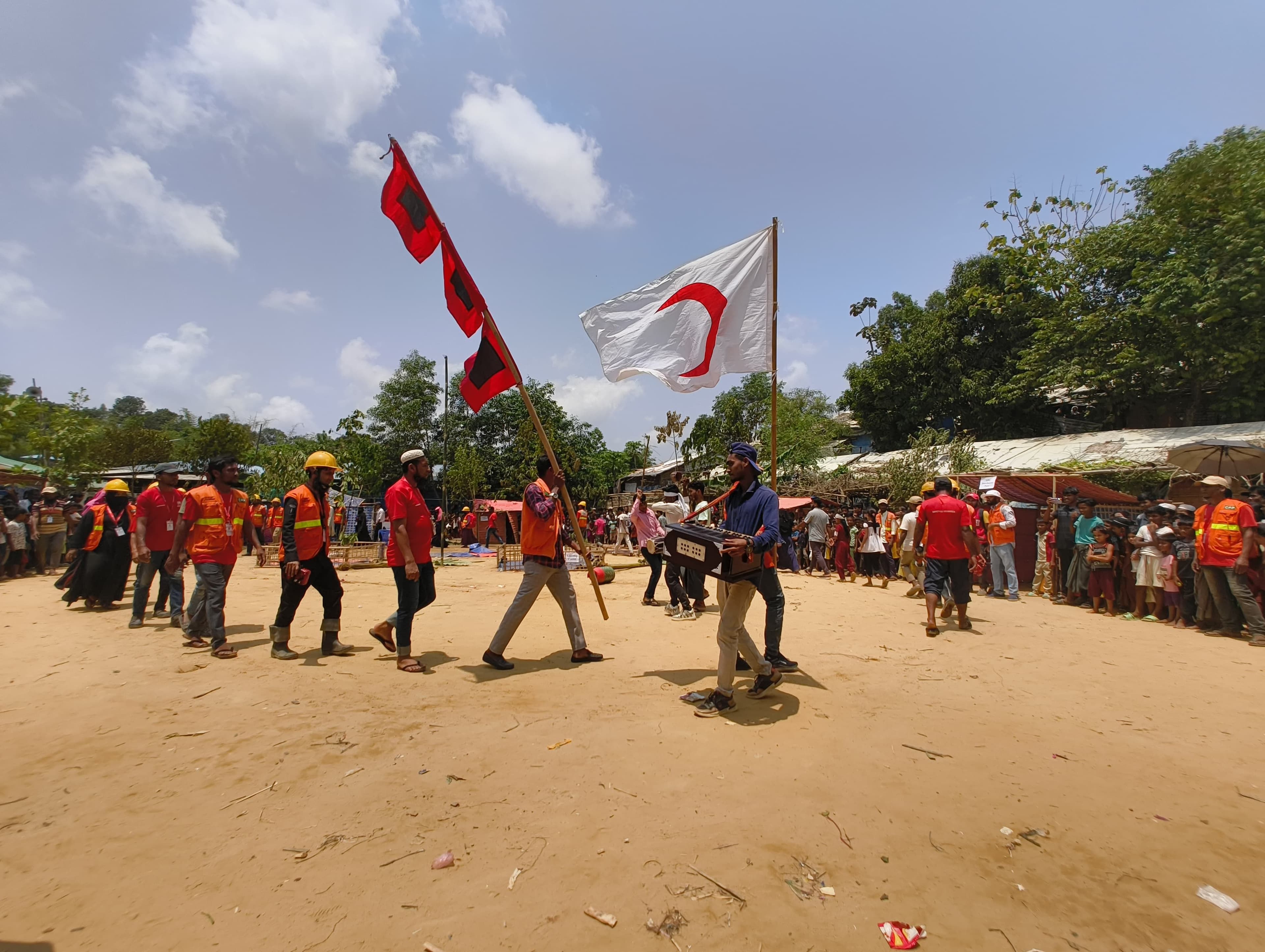
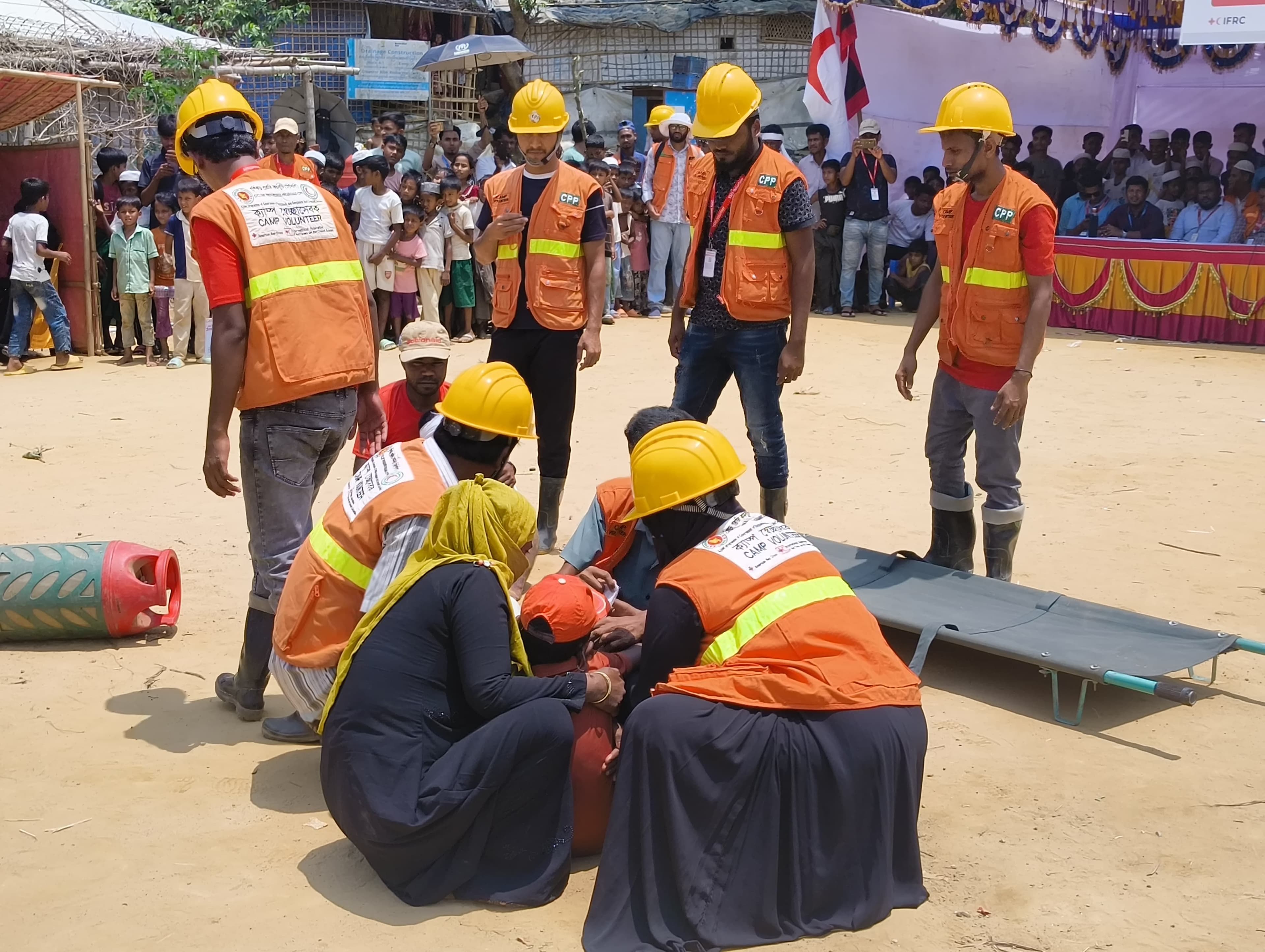
The project further strengthens disaster preparedness and risk reduction through contingency planning, fire and cyclone drills, awareness sessions, and volunteer mobilisation. Care and maintenance initiatives, drainage cleaning, waterbody fencing, and other community-led activities contribute to improved environmental health and reduced hazard exposure. By combining structured coordination with strong community engagement, the CCCM project promotes resilience, shared responsibility, and sustainable camp management in a protracted humanitarian context.
Project Key Outputs
• Strengthened structured coordination through 48 camp-level meetings and 320 sector coordination meetings, engaging 126 agencies across four camps. CiCs were present in these platforms, where community members directly shared needs and gaps, ensuring responsive follow-up and improved accountability.
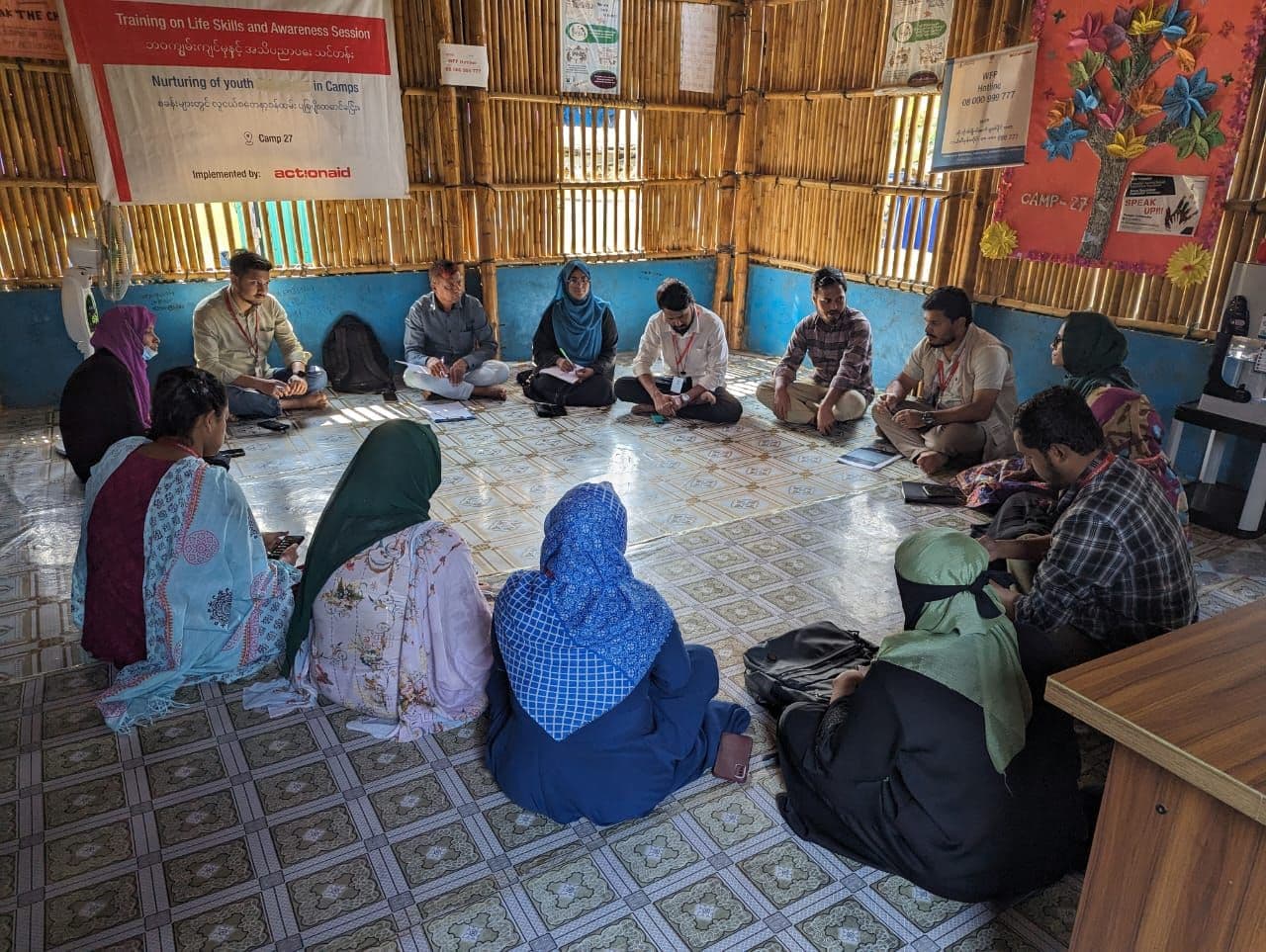
• Reinforced inclusive governance by facilitating 8,699 Neighborhood Group meetings, 200 thematic meetings, 39 AGD meetings, and 48 camp committee meetings. These forums enabled broad-based participation and strengthened community representation in camp-level decision-making.
• Ensured AGD mainstreaming across all outputs, reaching 92,089 individuals through community-led initiatives with disaggregated participation. Women, men, youth, elderly persons, and persons with specific needs were actively engaged in planning and implementation processes.
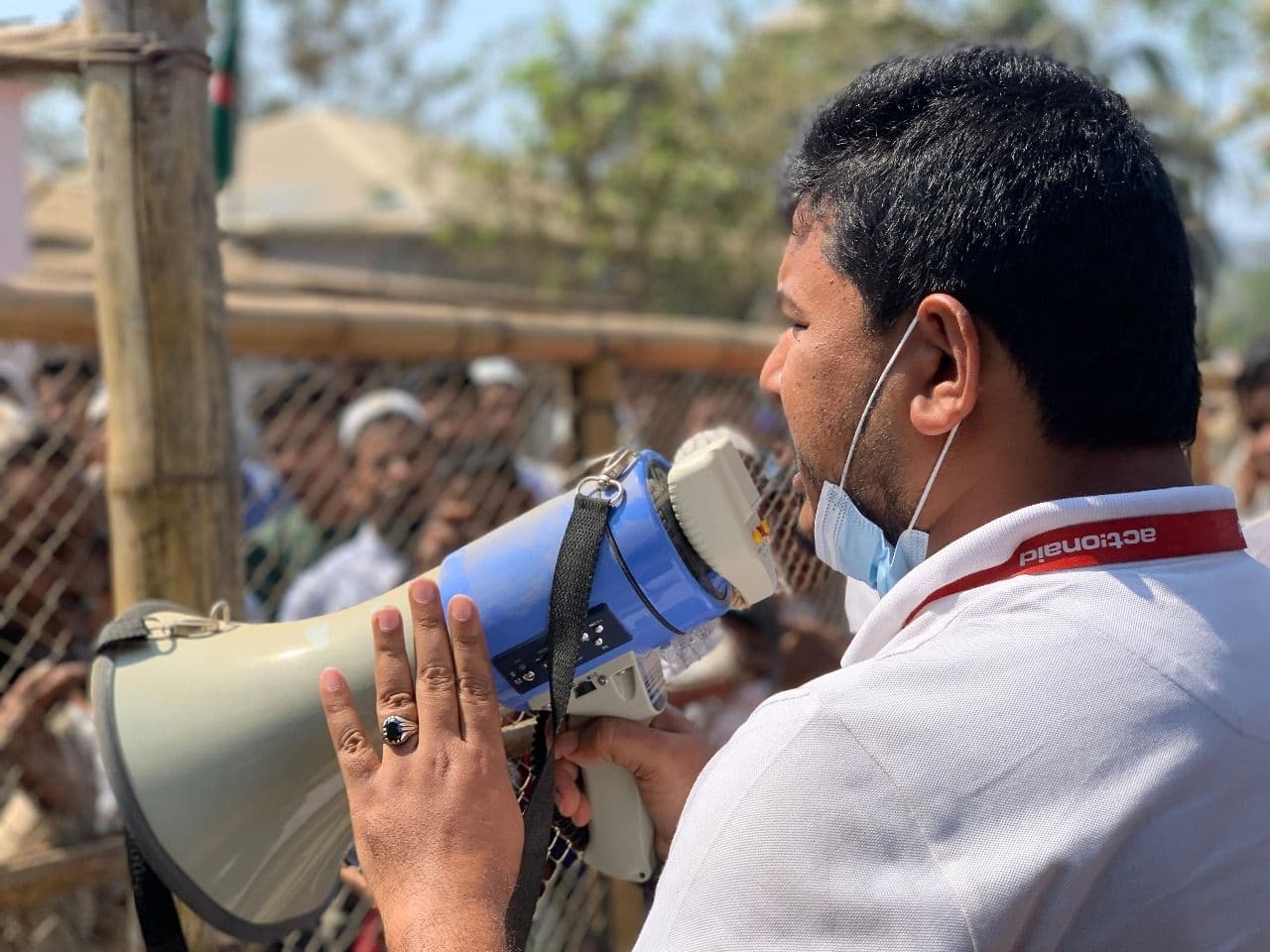
• Reached 166,724 individuals through awareness sessions (including EPR) and 91,988 individuals through regular awareness sessions, improving knowledge on protection, service access, fire safety, and disaster preparedness.
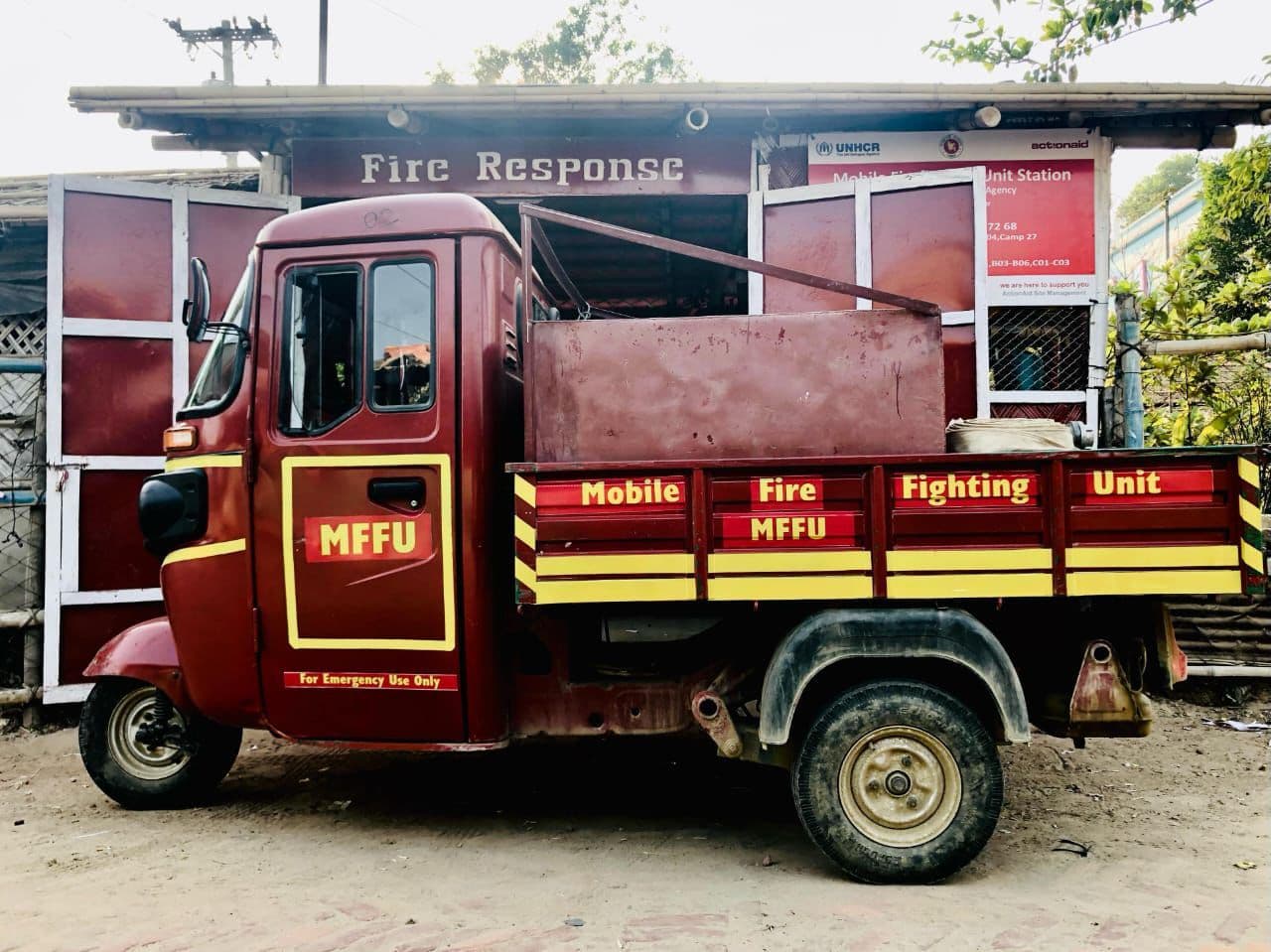
• Enhanced disaster readiness through 115 fire and emergency drills, 33 cyclone preparedness drills, 4 updated multi-hazard contingency plans, and response to 59 fire incidents, strengthening early warning, evacuation, and first-response capacity.
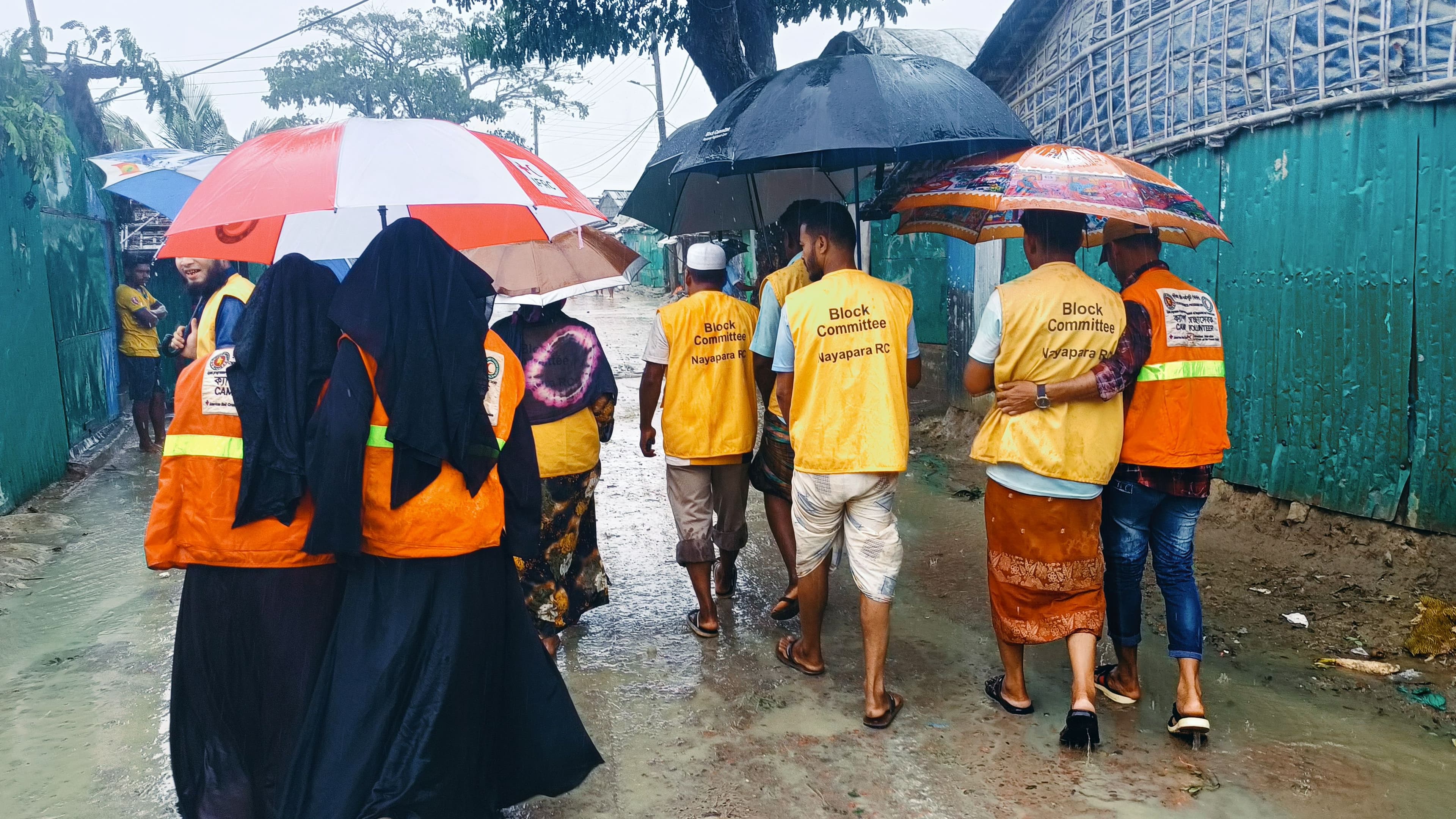
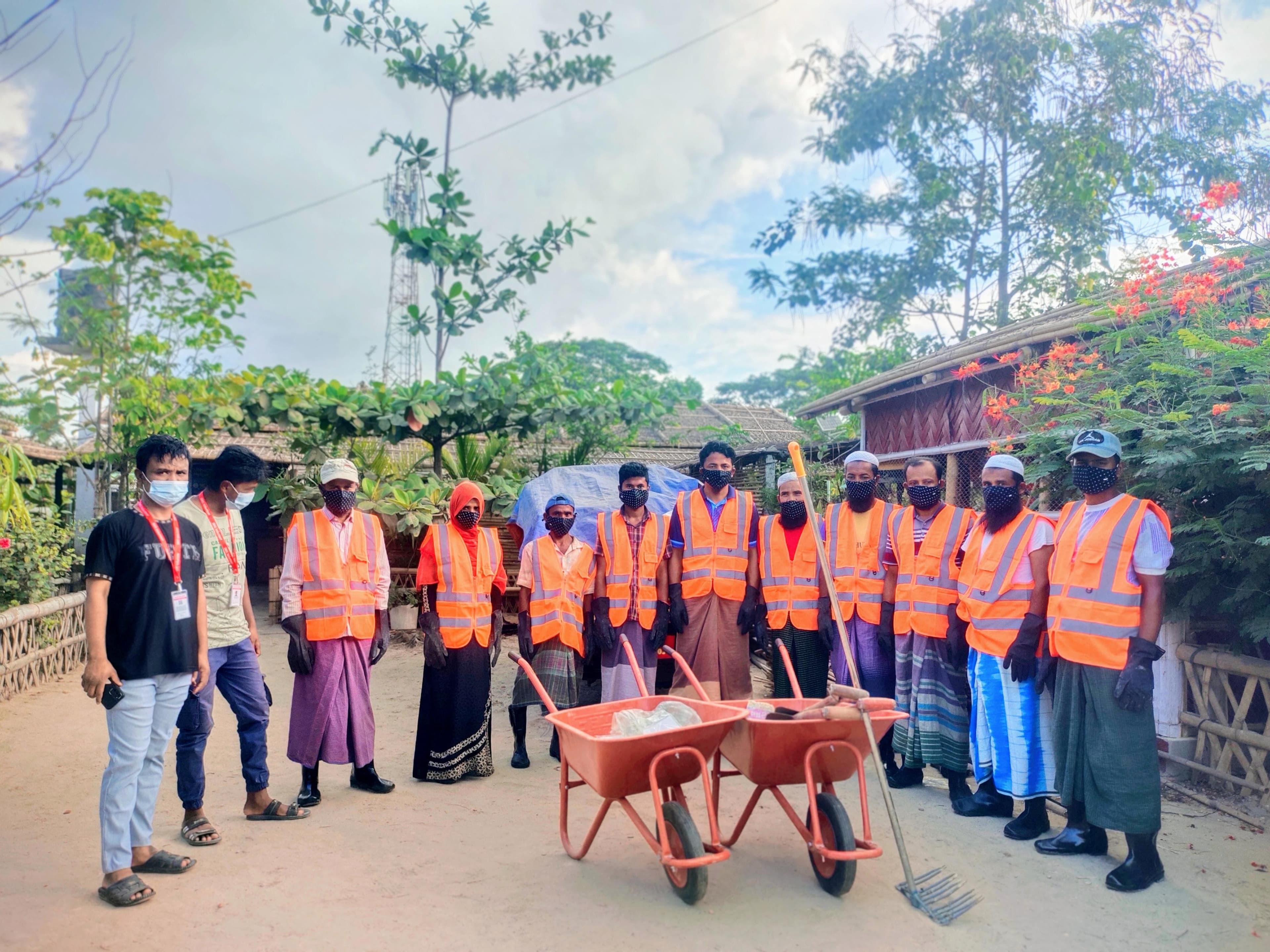
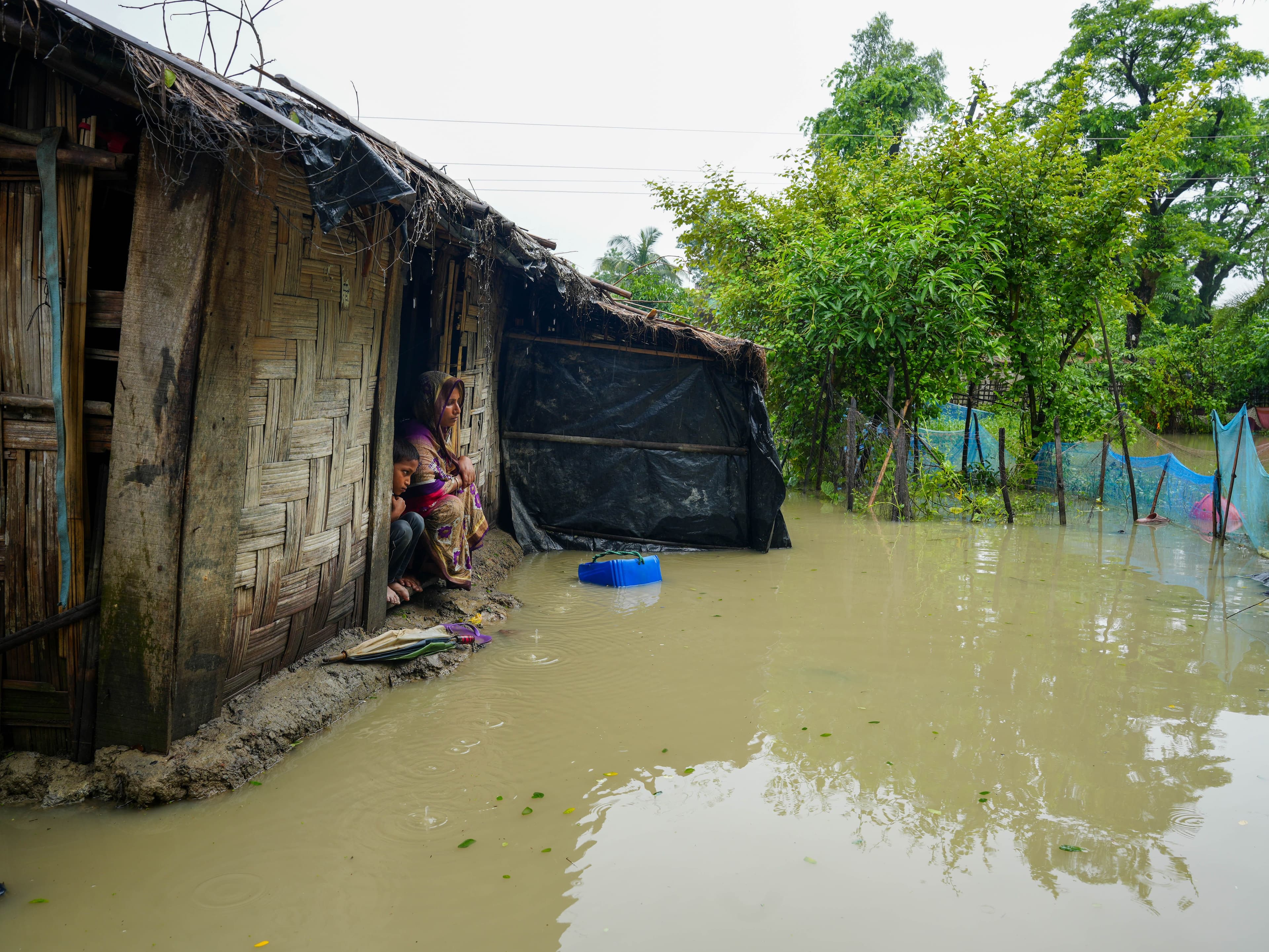
• Improved environmental safety by cleaning 38,420 meters of primary drains, fencing 50 waterbodies (3,327 meters total length), and relocating 1,740 individuals during monsoon emergencies, reducing flood risks and protecting vulnerable households.
• Implemented 361 care & maintenance interventions and converted 83 unauthorized dumping sites into green spots, improving camp hygiene, environmental management, and overall living conditions.
• Engaged 2,154 individuals in Cash-for-Work activities, while training 459 persons on Gender/Protection/PSEA standards and mobilizing 381 volunteers supporting camp management functions.
• Established and strengthened community structures including 12 thematic groups and trained 62 elected camp committee members, building governance capacity and promoting accountability at camp level.
• Updated and shared 48 camp profiles and service maps, and conducted 4 site risk assessments, ensuring evidence-based planning and improved inter-sector coordination aligned with community priorities.
Impact Stories
Featured News

Project Gallery