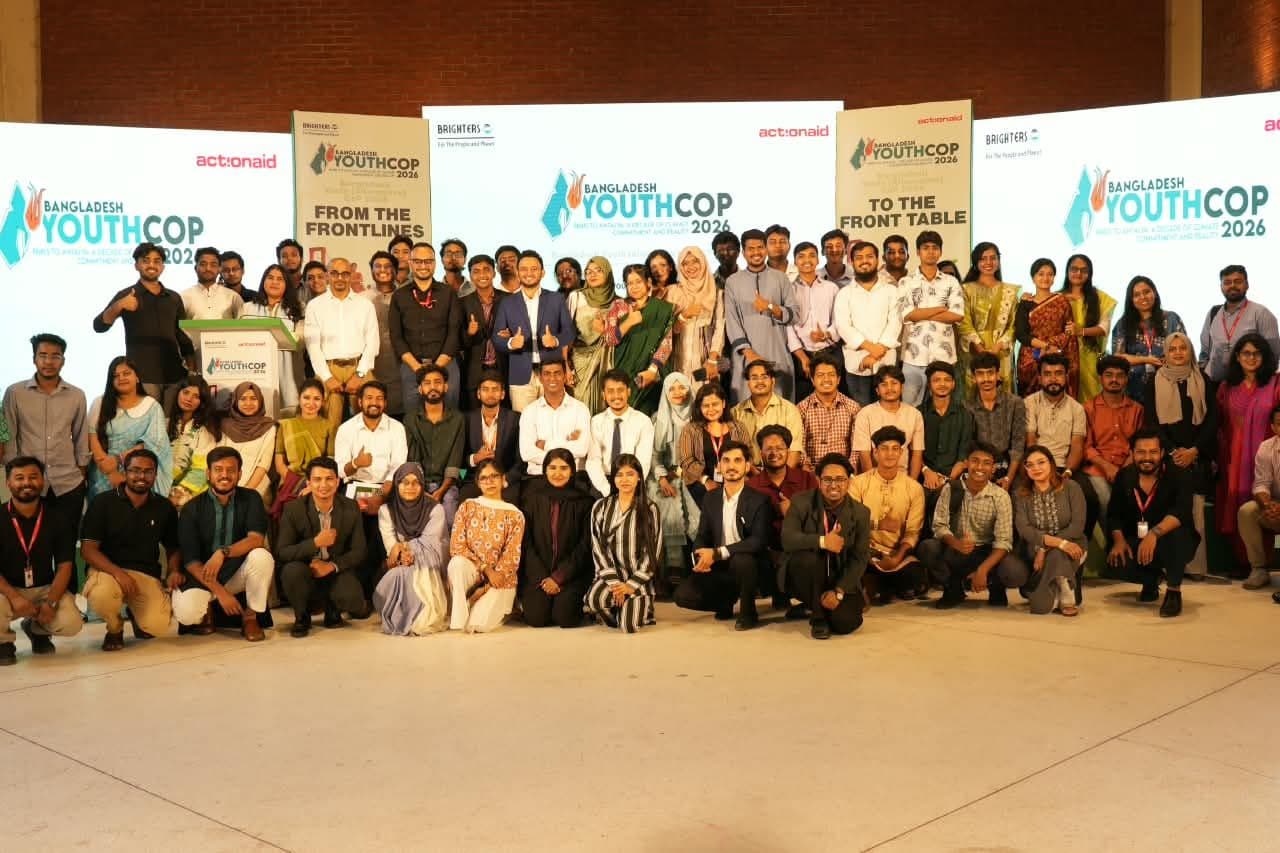
Dhaka, 22 September 2026: More than a hundred young climate activists have unveiled a 20-point charter ahead of the upcoming UN climate conference COP31 in Türkiye, calling for the realities and demands of climate-affected communities to be reflected in Bangladesh’s national policies. At the same time, the Youth Climate Position Paper 2026, developed based on the demands of young people from all 64 districts and the lived experiences of people in climate-vulnerable areas, was handed over to the Ministry of Environment, Forest and Climate Change.
The charter was formally unveiled and the position paper handed over at the closing ceremony of the four-day Bangladesh Youth COP 2026, organised jointly by ActionAid Bangladesh and Brighters at a venue in Tejgaon, Dhaka, on Tuesday. The position paper prioritises seven key areas: climate mitigation; locally led adaptation; loss and damage and climate finance; technology transfer; climate education and awareness; gender equality and social inclusion; and youth leadership in policymaking.
The theme of this year’s conference was “Paris to Antalya: A Decade of Climate Commitments and Realities.”
The position paper was developed through consultations with young people from all 64 districts as well as marginalised communities living in climate-vulnerable areas. The process included focus group discussions, storytelling sessions, participatory mapping and community scorecards. The paper also draws on the views of affected people from seven specific climate-vulnerable areas and three years of research conducted across six vulnerable clusters.
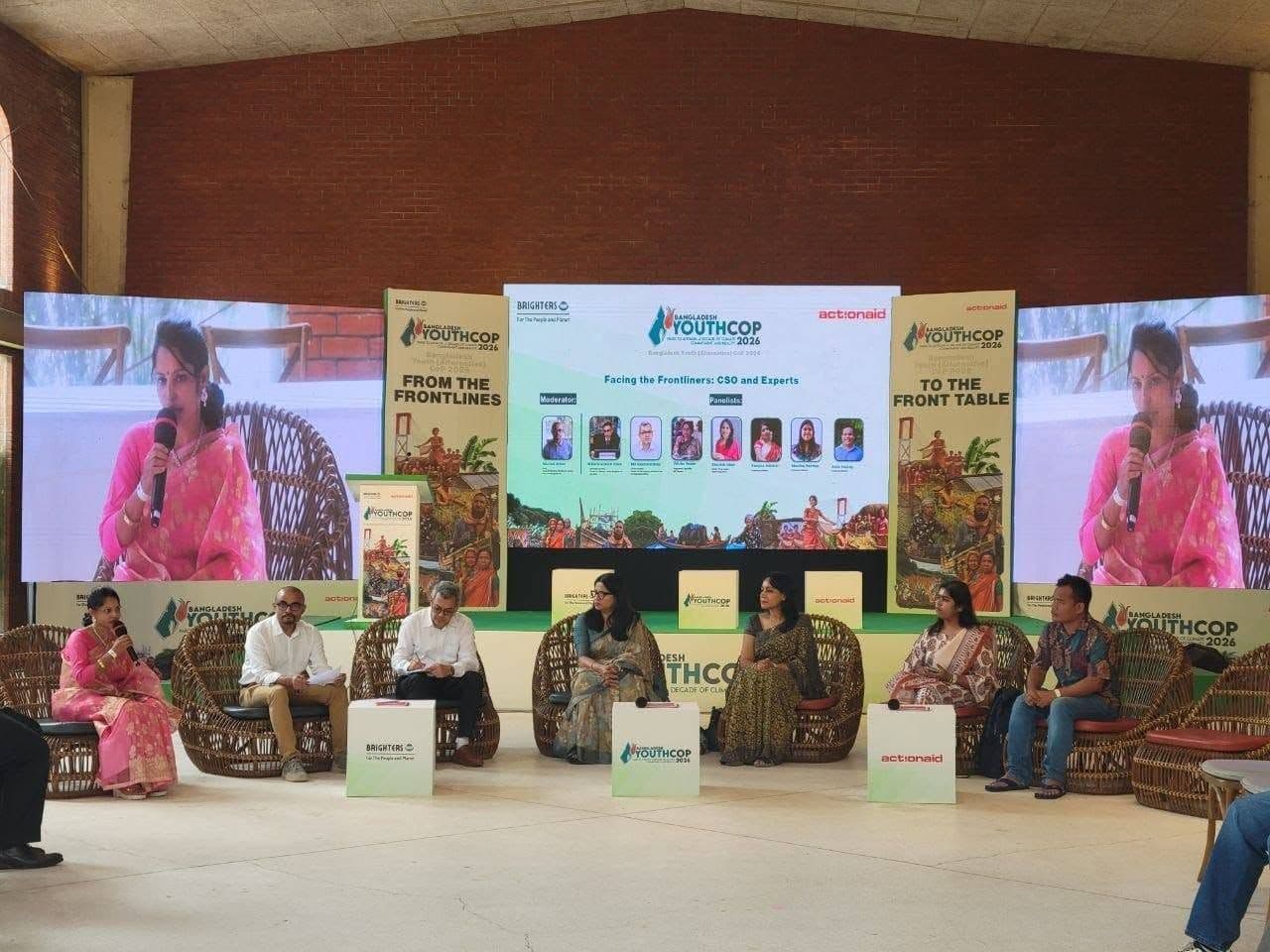
The first session of the closing day, titled “Facing the Frontliners: CSOs and Experts”, featured Supreme Court lawyer and CCJ-B Director M Hafizul Islam Khan, CPRD Chief Executive Md Shamsuddoha, UNDP’s Sharmin Islam, UN Women’s Dilruba Haider and representatives from marginalised communities. The session was moderated by Md Nazmul Ahsan, Lead, Youth, Resilience and Climate Justice, ActionAid Bangladesh.
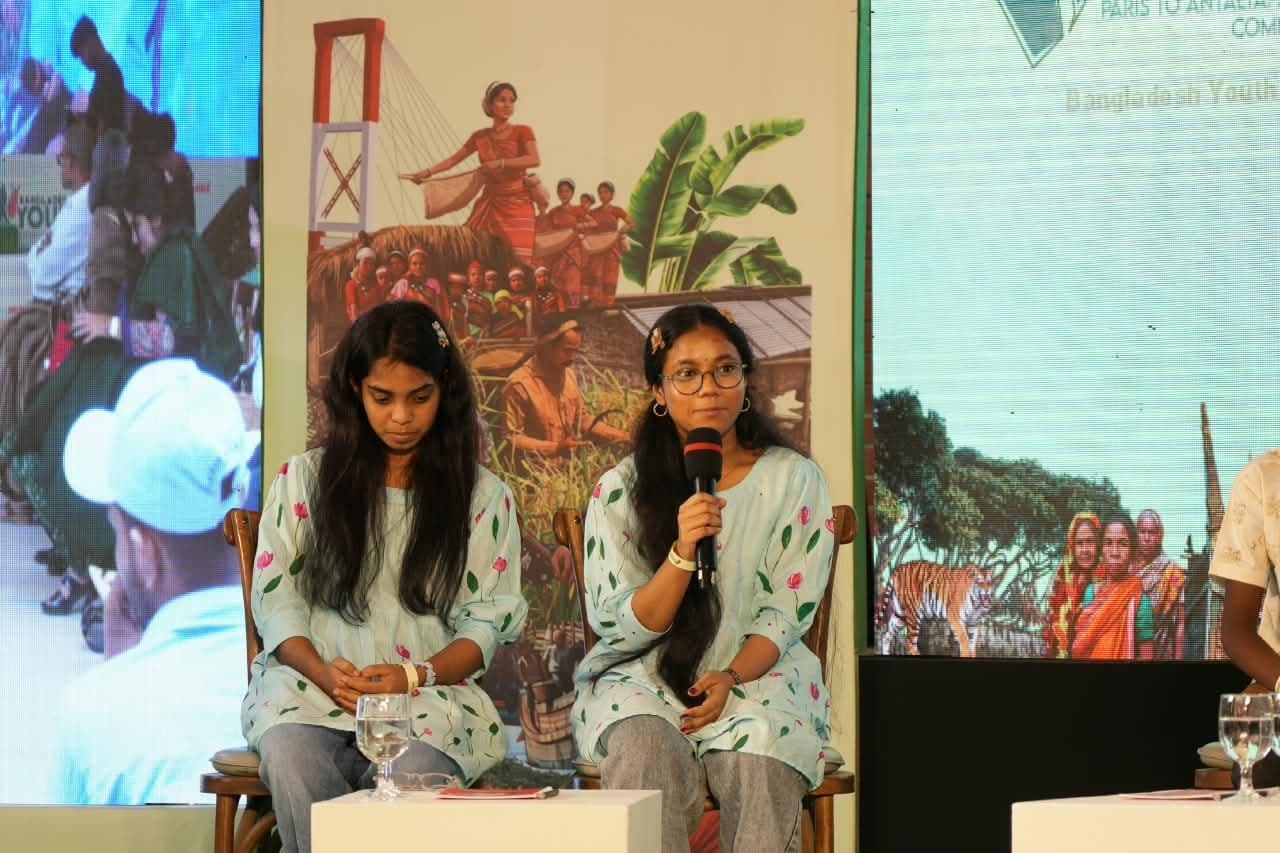
Later, in the “Children’s Voice on Climate” talk show, marginalised children and children from Happy Home shared their concerns about the impacts of climate change and their future. The session was moderated by Ahmed Reza.
Meanwhile, 19 young people from the Climate Policy Negotiation Fellowship took part in a mock negotiation modelled on international climate conferences. They practised negotiations on loss and damage, climate finance, just transition and Bangladesh’s strategic position in the COP31 negotiations.
During the afternoon session, “In Conversation with Diplomats”, diplomatic representatives reviewed the position paper prepared by young people and emphasised the active role of youth in addressing the climate crisis. The session highlighted the importance of international cooperation, incorporating the experiences of local communities and engaging young people in policymaking processes.
Dr Fahmida Khanam, Acting Secretary of the Ministry of Environment, Forest and Climate Change, acknowledged the contribution of indigenous communities and said,
“In reality, it is impossible for the government alone to address this global and pervasive crisis. Young people can be the strongest guardians of the environment. Alongside identifying pollution, preventing biodiversity loss and raising awareness of climate risks, they can play a significant role in building awareness among the wider public.”
Kazi Ehsanul Haque, Director General, Climate, Environment and Transboundary Water Resources Wing, Ministry of Foreign Affairs, said,
“The decisions being taken on climate today will affect the future of young people. Therefore, young people must be more actively engaged in climate policy and decision-making processes from now.”
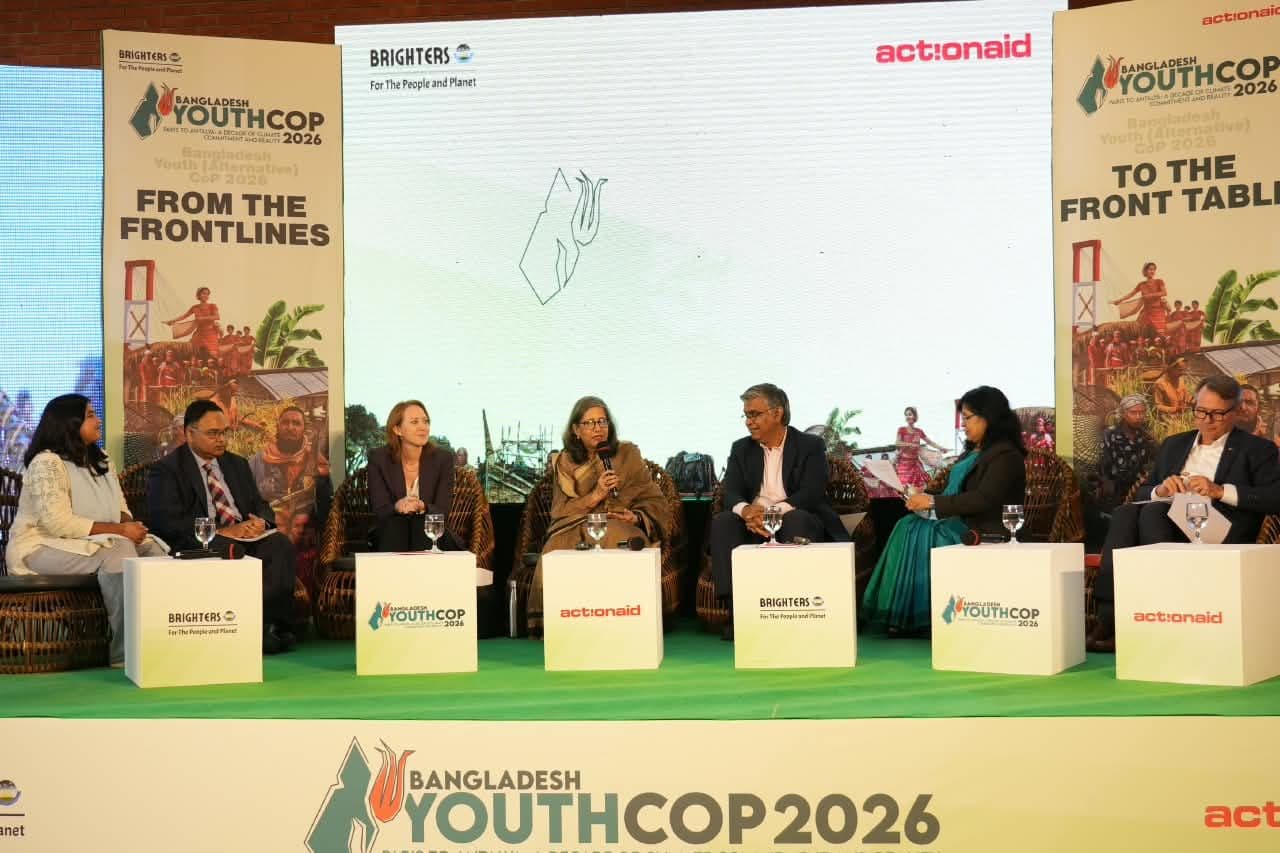
H.E Susan Ryle, Australian High Commissioner to Bangladesh, said people across the Indo-Pacific are already experiencing the impacts of climate change through sea-level rise, extreme weather and displacement. She said,
“Effective climate action requires governments, local communities, young people and affected populations to work together. COP31 must focus on implementation and ensure that the voices of vulnerable people are heard.”
Anders B. Carlsen, Deputy Head of Mission at the Embassy of Denmark in Bangladesh, said,
“Climate change has no borders. Therefore, joint efforts are needed from local communities to international policymakers. It is now essential to connect policymaking with realities on the ground.”
H.E Shiuneen Rasheed, High Commissioner of the Republic of Maldives to Bangladesh,
said, “It is essential for young people to be at the centre of climate action because the decisions taken today will shape their future.”
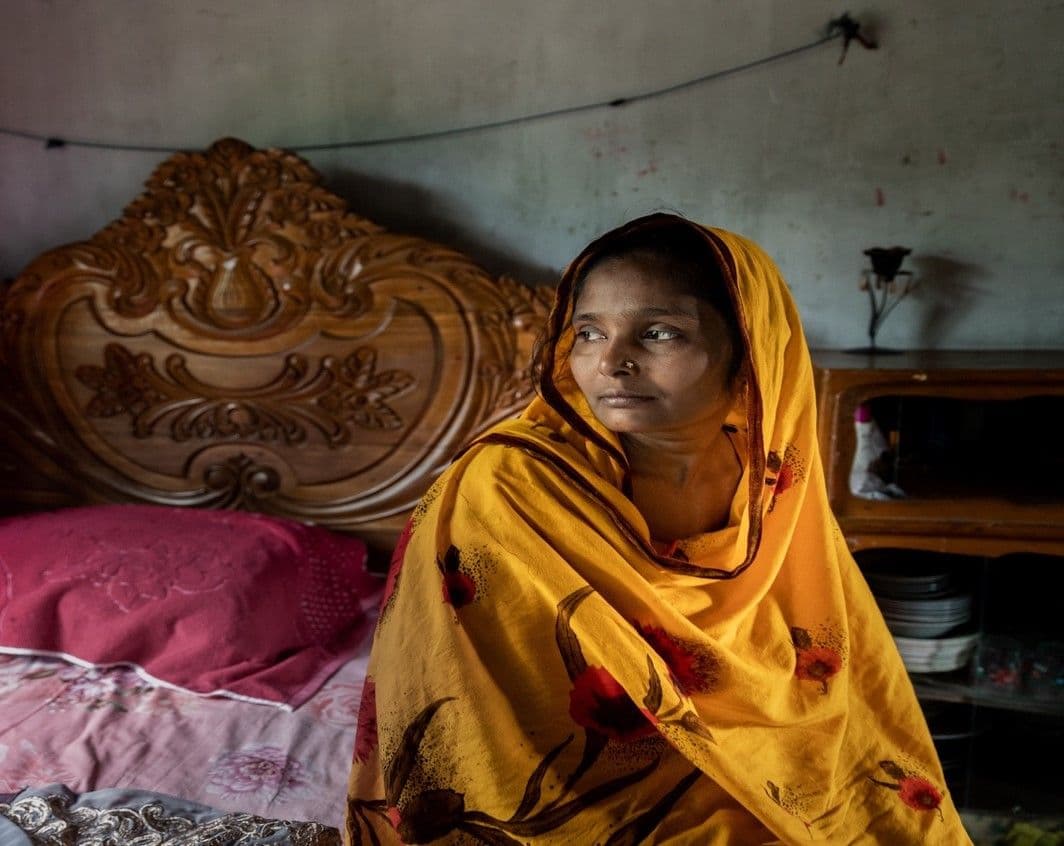
Meanwhile, Nizam Uddin, a young representative from a marginalised community in Hatiya, Noakhali, described the harsh realities faced by people living on the islands.
He said, “Storms and waterlogging cut us off from the outside world. Transport and healthcare services collapse, putting pregnant women and emergency patients at serious risk. Basic services and local protection must be prioritised in climate adaptation policies.”
The session, moderated by Farah Kabir, Country Director of ActionAid Bangladesh, emphasised the need to bring the demands of marginalised communities in Bangladesh to the global stage.
At the closing session, Fariha Aumi, Chairperson of Brighters, presented the Bangladesh Youth Position 2026 on behalf of young people. The document was formally received by the chief guest, Dr Fahmida Khanam, Acting Secretary of the Ministry of Environment, Forest and Climate Change.
The session was chaired by Ibrahim Khalil Al-Zayad, Chairperson of ActionAid International Bangladesh Society. He aspired that the recommendations adopted through the process would be presented as part of Bangladesh’s official policy positions at COP31. The conference formally concluded with a cultural presentation titled “Youth Aspirations”.
The four-day programme began on 19 September with a march from Police Plaza to Global Platform Bangladesh. The programme continued with thematic discussions on 20 September and an international online dialogue (webinar) on 21 September, followed by the main and closing conference on Tuesday.