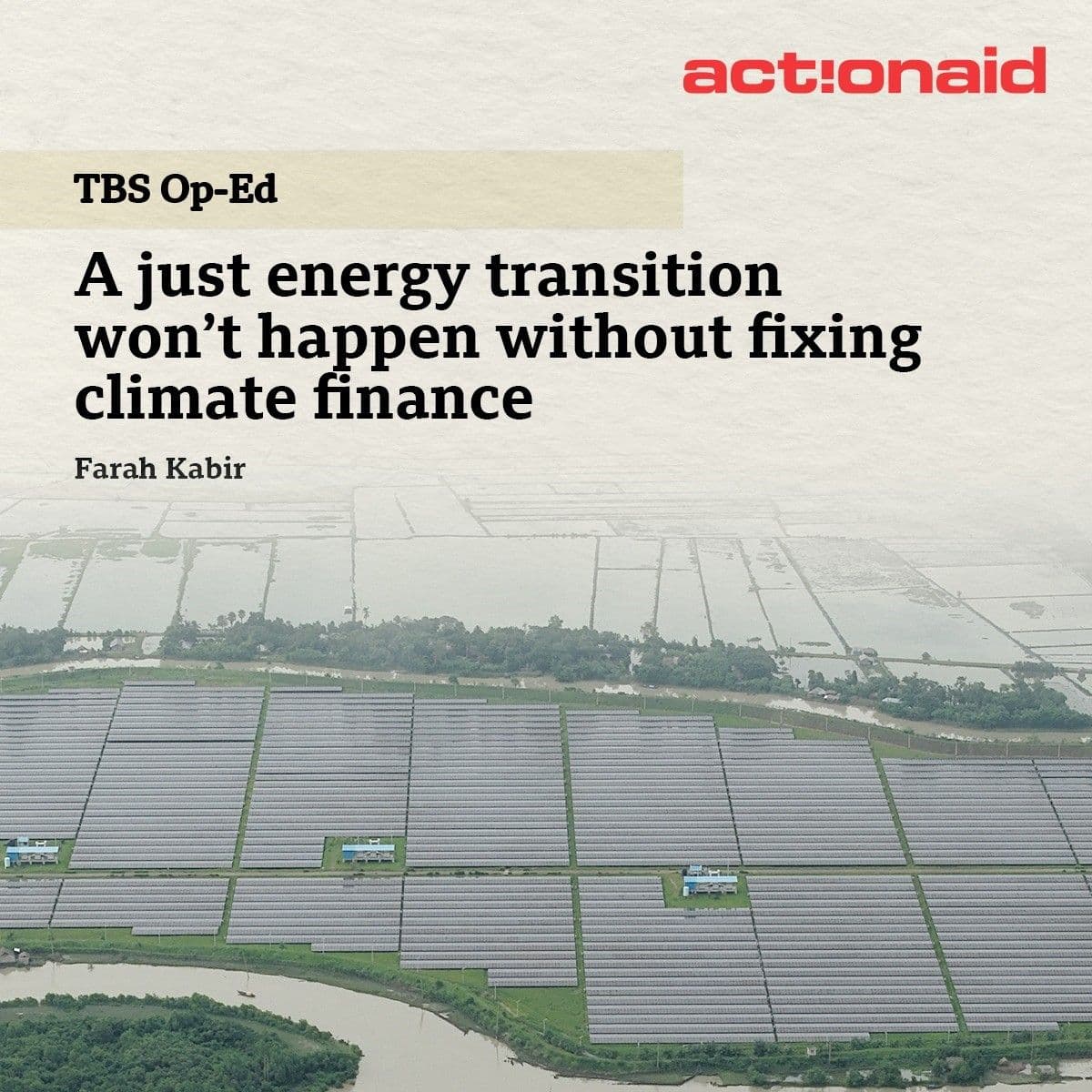
In Dhaka, BIMSTEC is focusing on bringing neighbouring countries closer together by improving trade, technology, and mutual security. Meanwhile, in Delhi, BRICS stepped up as a powerful voice for the developing world. Both reflect a legitimate ambition for stronger economies, greater strategic autonomy, and a more balanced global order. But they raise a question conventional regional diplomacy rarely asks: why is the architecture of regionalism still largely designed from the perspective of states, markets, and security, and only subsequently asks how people fit into it? This is where a feminist lens becomes useful. What does regionalism look like when viewed through the experiences of women, youth, and diverse communities rather than from the podiums of states? If regional integration is only about moving goods, capital, energy, technology, and people across borders, what happens to the unpaid care, informal labour, insecurity, and unequal power that make that movement possible? Who decides what gets prioritised? These are questions about the architecture itself. Read the full OP-ED
____________________________________________________ Farah Kabir
Country Director, ActionAid Bangladesh.