As COP31 enters its second week in Antalya, Türkiye, the test for gender justice is whether negotiators can turn the Belém Gender Action Plan into funded measures that give women, young people and frontline communities a say in how climate finance is spent.
Only one G7 leader attended the Antalya Leaders' Summit. Against a backdrop of ongoing wars and global tensions, the low turnout underscored the gap between the urgency of the climate crisis and the political commitment needed to address it.
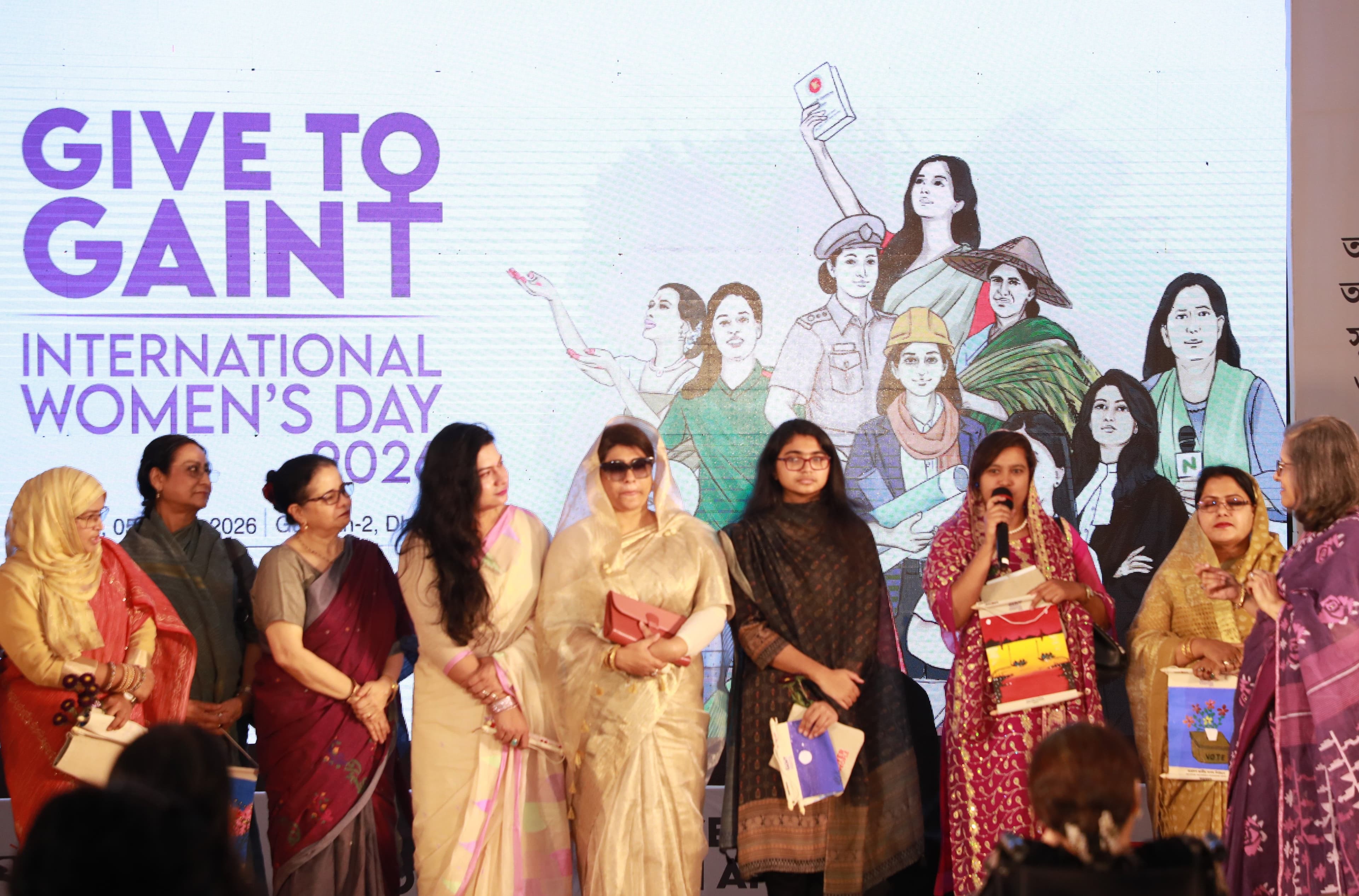
Countries adopted the Belém Gender Action Plan at COP30, setting out a framework for 2026–2034. Its impact will depend on where the money goes, who makes decisions and whose priorities guide implementation. Women, young people and communities on the front line must help shape those decisions.
The gap is particularly visible in climate finance. When water supplies become unreliable, food insecurity worsens, livelihoods are disrupted or health services fall short, women often spend more time collecting water, caring for family members and keeping households afloat. This unpaid work subsidises adaptation, yet its economic value rarely figures in climate investment decisions.
COP31's discussions on finance and trade must therefore ask whose resilience is being financed and on what terms. Climate finance must be adequate, predictable and accessible, with grants for countries that can ill afford more debt. The terms matter as much as the amount. Loans can deepen the debt burden of countries that contributed little to the climate crisis.
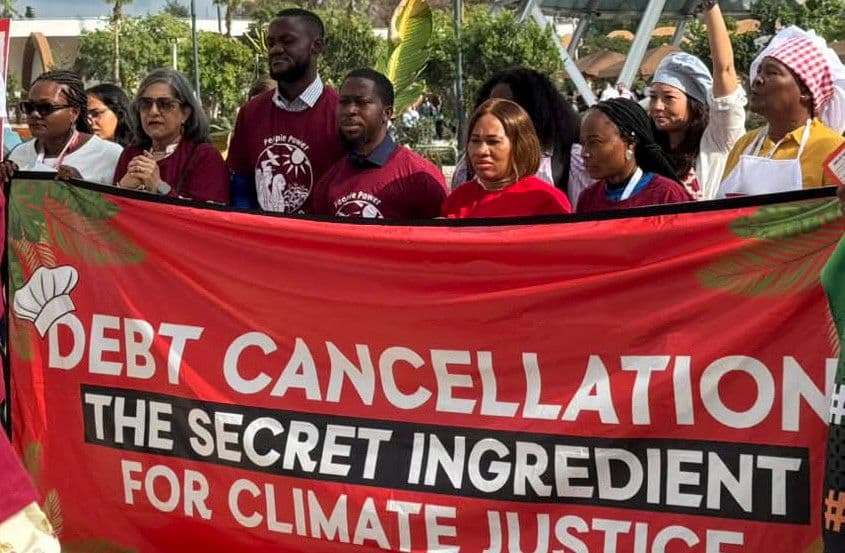
In 2024, the least developed countries spent 22.3% of government revenue servicing external public and publicly guaranteed debt, according to the UN Conference on Trade and Development. Every dollar spent servicing debt leaves less for health, social protection, adaptation and other essential public services. When those services are cut, women are often expected to fill the gaps through more unpaid care and precarious work. Debt relief is therefore part of the climate finance discussion.
At COP31, Bangladesh's Prime Minister Tarique Rahman called for allocating at least half of international climate finance to adaptation, providing debt relief and introducing climate-resilient debt clauses. He also called for fair technology transfer, faster deployment of renewable energy and support for a just transition. As negotiators work to put the Belém–Antalya mechanism for a just transition into practice, they should also consider how finance and trade rules affect the countries, workers and communities making that transition.
Loss and damage deserves the same attention. The Warsaw International Mechanism is on the formal COP31 agenda. Negotiators must give it political priority and ensure that affected communities can access adequate funding. For those facing irreversible losses, support must help people recover, protect livelihoods and cultural identity, and address displacement, including through planned relocation where necessary. That support should come without adding to the debts of people and countries already bearing the costs.
The Belém Gender Action Plan can bring these issues together. Its implementation requires action across government. Gender considerations should inform national adaptation plans, the implementation of countries' climate pledges, public investment, the energy transition and social protection. At COP31, they should also shape decisions on finance, adaptation, technology and a just transition across the negotiations.
In the sessions I moderated at COP31, government representatives from Sri Lanka and Somalia described how extreme heat, water stress, lost livelihoods and displacement deepen existing inequalities in their countries. Despite their different circumstances, the discussions pointed to a shared need. Communities facing repeated climate shocks need public institutions that can deliver services, finance they can access and decision-makers they can hold to account.
Governments and negotiators can take four practical steps. First, turn the plan into funded national measures and assign clear responsibilities to the ministries overseeing finance, planning, energy, agriculture, labour and social protection. Second, assess climate investments by looking at emissions reductions and infrastructure delivered alongside improvements in women's access to resources, decent work, safety and decision-making. Third, simplify applications and give women-led and local organisations direct access to funding. Fourth, publish climate spending figures and track who receives the money and what it achieves. National assessments under the plan should guide funding decisions.
A just transition should be judged by whether it creates decent work and economic opportunities for women and young people, protects workers and communities, and expands access to affordable, reliable energy. Investment in care services, health, water and social protection is part of building climate resilience.
COP31 has put implementation at the centre of its agenda. Fulfilling existing commitments will require changes in how climate finance is raised, allocated and governed. The credibility of the climate process will depend on whether the people bearing the costs of climate change receive funding and protection, and gain a say in the decisions that affect them.
Farah Kabir is the Country Director of ActionAid Bangladesh.
Click here to read the TBS Link