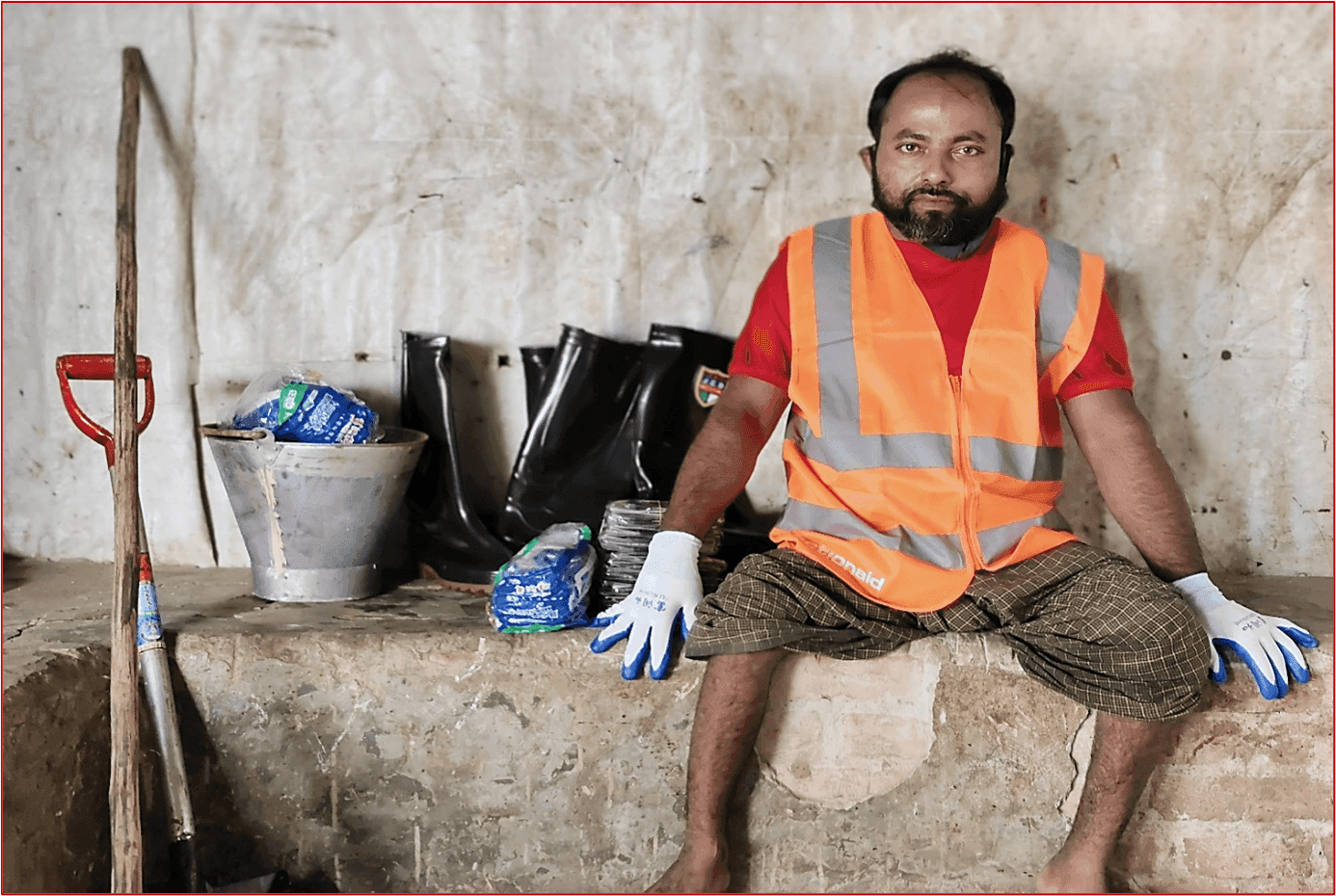
Since the onset of the Rohingya crisis, thousands of displaced families have been living in overcrowded camps in Cox’s Bazar, struggling to meet basic needs. Among them is Arefa Begum, a 25-year-old mother of two, residing in Camp 27. Her family’s situation worsened when her husband, once a day labourer, became permanently disabled after an accident.
With no steady income, Arefa faced severe hardship. She juggled her children’s education, medical expenses, and rent, but survival became increasingly difficult. “I could not pay rent or buy food. Every day felt like a battle,” she recalls. As the sole caregiver and unskilled worker, she had no means to earn, leaving her family vulnerable to food insecurity and debt.
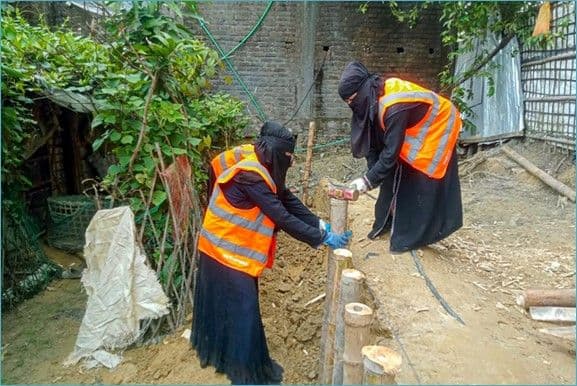
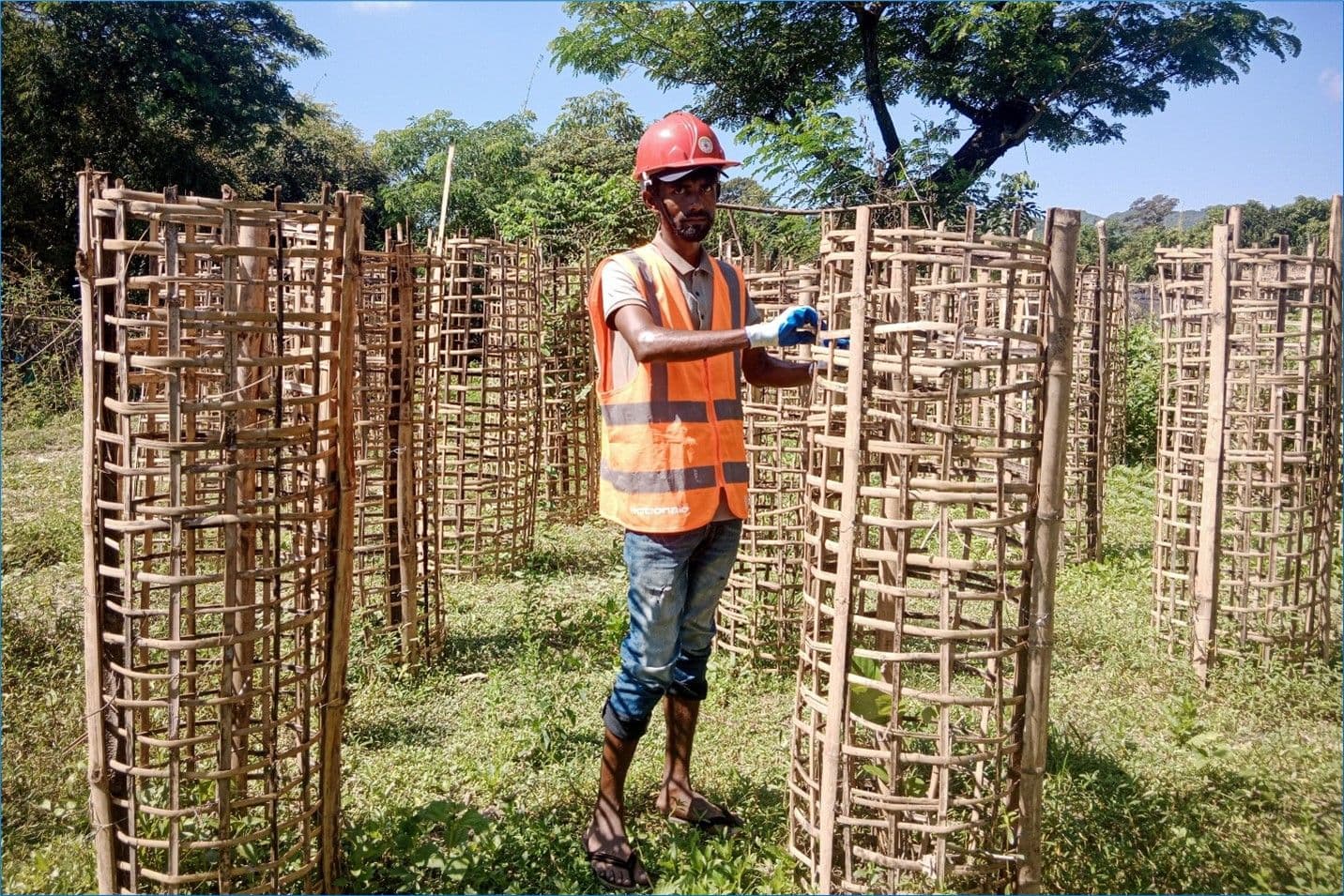
The situation changed when ActionAid Bangladesh, as a cooperating partner of the World Food Programme (WFP), introduced the Natural Resource Management (NRM) project in the Rohingya camps. The initiative aimed to restore the environment while creating livelihood opportunities for vulnerable groups, especially women. Through cash-for-work activities and hands-on training in nature-based solutions and environmental management, participants could earn and learn simultaneously.
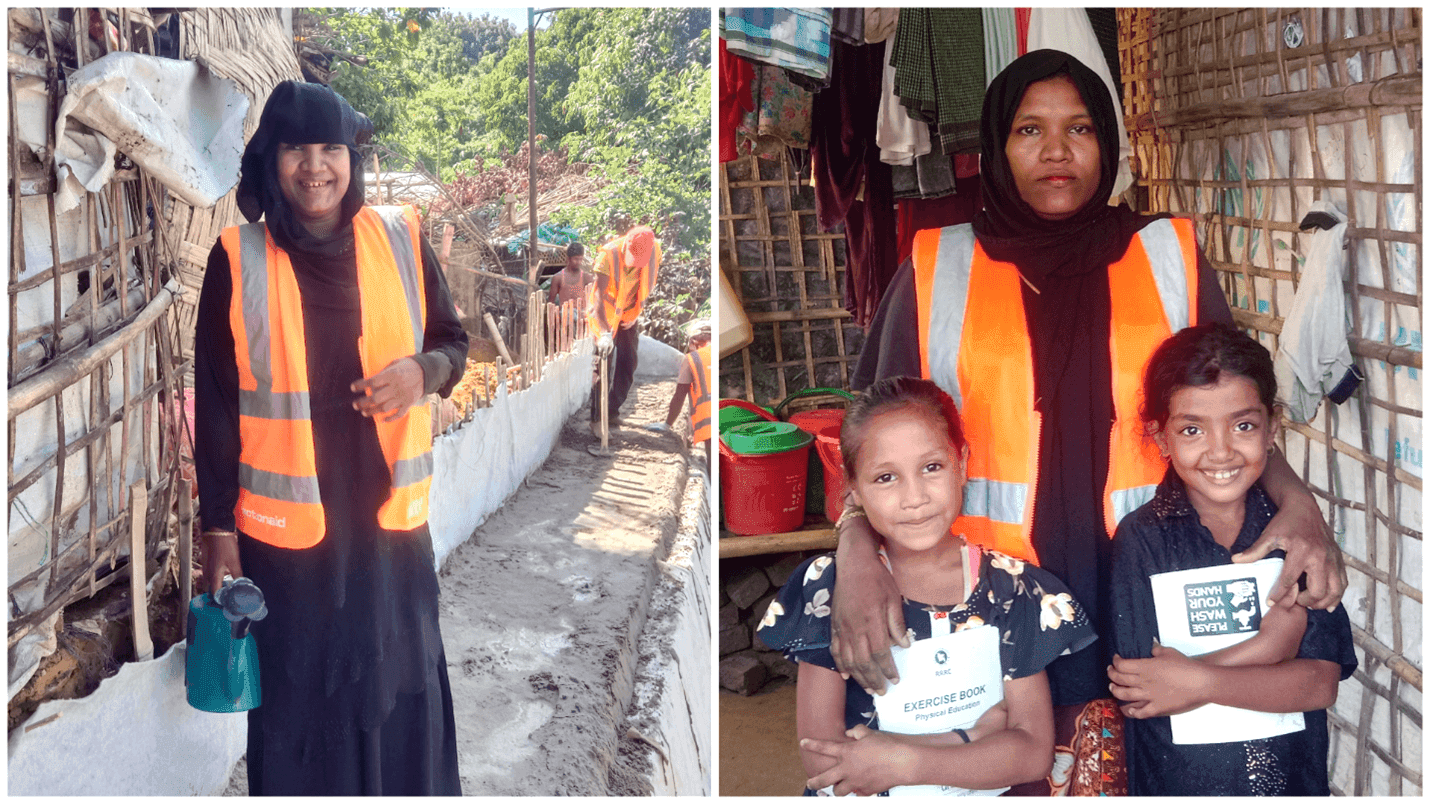
Arefa was selected as an unskilled participant and placed in supervised teams. Within three months, she gained practical skills and began earning a regular income. This steady income allowed her to buy medication, pay rent, afford her children’s schooling, and cover household essentials without hardship. She is confident now.
“My work has given me dignity and hope. I no longer struggle to provide for my family,” she says with pride.
Today, Arefa is recognised in her community as a resilient mother who overcame adversity. Her contribution not only supports her family but also helps maintain environmental balance in the camp. Her journey from dependency to self-reliance demonstrates the transformative power of livelihood interventions.
Arefa’s story reflects the success of the NRM Project in empowering women and promoting sustainable development. By combining environmental restoration with income generation, the project has broken cycles of poverty and despair, giving displaced families a chance to rebuild their lives with dignity and confidence.